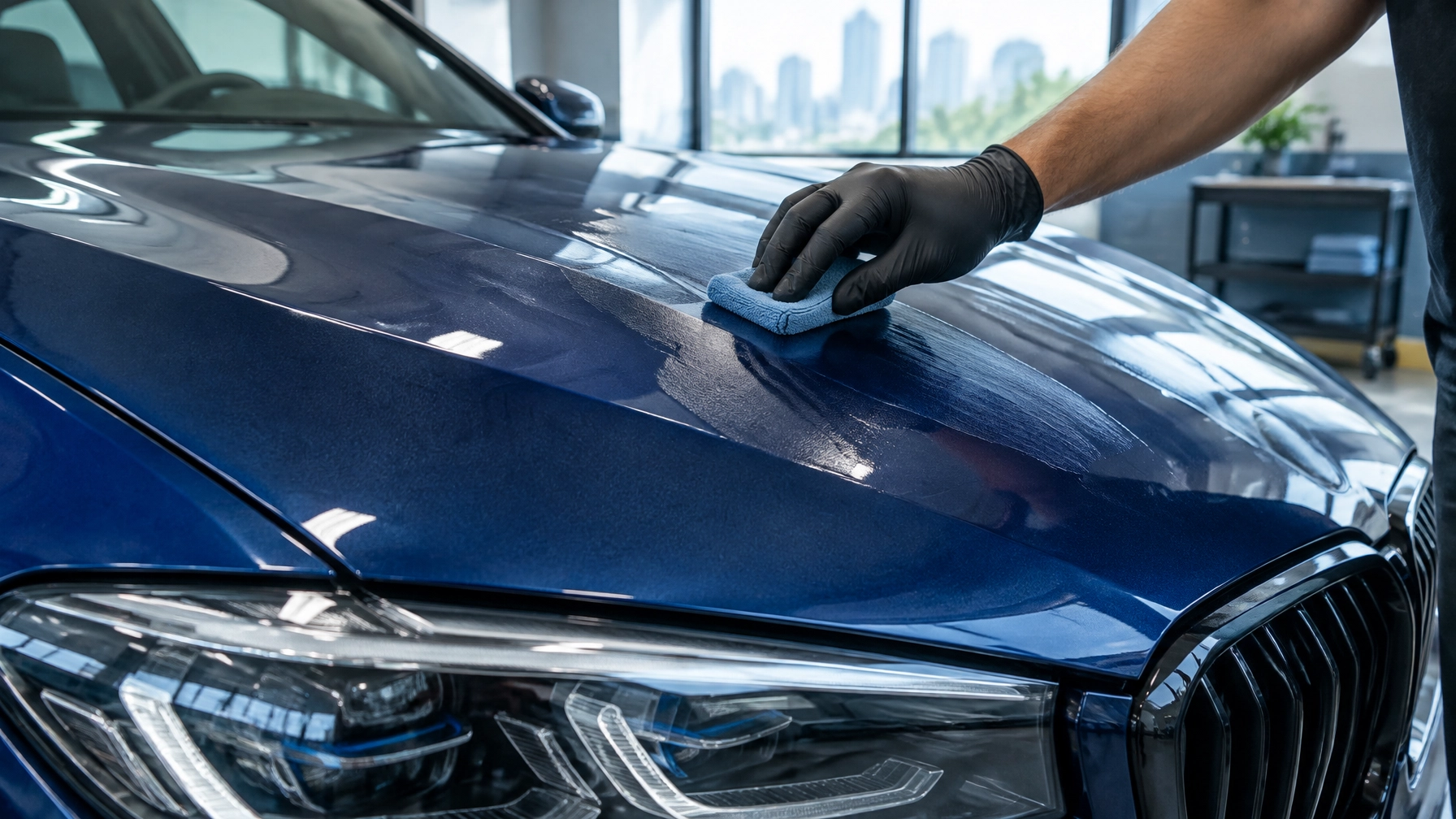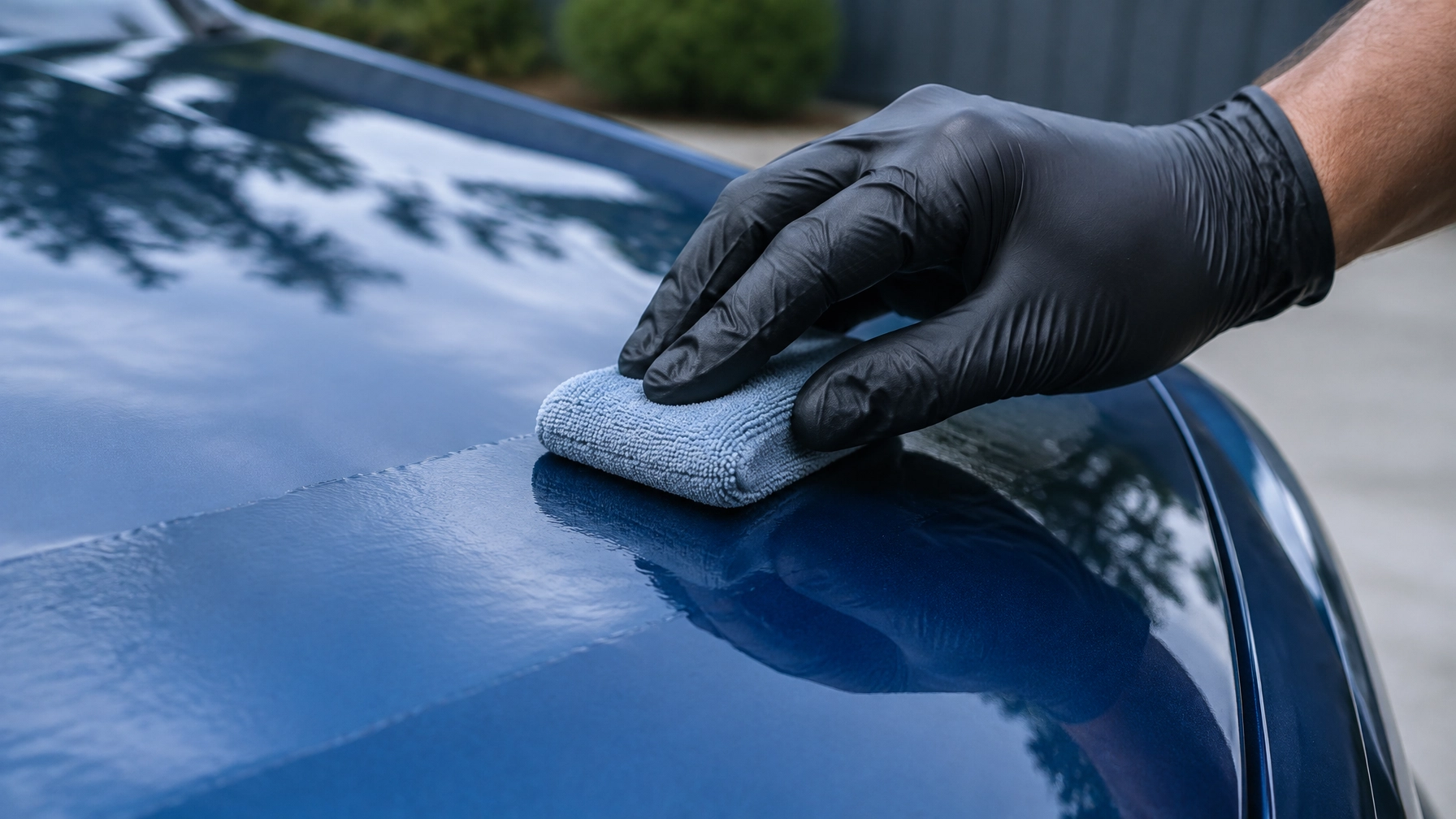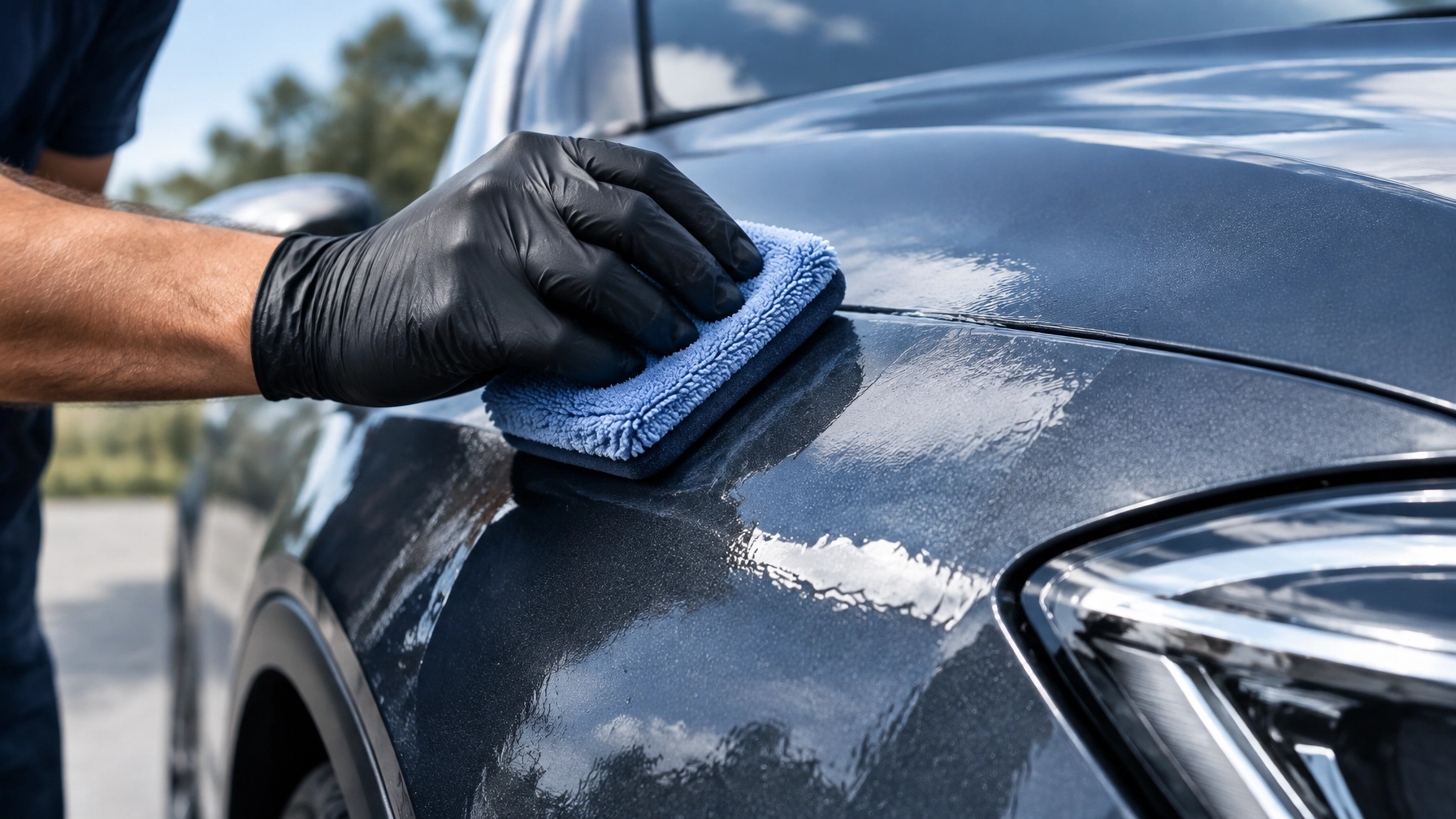
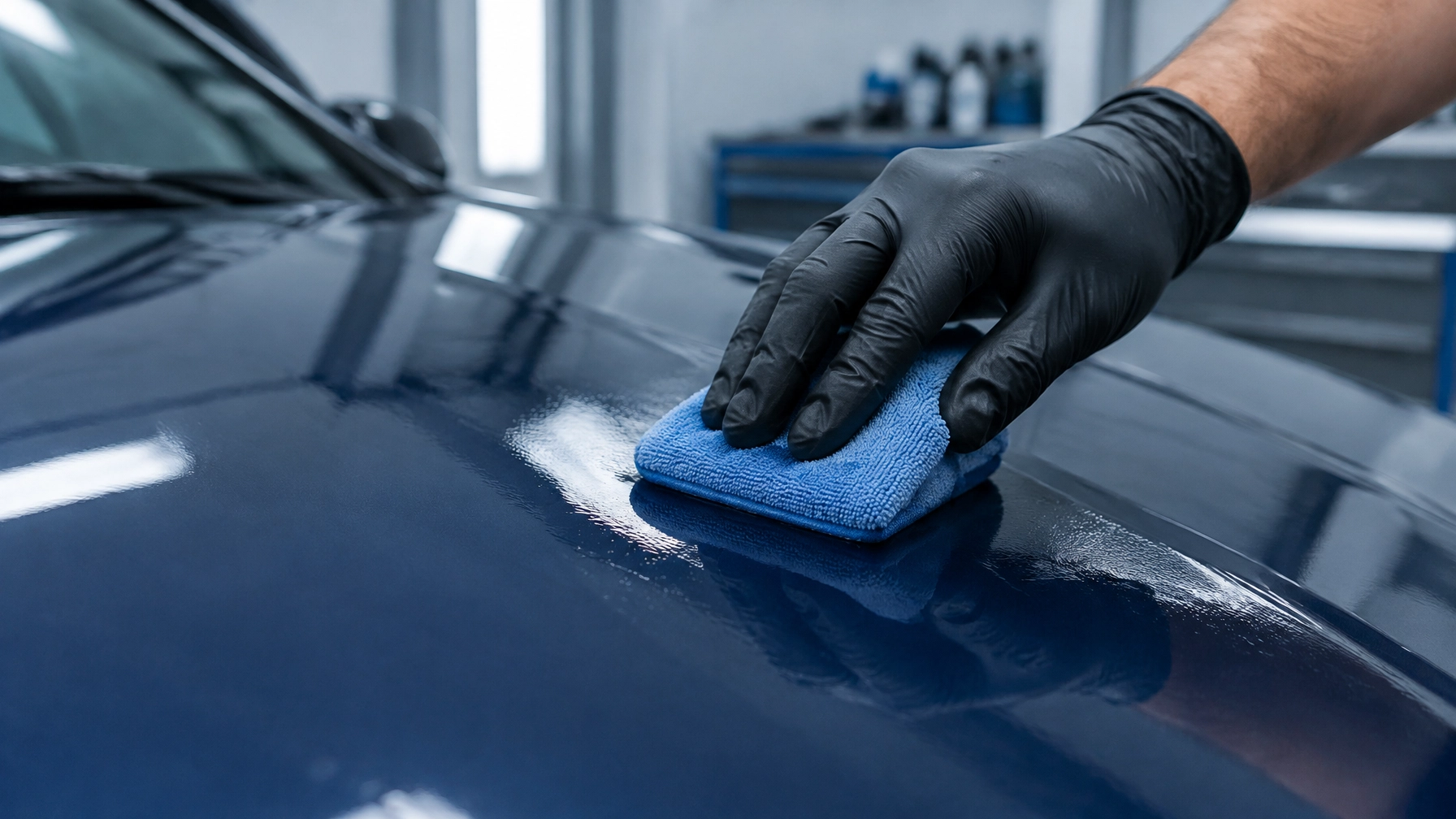
Houston drivers preparing for a year-end trade-in can improve their vehicle’s presentation with professional paint correction and focused paint protection. Before visible wear becomes a reason for an appraisal deduction.
What does paint condition mean to a Houston trade-in appraisal?
Paint condition helps shape the overall impression of a vehicle, but it does not guarantee a higher offer. Dealers assess several factors, including mileage, age, equipment, local demand, and the vehicle’s overall condition. Kelley Blue Book explains that trade-in values reflect those details and are generally lower than private-party values because a dealer must prepare the vehicle for resale.
Swirl marks, dullness, oxidation, water spots, and light scratches can make a well-maintained car look neglected. An appraiser may account for visible defects when estimating the work needed before resale. Improving the paint can support a stronger first impression and may help reduce concerns about cosmetic reconditioning, but no detailing service guarantees a specific increase in your offer.
That distinction matters. A polished finish can make your car look cared for; it cannot change its mileage, service history, or mechanical condition.

How do Houston roads and weather wear down vehicle paint?
Houston’s heat, strong sun, humidity, frequent rain, and everyday road exposure all challenge exterior finishes. Commuting on I-45, Beltway 8, or routes near port and industrial traffic can expose paint to grit, brake dust, and other airborne contaminants. Bird droppings, bug residue, and mineral deposits from rain or sprinklers can also mark the clear coat when left in place.
These contaminants do not all cause the same type of damage. Some bond to the surface; others can stain or etch if they sit in the sun. Repeated washing with abrasive materials can add fine swirl marks, which scatter reflected light and make paint appear hazy.
Without regular, careful care, those small defects build up over time. A year-end inspection gives you the chance to address what polishing can improve, and identify what needs a different repair before you request trade-in offers.
Which paint issues can paint correction improve before trade-in?
Professional paint correction can reduce or remove many light-to-moderate surface defects, including wash swirls, light scratches, oxidation, and some water spotting. The process uses measured polishing to refine the clear coat and improve its clarity. The result can be a smoother-looking finish with deeper color and more even reflections.
Correction is not a cover-up, and it cannot safely remove every defect. A scratch that has penetrated through the clear coat, peeling clear coat, significant chips, dents, hail damage, or mismatched repainting may require a separate repair, or remain visible. A surface evaluation helps determine what is realistic before work begins.
For a trade-in, the sensible goal is not necessarily to pursue the most extensive correction available. It is to match the process to the vehicle’s condition, timeline, and likely appraisal impact. Learn more about paint correction in Houston and how an assessment can help identify the right level of polishing.

How should you decide whether paint correction is worth the cost?
Start with the numbers, not assumptions. Get one or more preliminary trade-in offers, then ask how the vehicle’s visible paint condition affects the appraisal. Compare any quoted correction cost with the actual condition deduction, the expected improvement in appearance, and how long you plan to keep the car.
A targeted correction may make sense when the paint has noticeable swirls or haze and an evaluation indicates those defects can be improved efficiently. A full multi-stage correction may be harder to justify if you plan to trade the vehicle shortly and the paint is already in good condition. Dealers appraise the vehicle as a whole; a correction invoice does not automatically translate into an equal increase in the offer.
Consider your next step, too. If you are selling privately, a cleaner, glossier finish can help photos and in-person viewings make a better impression. For a dealer trade-in, be especially careful about spending more than the likely reconditioning concern warrants.
Which protection is sensible if you are trading soon, or keeping the car?
If you plan to keep driving the vehicle after year-end, Liquid Paint Protection Film (LPPF) is the first option to consider for added protection against impact-related paint wear. It is applied by hand, panel by panel, and is designed to absorb some impact damage from road debris. A blemish from a rock impact can be re-leveled to restore a smoother appearance.
Automotive ceramic coating is a complementary option. It bonds to prepared paint and adds a hydrophobic surface that helps water and grime release more readily during washing. It can help preserve a clean, glossy appearance, but it is not a rock-chip barrier. Neither LPPF nor ceramic coating should be purchased on the assumption that its price will be added directly to a trade-in appraisal.
For a near-term trade, prioritize visible correction and sensible upkeep over buying protection solely to raise the offer. If you will keep the vehicle for years, LPPF and ceramic coating can be considered for ongoing protection and easier maintenance. Read about automotive ceramic coating in Houston to understand the preparation and protection process.

What should Houston drivers do before requesting year-end offers?
A short preparation plan keeps the focus on improvements that matter:
- Wash and inspect the exterior. Check the paint in bright, even light for swirls, water spots, oxidation, chips, and deeper scratches.
- Get an informed correction assessment. Ask which defects can be improved through polishing and which need separate repair.
- Compare the cost with the likely benefit. Request preliminary trade-in offers and ask whether visible paint wear affects the appraisal.
- Keep useful records. Have maintenance information and service documentation ready. Share protection records if relevant, while recognizing the vehicle’s actual condition remains central.
- Avoid rushed cosmetic work. A rushed process can leave haze or uneven results. Owner-operated, one-car-at-a-time attention gives paint evaluation and polishing the time they require.
This approach works whether you are trading from Houston, Pearland, League City, Pasadena, Deer Park, South Houston, Galveston, Clear Lake, Webster, Friendswood, or Alvin. Houston’s weather and traffic patterns make routine exterior care relevant across the region, but the right investment depends on each vehicle’s finish and trade-in timeline.
Can an evaluation help you choose the right next step?
Yes. A professional evaluation can clarify whether paint correction is likely to make a visible difference, which defects need other repairs, and whether protection makes sense for your ownership plans. Ceramic Enthusiasts is owner-operated, brings over 10 years of experience, and gives each vehicle meticulous, one-car-at-a-time attention.
Call 281-626-9384 to discuss your year-end trade-in plans and schedule a paint assessment. The goal is to determine the right fit, not to spend on work your vehicle does not need.