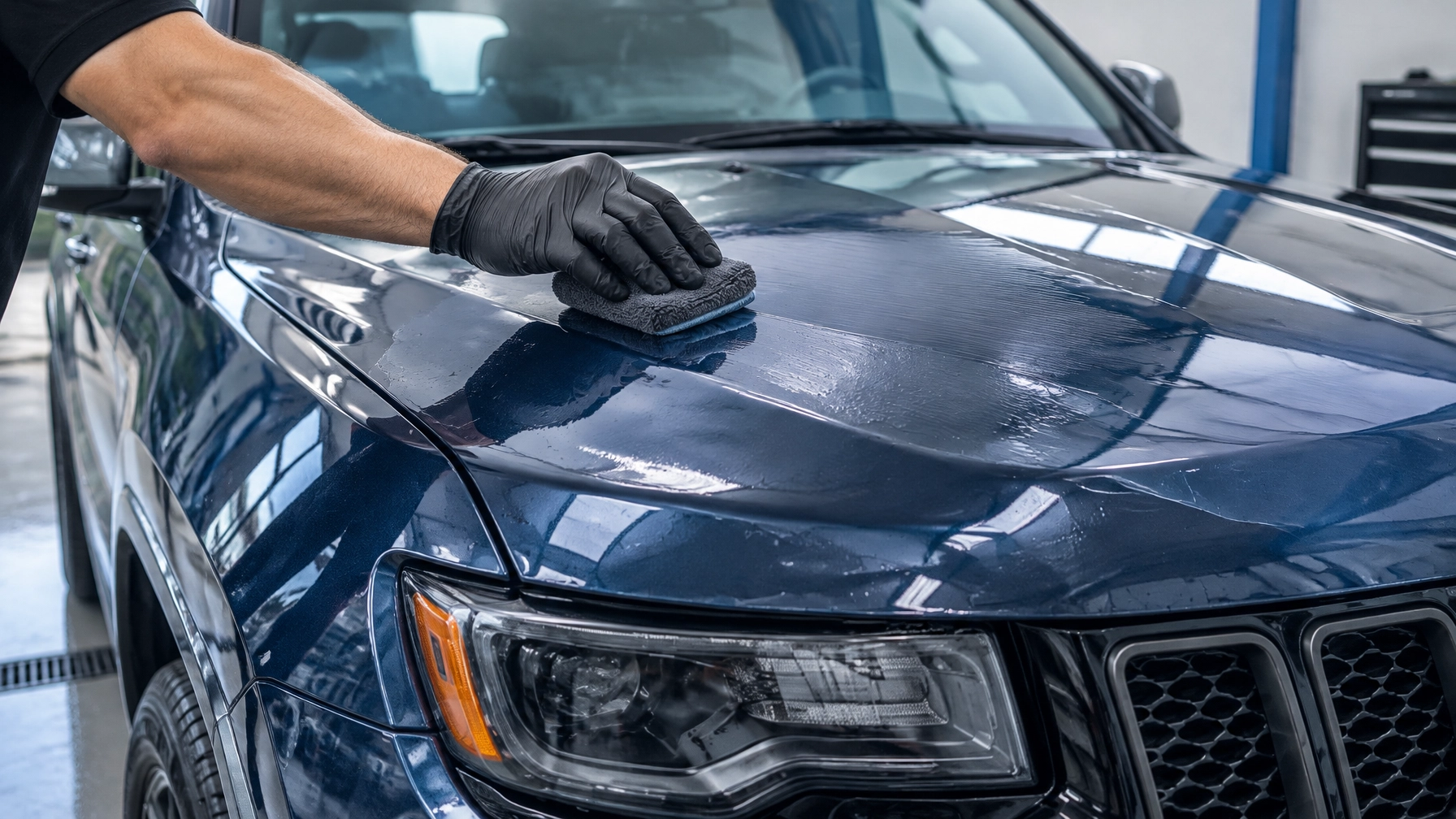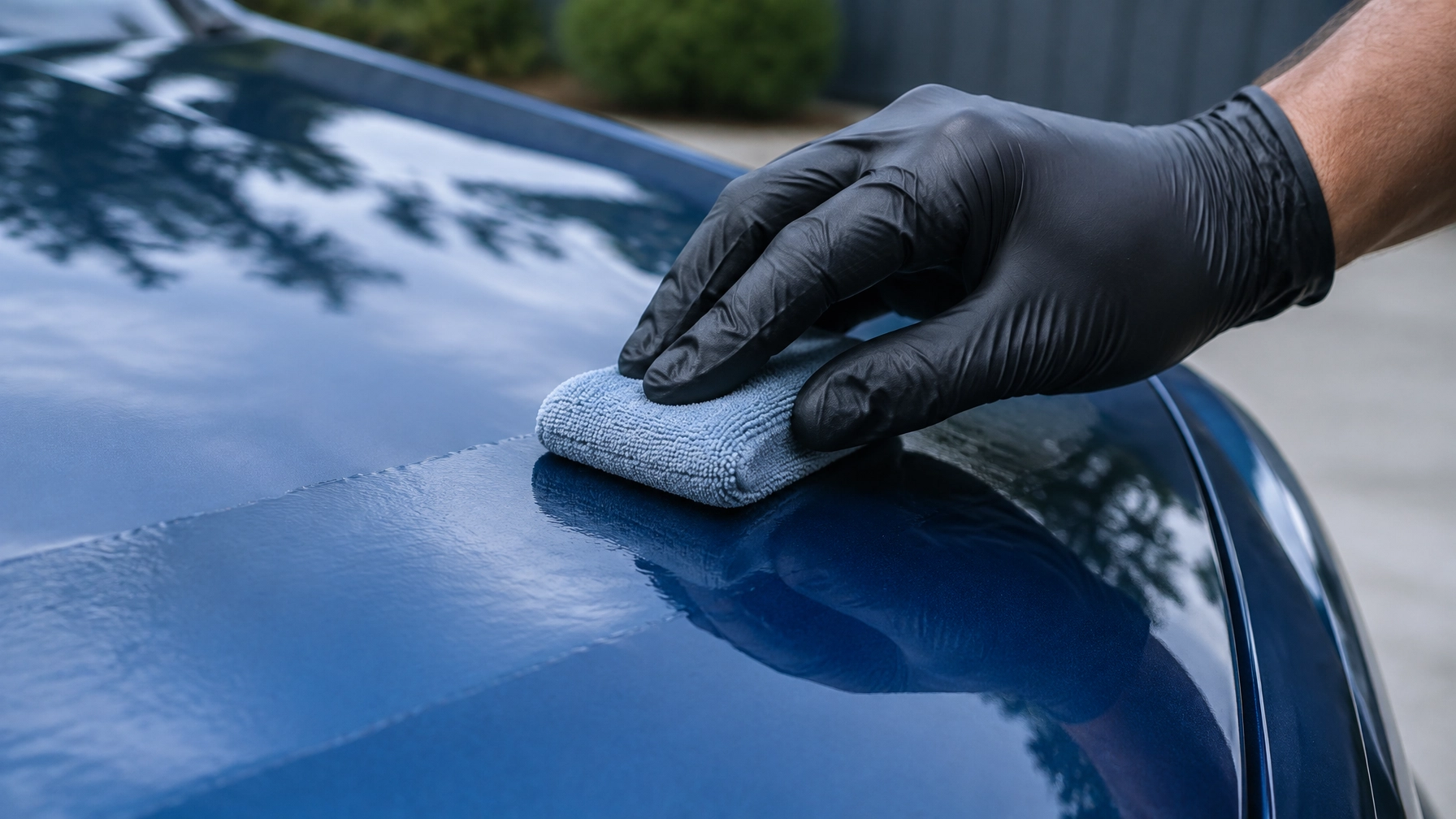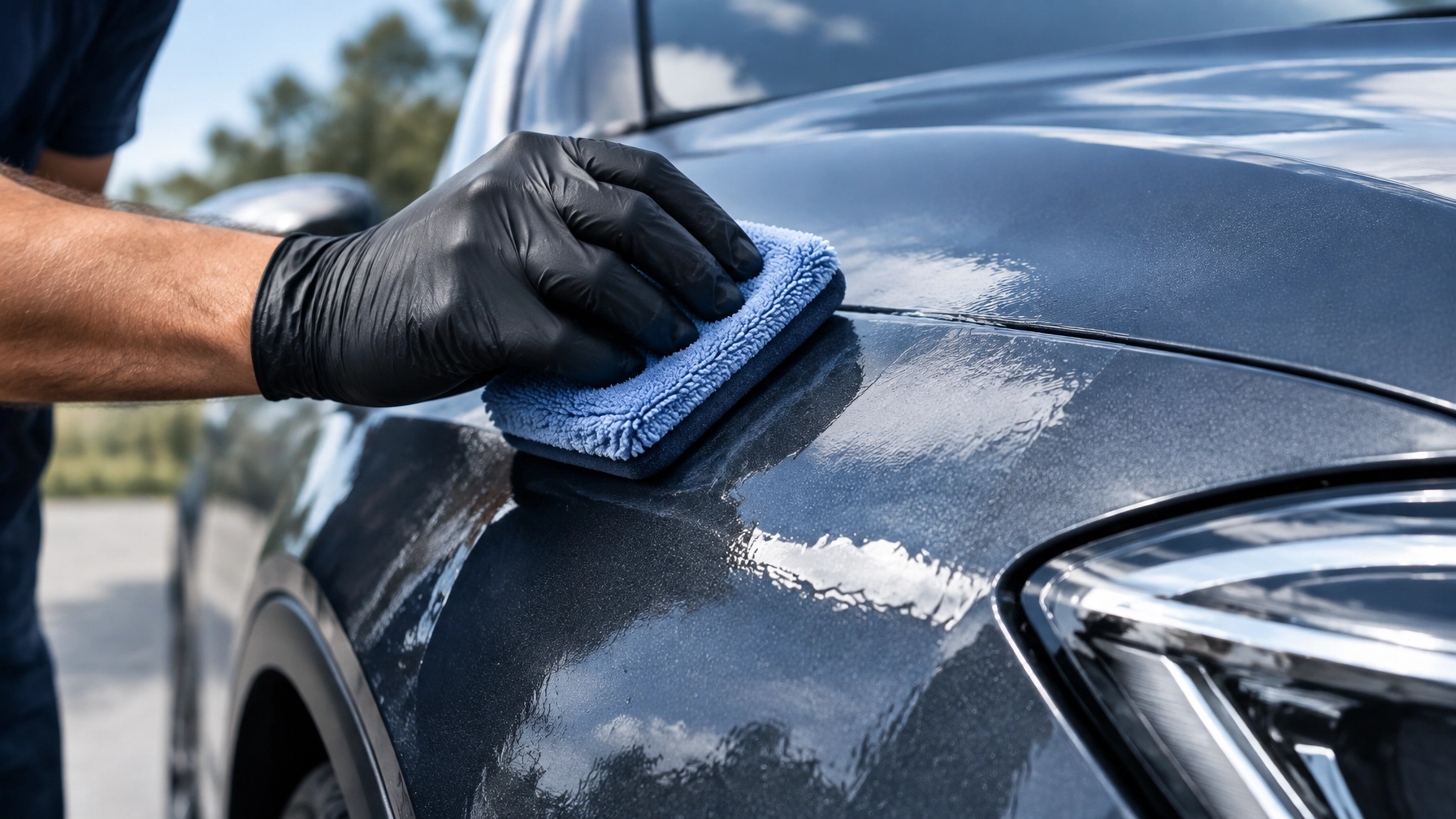
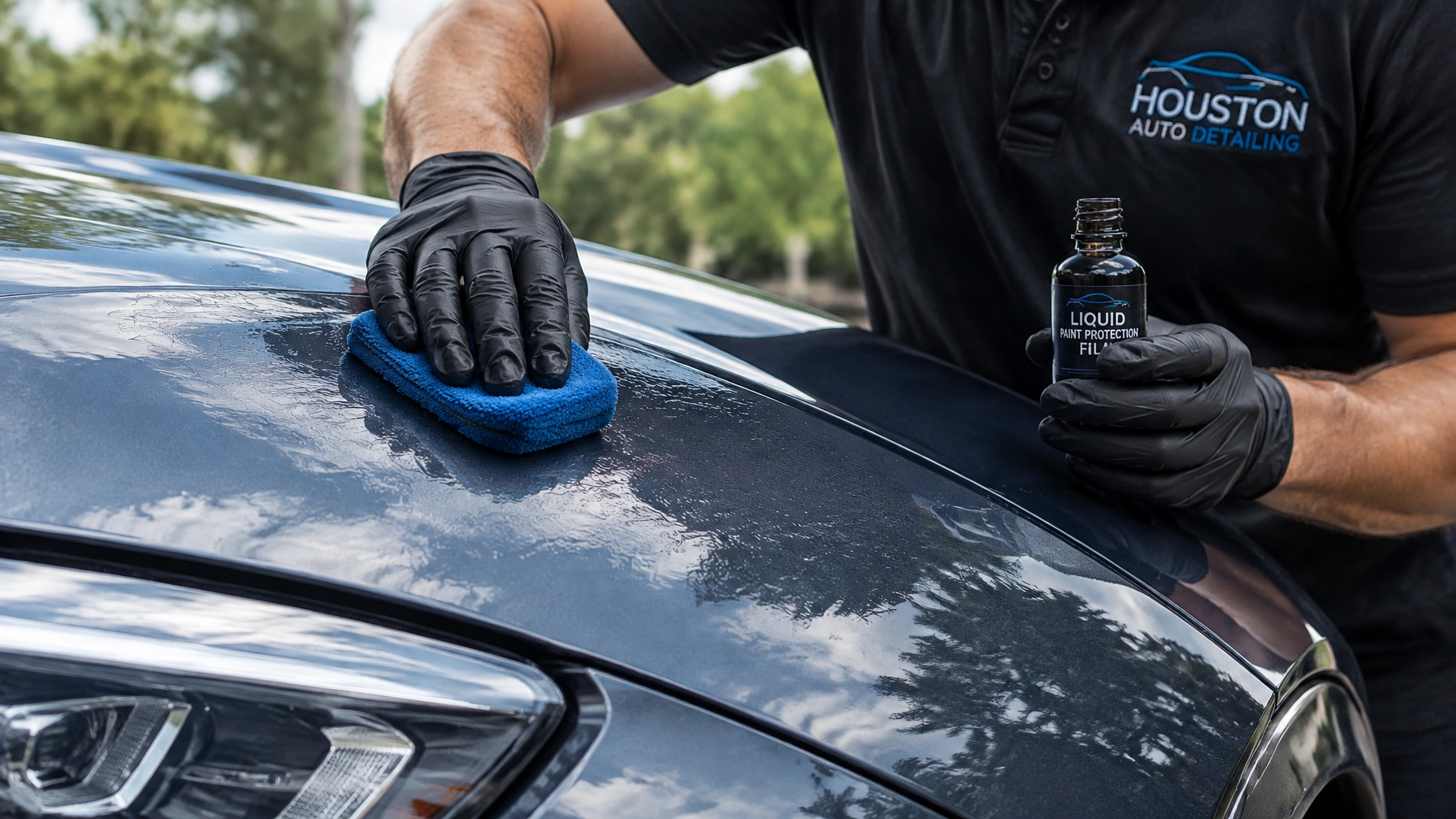
Houston summers punish exterior paint with 95-degree panels, intense UV exposure, humidity, and sudden thunderstorms. That combination accelerates oxidation, fading, water spotting, and surface contamination while summer road debris increases the risk of rock chips across freeway corridors in Houston, Pearland, Pasadena, and League City.
Hand-applied Liquid Paint Protection Film (LPPF) is the primary recommendation for impact and environmental protection. It creates a durable barrier that stands up to Houston heat and humidity, and if a rock impact leaves a blemish, the surface can be re-leveled to restore a smooth finish. Pairing LPPF with automotive ceramic coating adds hydrophobic performance, faster wash maintenance, and better resistance to water spotting during Gulf Coast storm season.
At Ceramic Enthusiasts, every protection package is owner-operated and performed one car at a time. With over 10 years of experience serving Houston, Pearland, League City, Pasadena, Deer Park, South Houston, Galveston, Clear Lake, Webster, Friendswood, and Alvin, the focus stays on meticulous exterior protection built for local weather.
What Does Houston Summer Heat and UV Do to Unprotected Exterior Paint?
Houston’s UV index and surface temperatures break down unprotected paint fast. When exterior panels sit in direct sun at 95 degrees or more, ultraviolet radiation attacks the clear coat at a molecular level, accelerating oxidation and fading while heat bakes contaminants into the surface.
Without a dedicated protection layer, paint loses depth, gloss, and clarity. Water left behind after pop-up thunderstorms can etch into hot panels and create stubborn spotting, especially in humid conditions where evaporation leaves mineral deposits behind. On daily drivers moving through refinery corridors, shipping routes, and stop-and-go traffic, airborne fallout and grit only add to the damage. Hand-applied LPPF blocks that abuse before it reaches the paint. That protection matters immediately.
How Does Humidity and Rainfall Make Exterior Paint Harder to Protect in Houston?
Humidity keeps contamination active on the surface longer. When moisture hangs in the air and summer thunderstorms roll through Houston, Pearland, and Friendswood, water does not just rinse off cleanly. It mixes with airborne fallout, road film, and minerals, then dries on hot paint and leaves behind spotting and staining.

That is where LPPF and ceramic coating work together. LPPF takes the primary role by shielding the painted surface from environmental abuse and impact. Ceramic coating complements it by increasing hydrophobic behavior and lowering surface tension so water, grime, and seasonal fallout release faster and safer during maintenance washes. The result is less sticking, less spotting, and easier upkeep after the first rainstorm.
What Makes Liquid Paint Protection Film the Best First Step for Summer Paint Protection?
LPPF is the first line of defense because it protects against both impact and environmental stress. Unlike products that only enhance gloss, hand-applied Liquid Paint Protection Film forms a durable exterior barrier that helps absorb the abuse from road debris, bug acids, UV exposure, and contaminated rain common across Houston-area driving.

That matters on I-45, Beltway 8, and daily commuter routes through Pasadena, Deer Park, and South Houston where loose aggregate and construction debris can strike the front end. If a rock impact leaves a blemish, LPPF offers a major advantage: the affected area can be re-leveled to restore a smooth finish. That repairability is a practical benefit for drivers who want long-term protection without accepting every chip as permanent damage.
Ceramic coating remains an excellent complementary layer. It bonds at the surface level to boost gloss, hydrophobic performance, and wash efficiency, making maintenance faster and safer. LPPF handles the heavy protection role first. Ceramic coating enhances the finish and the upkeep.
Can Exterior Paint Protection Help Preserve Resale Value in Houston?
Yes. Exterior condition shapes resale value immediately. Faded paint, etched water spots, and visible rock chips signal neglect to buyers, even when the vehicle is mechanically sound. Houston weather speeds up those defects, especially on dark-colored paint that shows oxidation and spotting sooner.
Proper protection starts with surface preparation. Decontamination, clay treatment when needed, and polishing create the clean, level foundation required before any long-term protection is applied. From there, hand-applied LPPF helps preserve the finish against impact and environmental wear, while ceramic coating maintains gloss and makes ongoing care easier. That combination helps the vehicle keep a sharper, mirror-like finish through years of heat, humidity, and storms.
How Does an Owner-Operated Process Improve Exterior Protection Results?
An owner-operated process improves consistency from prep to final wipe-down. Exterior protection only performs as well as the installation, and rushed work leaves high spots, missed contamination, and uneven coverage behind. That is why Ceramic Enthusiasts focuses on one car at a time.
With over a decade of experience, the process stays deliberate. Paint is properly assessed, corrected when needed, and then protected with hand-applied LPPF as the priority service. Ceramic coating can be added as the complementary layer for hydrophobic performance and easier maintenance. Whether you are searching for paint protection near me in Clear Lake, Webster, or Alvin, meticulous installation delivers better durability in real Houston conditions.
How Do You Maintain Protected Paint Through Houston Summer Weather?
Maintenance gets easier once the exterior is properly protected. Because ceramic coating adds hydrophobic behavior over the protected surface, water sheds faster, wash mitt contact feels slicker, and contaminants release with less effort. That reduces the chance of grinding grime back into the paint during routine washing.
We recommend safe hand washing, prompt removal of bug splatter and mineral-heavy rain residue, and periodic inspections after heavy freeway driving. If a rock impact leaves a blemish in the LPPF, re-leveling can restore a smooth finish without treating the damage as the end of the road. That is a real advantage for Houston commuters dealing with construction zones and summer debris.

Protect Your Paint Before Summer Damage Builds
Do not wait until oxidation, fading, water spotting, and rock chips are already visible. Whether you drive daily through Houston, Pearland, League City, Pasadena, Deer Park, South Houston, Galveston, Clear Lake, Webster, Friendswood, or Alvin, your exterior paint needs protection built for local heat, humidity, UV, and storm cycles.
Connect with Ceramic Enthusiasts to schedule a consultation for hand-applied Liquid Paint Protection Film (LPPF) and ask whether adding automotive ceramic coating is the right fit for your maintenance goals. Owner-operated care, one car at a time, delivers the kind of meticulous attention Houston paint protection requires.
Call 281-626-9384 to schedule your consultation.