Why does Houston’s summer heat destroy standard car wax so quickly?
Houston summers are a different breed of brutal. Between the relentless humidity and the sun beating down on the asphalt, your car’s surface temperature can easily exceed 160 degrees Fahrenheit. Standard carnauba waxes and low-end retail sealants simply aren't built for this. Most traditional waxes begin to melt or degrade at temperatures as low as 110 degrees. Once the wax softens, it becomes a magnet for road grime, industrial fallout from our local refineries, and mineral deposits from our sudden afternoon downpours.
Without a durable barrier, the UV rays from the Texas sun penetrate the clear coat, leading to oxidation, fading, and eventually, clear coat failure. This is why many vehicles in Houston, TX and South Houston look dull and chalky after just a few years on the road. To survive here, you need a semi-permanent solution that bonds at a molecular level: something that won't wash off or melt when the mercury hits triple digits.
How does a ceramic coating houston handle the Texas sun?
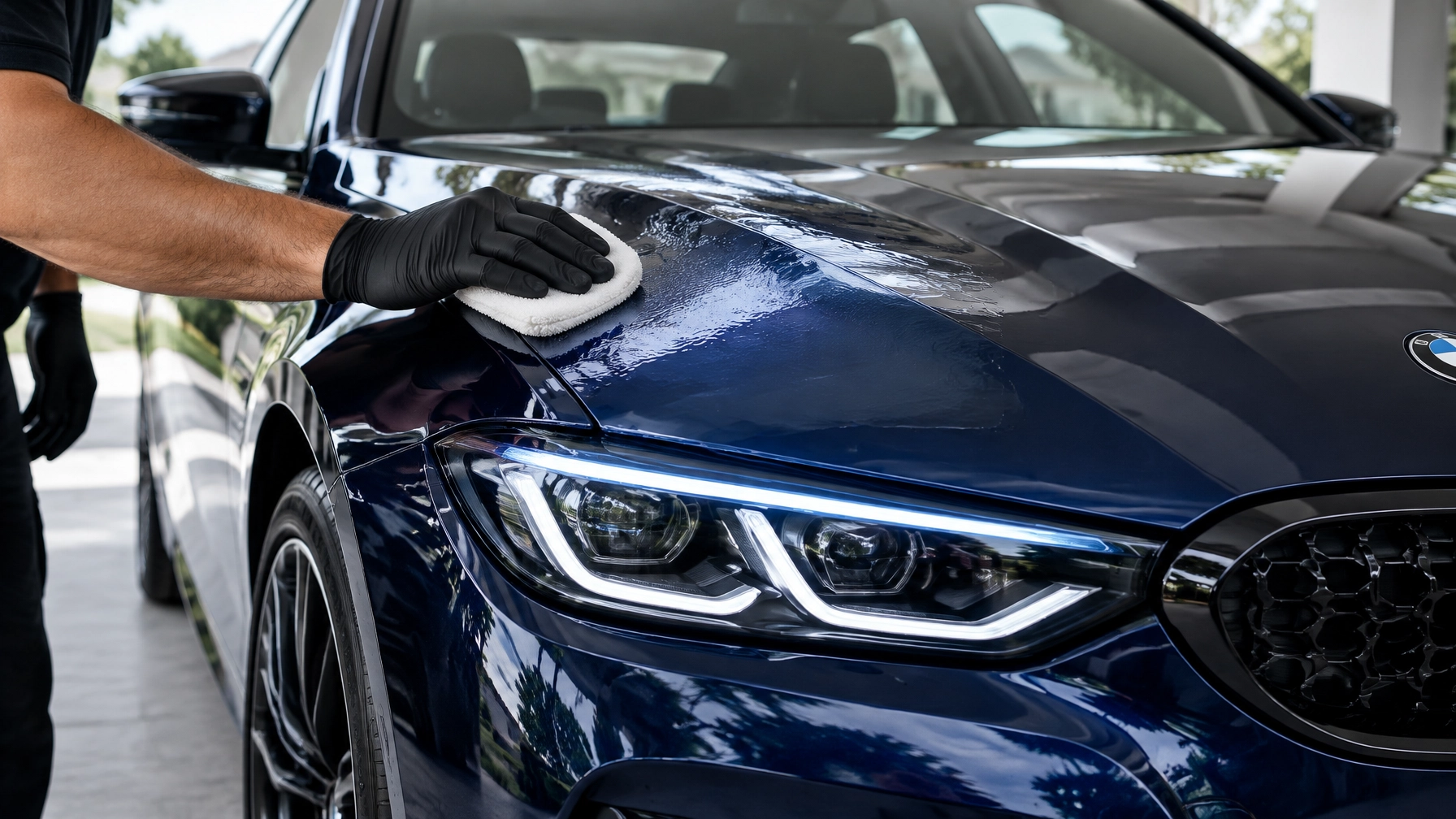
A ceramic coating houston provides a layer of protection that is significantly harder and more heat-resistant than any wax. Based on Silicon Dioxide (SiO2), ceramic coatings create a crystalline layer that bonds to your vehicle's factory paint. This layer is essentially "glass" for your car. It doesn't melt, and it doesn't wash away with soap. Because it is highly UV-resistant, it acts as a permanent sunblock for your car, preventing the sun from "cooking" your pigment.
Beyond just UV protection, the hydrophobic properties of a premium ceramic coating are what local drivers notice first. In our humid climate, water doesn't just sit on the surface; it beads up and rolls off, taking dirt with it. This reduces the amount of time you spend washing your car and prevents environmental contaminants like bird droppings or tree sap from etching into the paint. When you pair this with professional paint correction, the result is a mirror-like finish that stays that way for years.

What makes graphene coating houston different from traditional ceramic?
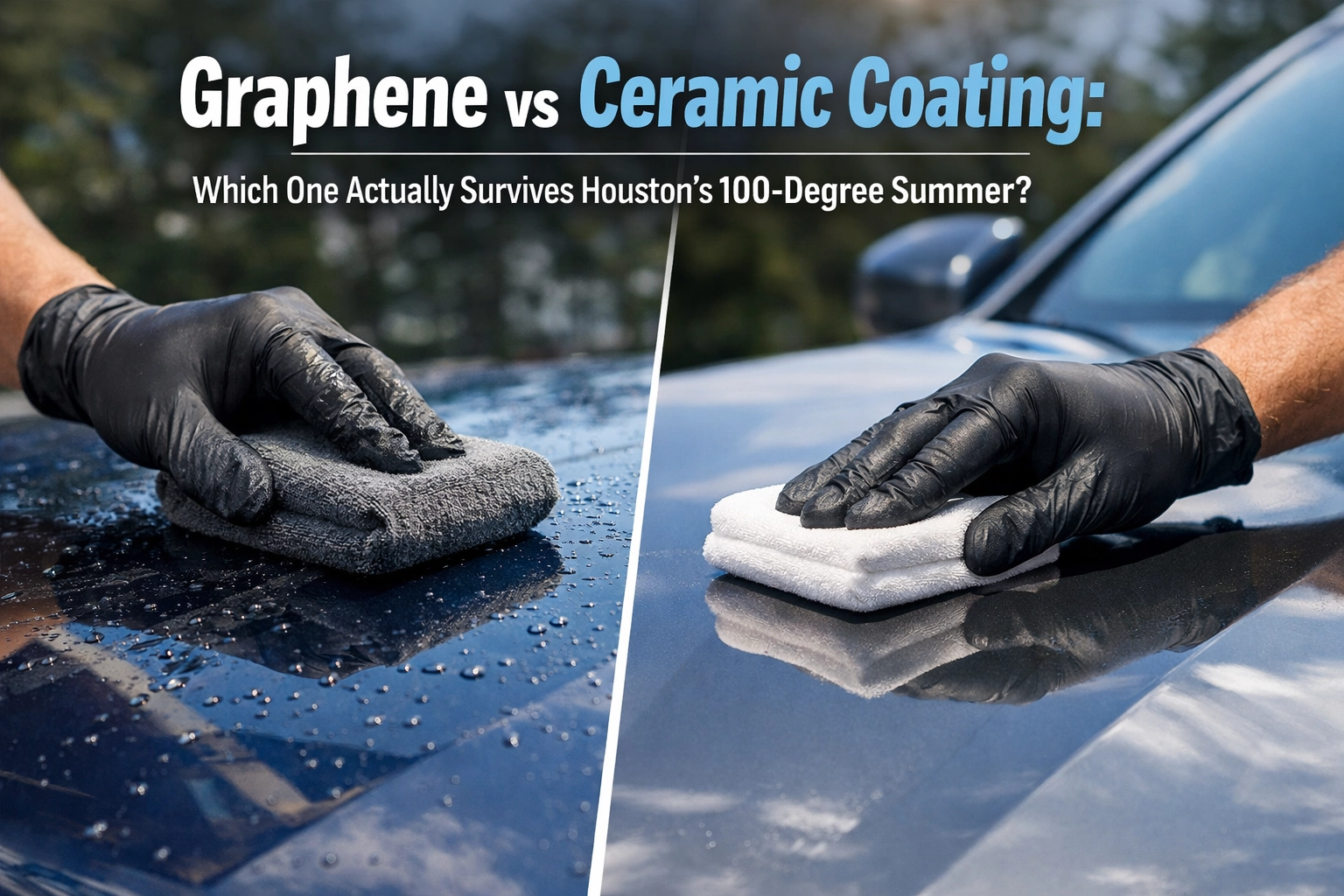
While ceramic coatings have been the industry standard for a decade, graphene coating houston represents the next evolution in surface protection. Graphene is a single layer of carbon atoms arranged in a honeycomb lattice, and it is widely considered the strongest material on Earth. When infused into a coating, it offers several distinct advantages over traditional SiO2 coatings, specifically regarding heat management.
The biggest differentiator for graphene is its thermal conductivity. Graphene actually dissipates heat. In a 100-degree Houston summer, a graphene-coated surface will generally stay cooler than a ceramic-coated one. This heat-dispersing capability reduces the risk of the paint absorbing enough thermal energy to cause damage. Furthermore, the molecular structure of graphene is more flexible than the rigid crystalline structure of ceramic. This flexibility allows the coating to expand and contract with the metal panels of your car as they heat up and cool down, reducing the likelihood of the coating "checking" or cracking over time.

Can graphene really prevent water spotting better in high humidity?
One of the few complaints about traditional ceramic coatings is their susceptibility to water spotting. Because ceramic is so hydrophobic, water beads into very tight, tall spheres. If that water contains high mineral content: common in Houston's tap water and rain: and the sun evaporates it quickly, it can leave behind a hard mineral ring. Because ceramic holds heat, it can "bake" those minerals into the surface.
Graphene coatings address this through a lower sliding angle. While it is still incredibly hydrophobic, graphene is technically more "antistatic" and "slick." This means water is less likely to stay on the panel in the first place. Combined with the lower surface temperature mentioned earlier, graphene is significantly more resistant to water spots and etching. For drivers in Pearland or League City who might deal with lawn sprinklers or heavy morning dew, this resistance to mineral etching is a massive benefit.
Which coating offers better longevity for Pearland or League City commuters?
When comparing longevity, graphene typically takes the lead, though premium ceramic products are catching up. A high-grade graphene coating can easily last beyond five to seven years if maintained properly. In contrast, standard ceramic coatings usually range from two to five years. However, it’s important to note that ultra-premium ceramics, like those used in our Platinum Package, are engineered to compete with the best graphene on the market, offering up to 10 years of protection in harsh sun environments.
For a daily driver commuting through the 610 loop or down I-45, the choice often comes down to how much abuse the car takes. If your car is parked outside 24/7, graphene’s superior heat dissipation and chemical resistance might be the smarter play. If your car is garaged and you want that deep, wet-look gloss that only SiO2 can provide, our Gold Package ceramic coating is an excellent choice. Both options provide a level of protection that makes your weekly wash faster and safer, as dirt cannot bond to the treated surface.

Why does Ceramic Enthusiasts focus on one car at a time for these applications?
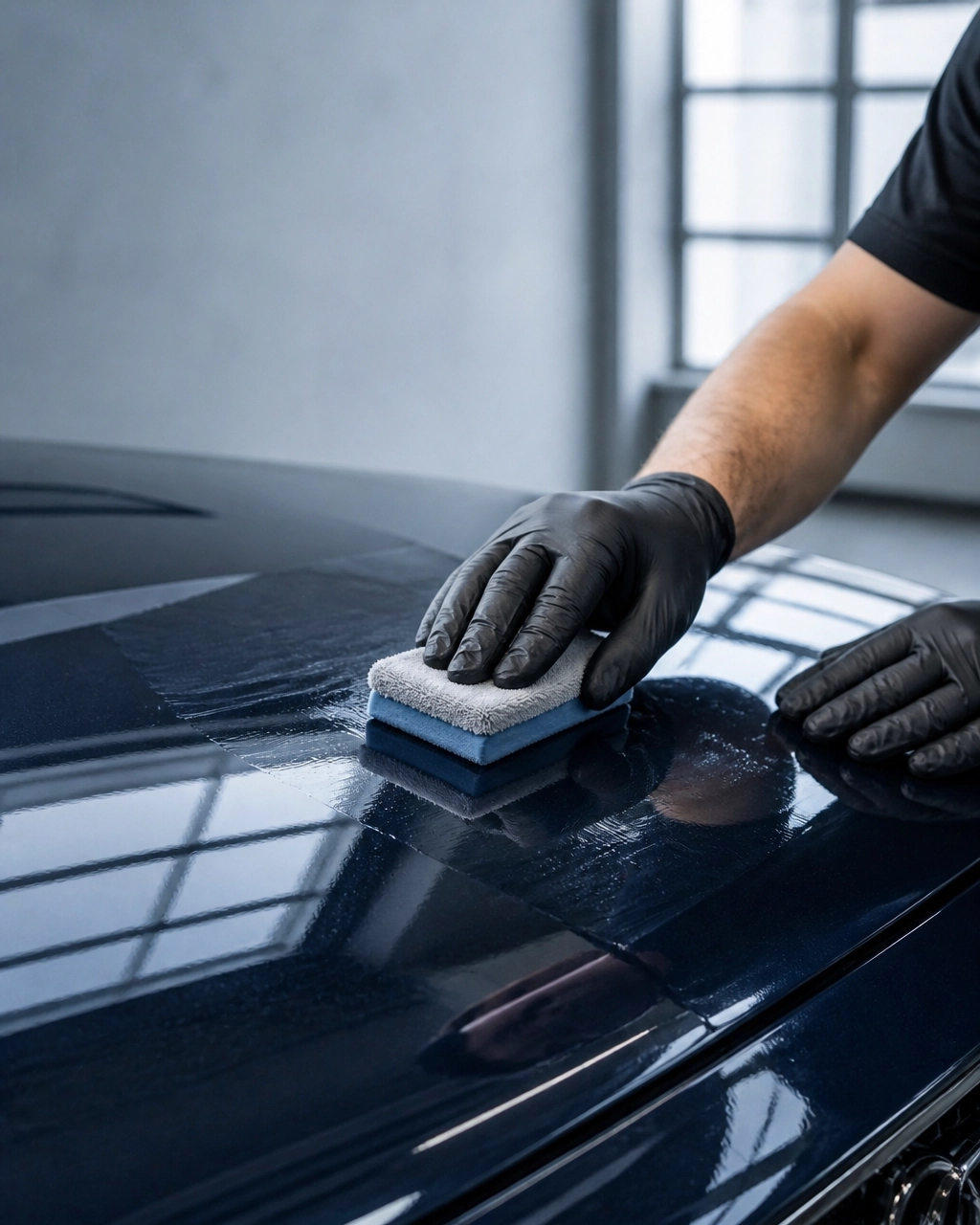
At Ceramic Enthusiasts, we don't operate a volume shop. We believe that applying a graphene coating houston or a ceramic coating houston requires a level of precision that cannot be rushed. This is why we operate on a "one car at a time" basis. Every vehicle that enters our studio undergoes a meticulous decontamination process, including a thorough wash, clay bar treatment, and iron decontamination to ensure the surface is chemically pure.
The bond between the coating and your paint is only as good as the preparation underneath. Most of our time is spent on paint correction, removing swirls, scratches, and oxidation. Applying a coating over imperfect paint simply "locks in" those defects. By focusing on one vehicle, we ensure that every square inch of your paint is polished to perfection before the coating is hand-applied. This owner-operated approach, backed by over a decade of experience, ensures that your investment provides the maximum possible protection against the Texas elements.

Do you need extra protection for your wheels and glass?
While protecting your paint is the priority, Houston’s environment attacks every part of your car. The heat from your brakes combined with the summer humidity creates a corrosive environment for your rims. We highly recommend a wheel ceramic coating to prevent brake dust from burning into the finish. This makes cleaning your wheels as simple as a quick spray-down, rather than scrubbing with harsh chemicals.
Similarly, a glass ceramic coating is a game-changer for visibility during our heavy thunderstorms. At highway speeds, rain will simply fly off your windshield, often making windshield wipers unnecessary. For those looking for the ultimate level of physical protection against rock chips: which are a constant threat on the Sam Houston Tollway: we also offer Liquid Paint Protection Film (LPPF). Unlike traditional PPF which is cut from sheets, LPPF is a meticulous, hand-applied process that provides a seamless, self-healing barrier that pairs perfectly with our coating services.
How do you choose the right protection for your specific driving habits?
Choosing between graphene and ceramic doesn't have to be complicated. If you prioritize heat dissipation and the latest in chemical resistance for a car that spends time outdoors, graphene is your go-to. If you want the classic, high-gloss "candy coat" look with proven durability, ceramic is a fantastic choice. Both options will significantly outperform any wax or sealant you’ll find at a local auto parts store.
Whether you are in Friendswood, Pasadena, or right here in central Houston, your car deserves protection that was formulated for this specific climate. Don't wait until you see the first signs of sun damage to take action. Protection is always more cost-effective than restoration.
To determine which coating is the best fit for your vehicle and budget, reach out to us at Ceramic Enthusiasts. We can walk you through our different service packages and help you decide on the right level of protection for your needs.
Ready to protect your investment from the Houston heat? Connect with us at 281-626-9384 to schedule your consultation.