
Tesla owners in Pearland face a frustrating reality: your EV's factory paint is softer than most vehicles on the road, and Houston's construction zones, gravel trucks, and freeway debris will shred it within months of ownership. Paint Protection Film (PPF) isn't a luxury upgrade: it's preventative maintenance that keeps your Tesla looking showroom-ready and protects your resale value from the relentless abuse of Texas roads.
Why Is Tesla Paint So Vulnerable in Pearland?
Tesla uses a thinner clear coat than traditional manufacturers, prioritizing aerodynamics and weight reduction over paint durability. The result? Rock chips from Highway 288 commutes, scratches from Beltway 8 construction debris, and oxidation from Pearland's 95-degree summer heat hit your Tesla harder than other vehicles. The low stance and aerodynamic design that make Teslas efficient also position the front bumper, hood, and fenders directly in the line of fire for road hazards.
Drive from Pearland to downtown Houston once during rush hour, and you're running a gauntlet of gravel trucks, tar debris from road repairs, and kicked-up rocks from 18-wheelers. Without protection, your Tesla's soft paint will show chips within the first few thousand miles: damage that's nearly impossible to touch up without creating visible color mismatches.

PPF absorbs these impacts before they penetrate your clear coat. The film is designed to take the hit, creating a sacrificial layer that preserves the original paint underneath. For Tesla owners who plan to keep their vehicles long-term or want maximum resale value, PPF pays for itself by preventing thousands in paint correction and resprays down the line.
What's the Difference Between Liquid PPF and Traditional Film?
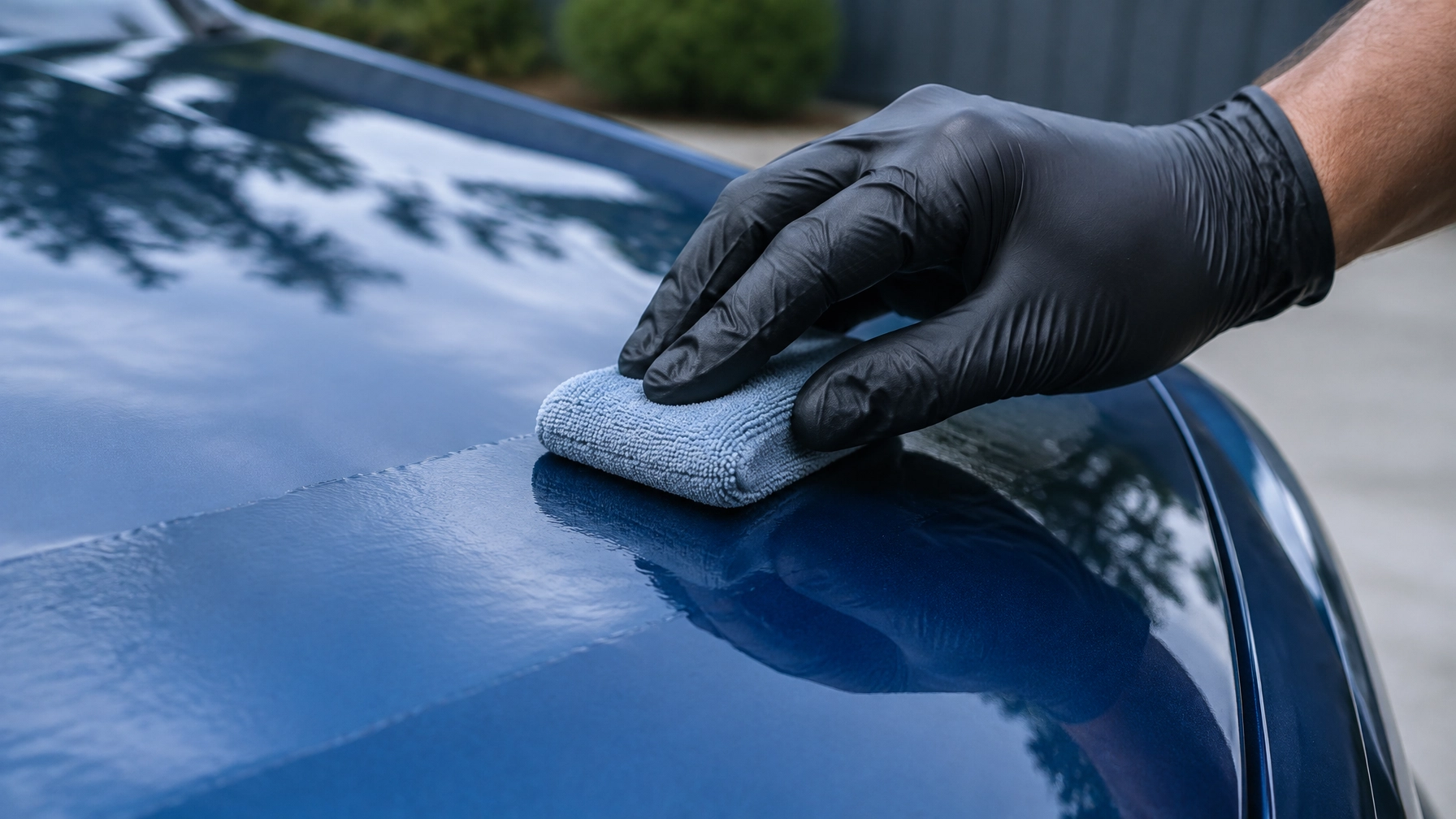
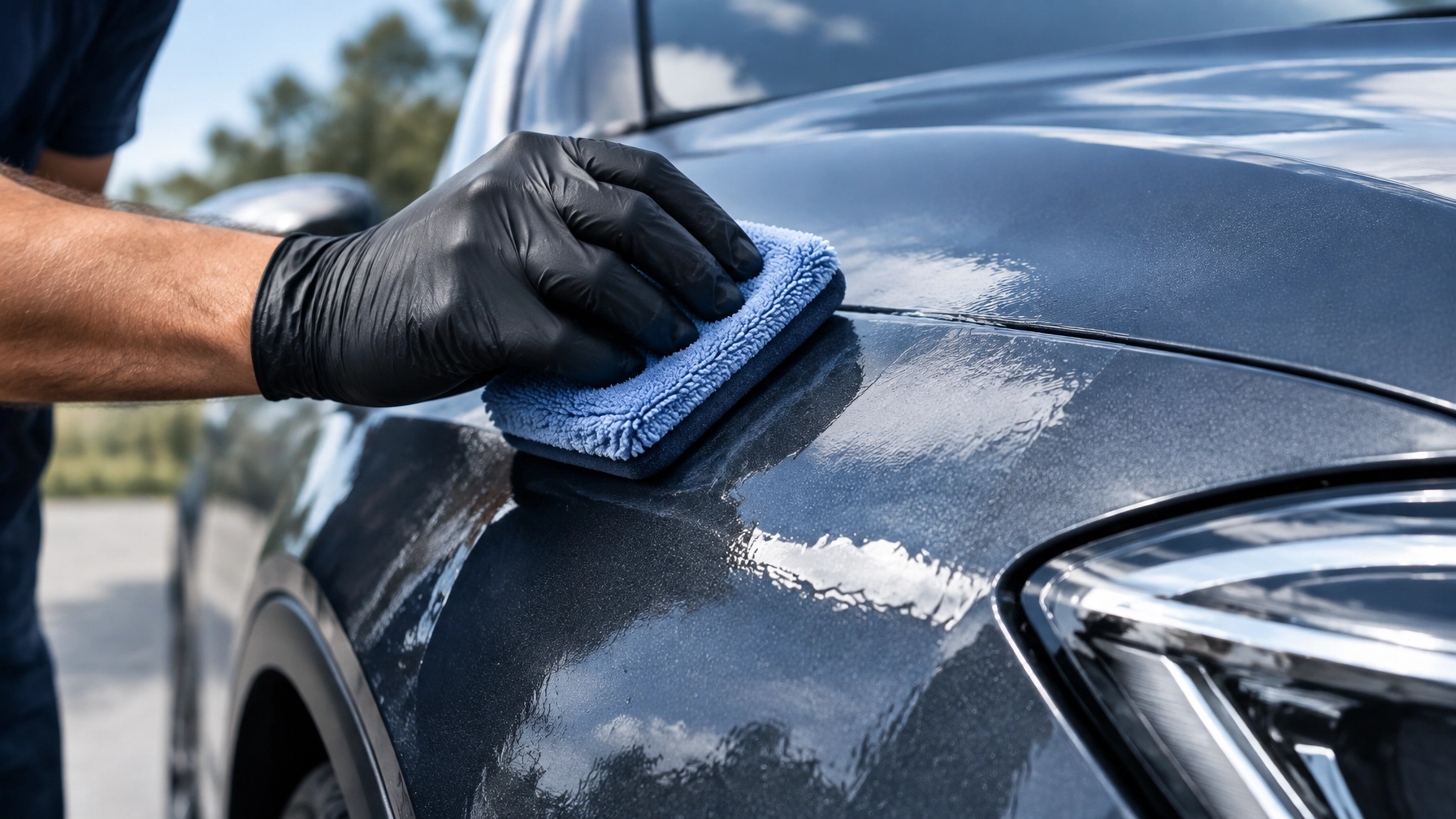
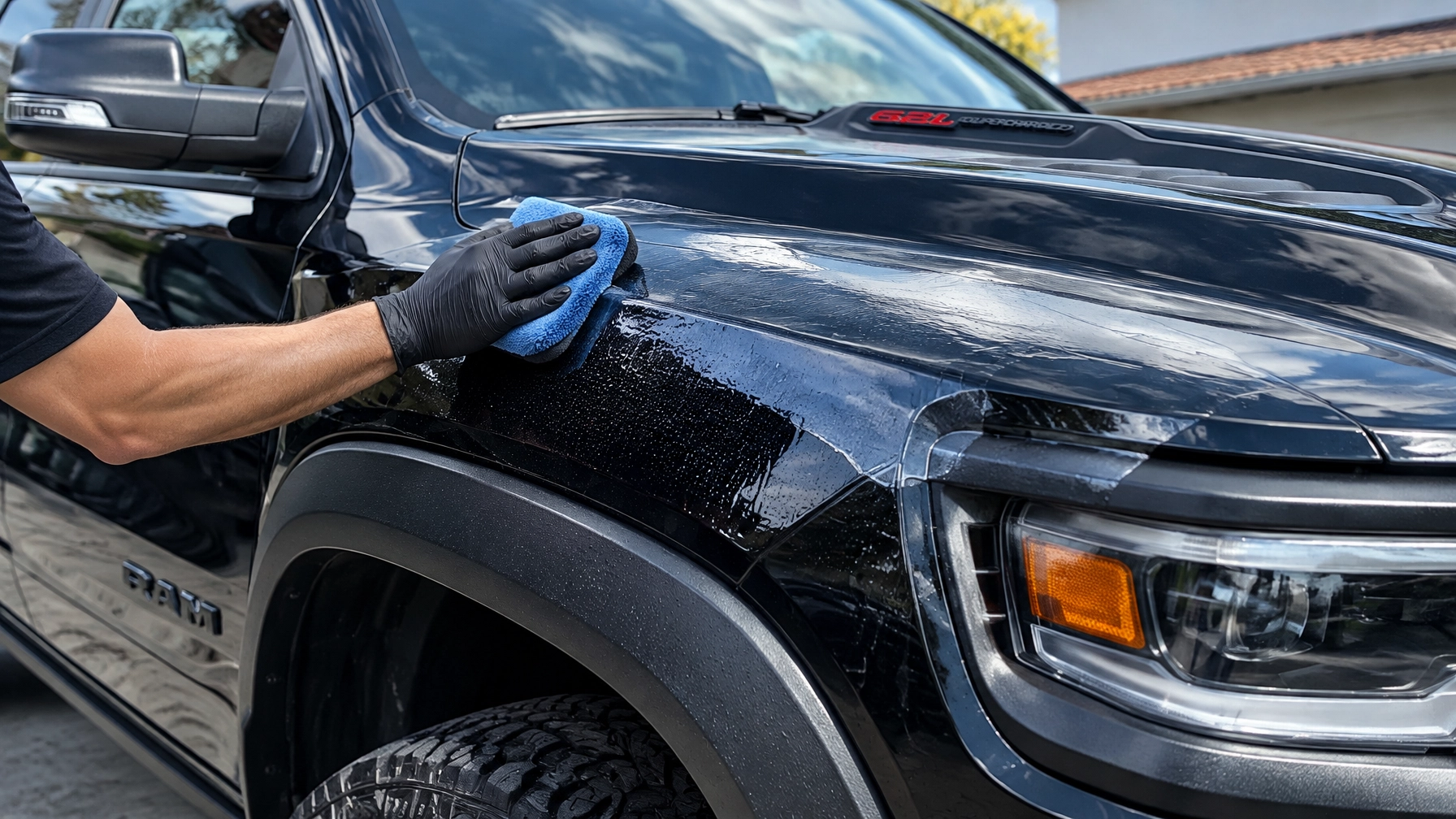
Traditional PPF is a pre-cut or hand-trimmed urethane film applied in sections across your vehicle. It works, but it creates visible seams at panel edges, collects dirt along the borders, and can lift over time if not installed meticulously. Liquid Paint Protection Film (LPPF), by contrast, goes on as a sprayable coating that bonds at a molecular level and cures into a seamless protective layer: no edges, no seams, no lift points.
LPPF offers re-leveling capability that traditional film can't match. Minor scratches and swirl marks disappear when exposed to heat from Texas sun or warm water during a wash. The hydrophobic surface repels water, road grime, and contaminants, keeping your Tesla cleaner between washes and reducing the frequency of detailing appointments.
The key advantage in Pearland's climate? LPPF doesn't yellow or haze under UV exposure the way older-generation traditional films can. Houston's relentless sun will break down inferior products within two years, leaving you with a cloudy, discolored film that makes your Tesla look worse than if you'd gone unprotected. Premium LPPF formulations are engineered to withstand sustained UV exposure without degradation, maintaining optical clarity for 5-10 years or longer.
That said, traditional PPF still has its place. Full front-end coverage with high-quality urethane film provides maximum impact resistance for owners who rack up highway miles or frequently encounter construction zones. The choice depends on your driving patterns, budget, and aesthetic preferences: but both options dramatically outperform bare paint when it comes to Houston road conditions.

Can PPF and Ceramic Coating Work Together?
Absolutely. PPF handles physical impacts: rocks, road debris, shopping cart dings: while ceramic coating adds a chemically bonded layer that repels contaminants, enhances gloss, and makes maintenance effortless. The combination gives you comprehensive protection: PPF as the armor, ceramic coating as the shield against environmental fallout.
Apply ceramic coating in Pearland over your PPF, and you get hydrophobic properties that cause water to bead and sheet off during Houston's notorious thunderstorms. Brake dust, bug splatter, and industrial fallout from nearby refineries won't bond to the surface, meaning contaminants wash away with minimal effort. The ceramic layer also intensifies the depth and clarity of your Tesla's paint, creating a mirror-like finish that turns heads.
For Tesla owners who want the ultimate protection, start with PPF on high-impact areas (front bumper, hood, fenders, side mirrors, door edges), then layer ceramic coating across the entire vehicle. This staged approach balances cost with coverage, focusing premium protection where it's needed most while still delivering whole-car benefits.
Why Does an Owner-Operated, One-Car Approach Matter for Teslas?
High-volume shops rush installations to maximize throughput. They'll have three or four vehicles in the bay simultaneously, techs working under time pressure, and corners cut on prep work to hit daily quotas. For a Tesla: where paint is already vulnerable and panel fit tolerances are tighter than traditional vehicles: that approach invites disaster.
Ceramic Enthusiasts works on one vehicle at a time with meticulous attention to surface preparation. PPF and ceramic coating only perform as well as the foundation underneath. That means decontamination, clay treatment, and paint correction to remove existing swirls and defects before any protective product touches your Tesla. Skipping these steps locks in imperfections under the film or coating, defeating the purpose of protection.
Owner-operated shops bring accountability that corporate chains can't match. When the person overseeing your installation has their name and reputation on the line: not just an hourly paycheck: they don't cut corners. You get consultations based on your actual driving habits, honest recommendations about which services make sense for your vehicle, and attention to detail that reflects over a decade of hands-on experience with Pearland's unique environmental challenges.
What Should You Ask Your PPF Installer Before Committing?
Not all installers are created equal. Before handing over your Tesla, get answers to these critical questions:
Insurance and Certification: Does the shop carry liability insurance that covers high-value EVs? Are technicians certified by film manufacturers (XPEL, 3M, SunTek)? If something goes wrong during installation, you need protection beyond a handshake agreement.
Product Longevity in Houston Heat: What specific film or LPPF product do they use, and what's the manufacturer's warranty against yellowing, cracking, or delamination in sustained UV exposure? Generic answers are red flags. You want brand names, warranty terms, and proof that the product has been tested in climates similar to Houston.
Experience with Teslas: How many Teslas has the installer protected? Tesla's aluminum body panels and unique paint chemistry require different handling than traditional steel-bodied vehicles. An installer who's only worked on trucks and sedans will struggle with the precision required for EV surfaces.
Surface Prep Process: Walk through their exact prep steps. You should hear: wash, decontamination, clay bar treatment, paint correction (if needed), isopropyl wipe-down, and controlled environment application. If they skip straight to installation, your PPF won't bond correctly and will fail prematurely.
Installation Environment: Where is the work performed? PPF requires a climate-controlled, dust-free environment to prevent contamination during application. Mobile installations or garage-based setups introduce variables that compromise quality.

Turnaround Time: How long will your Tesla be in the shop? Quality installations take time: rushing the cure process or skipping steps to meet a deadline results in subpar adhesion and early failure. A full-front PPF installation should take a full day minimum, longer if paint correction is needed.
Post-Installation Care: What's the maintenance protocol? PPF requires a curing period (typically 7-10 days) before washing, and specific cleaning products to avoid damaging the film. Make sure you get clear instructions on what to avoid and how to maintain the protection long-term.
How Does PPF Protect Your Tesla's Resale Value?
Teslas hold value exceptionally well compared to other EVs, but only if the paint is pristine. Buyers scrutinize Teslas more carefully than traditional vehicles because they know about the soft paint issue. A Model 3 or Model Y with visible rock chips, faded clear coat, or scratched fenders will sell for thousands less than an identical vehicle with flawless paint.
PPF is a documented investment that signals proper care to potential buyers. When you list your Tesla with PPF protection, you're advertising that the vehicle has been shielded from road hazards since day one. That's a selling point that justifies premium pricing and speeds up the sale process.
Consider the alternative: repainting a Tesla front bumper runs $800-$1,200 at a reputable body shop. A full respray to fix widespread chips and scratches? $3,000-$5,000 or more, with no guarantee of factory color match. PPF costs a fraction of that upfront and prevents the need for any paint repair, making it the most cost-effective long-term protection strategy for serious Tesla owners.
Ready to Protect Your Tesla in Pearland?
Houston's roads won't get easier on your Tesla's paint. Every day without PPF is another opportunity for irreversible damage from construction debris, highway gravel, and UV exposure. Whether you're protecting a brand-new delivery or restoring a vehicle that's already showing wear, starting with proper surface prep and premium film makes all the difference.
Connect with Ceramic Enthusiasts for a consultation tailored to your Tesla model, driving habits, and budget. We'll walk you through PPF options, explain how ceramic coating enhances your protection, and deliver the meticulous, one-car-at-a-time installation that keeps your EV looking flawless for years. Call us today to schedule your protection package and stop worrying about Houston's roads destroying your investment.
Ready to protect your investment? Call Ceramic Enthusiasts at 281-626-9384 to schedule your in-shop consultation, and learn more about our hand-applied Liquid Paint Protection Film and automotive ceramic coating.