Smart Pearland drivers don't just show up asking for ceramic coating and expect perfect results. They schedule a paint evaluation first. This single step determines whether your vehicle needs paint correction before the coating goes on: and whether you're about to waste money applying protection over damaged paint. Skip this consultation, and you're locking in swirl marks, oxidation, and clear coat scratches under a semi-permanent barrier that lasts years.
Living near the refineries and shipping corridors means your vehicle faces contaminants most of the country never deals with. The combination of 95-degree heat, humidity that never quits, and industrial fallout creates the perfect storm for paint degradation. Ceramic coating isn't a luxury here: it's a strategic defense against an environment that actively works to destroy your clear coat.
Why Does Houston Weather Demand Ceramic Coating?
Texas sun doesn't just make your steering wheel hot. UV exposure breaks down unprotected clear coat at the molecular level, causing oxidation that turns glossy paint chalky and faded. Add humidity levels that keep moisture trapped on your paint surface, and you're creating ideal conditions for water spots that etch into your clear coat permanently.
Drive down Highway 288 or I-45 during your commute, and your paint collects brake dust, tar, and road grime at highway speeds. Without ceramic protection, these contaminants bond to your paint and require aggressive washing to remove: washing that creates the swirl marks you're trying to avoid. The coating creates a hydrophobic barrier that causes water and dirt to bead up and roll off, reducing how hard you need to scrub during maintenance.

The coating's chemical resistance matters more in Pearland than almost anywhere else. Bird droppings and tree sap aren't just unsightly: they're acidic enough to eat through unprotected clear coat within hours in this heat. Ceramic coating stands up to these contaminants, giving you time to wash them off safely before permanent damage occurs. Those afternoon thunderstorms everyone complains about? The coating's hydrophobic properties turn them into free rinses rather than water spot nightmares.
What Should You Inspect Before Booking Your Appointment?
Run your hand across your hood in direct sunlight. Feel those rough patches? That's bonded contaminants: brake dust, tar, and industrial fallout that regular washing doesn't remove. Look at your paint from multiple angles under overhead lighting. Notice swirl marks, light scratches, or dull spots? These imperfections won't magically disappear under coating. In fact, ceramic coating amplifies whatever condition your paint is currently in.
Check your vehicle's service history. Has it ever received professional paint correction? If you bought it used or it's more than two years old, assume the answer is no. Dealer washes and automated car washes create micro-scratches that accumulate over time. These defects need to be polished out before coating application, or you're sealing in damage permanently.
Examine areas near badges, door handles, and trim pieces. Black plastic trim often shows white oxidation or fading. These spots require different preparation than painted surfaces. An owner-operated shop with over a decade of experience knows to address these details during the consultation: rushed chain operations skip right past them.
How Does Paint Correction Transform Your Results?
Paint correction removes the damaged layer of clear coat where swirl marks and scratches live. Using specialized polishing compounds and pads, the process levels your clear coat until the surface becomes perfectly flat and reflective. This isn't a detail: it's precision automotive refinishing that requires skill, time, and the right equipment.

The process starts with decontamination. Clay treatments and chemical decontaminants pull bonded particles from your paint that washing leaves behind. Once the surface is completely clean, the actual correction begins. Multiple polishing stages remove progressively finer scratches until your paint achieves that mirror-like finish you see on show cars. This prep work accounts for why professional ceramic coating in Pearland takes a full day rather than a quick afternoon.
Skip paint correction, and your ceramic coating will still bond: but you'll see every swirl mark with perfect clarity for the next 5-7 years. The coating doesn't fill imperfections. It creates a transparent protective layer that makes whatever's underneath more visible. That's why meticulous attention during the correction phase determines whether you get a flawless showroom finish or a permanent reminder of every automatic car wash you've ever used.
What Makes the Hand-Applied Process Different?
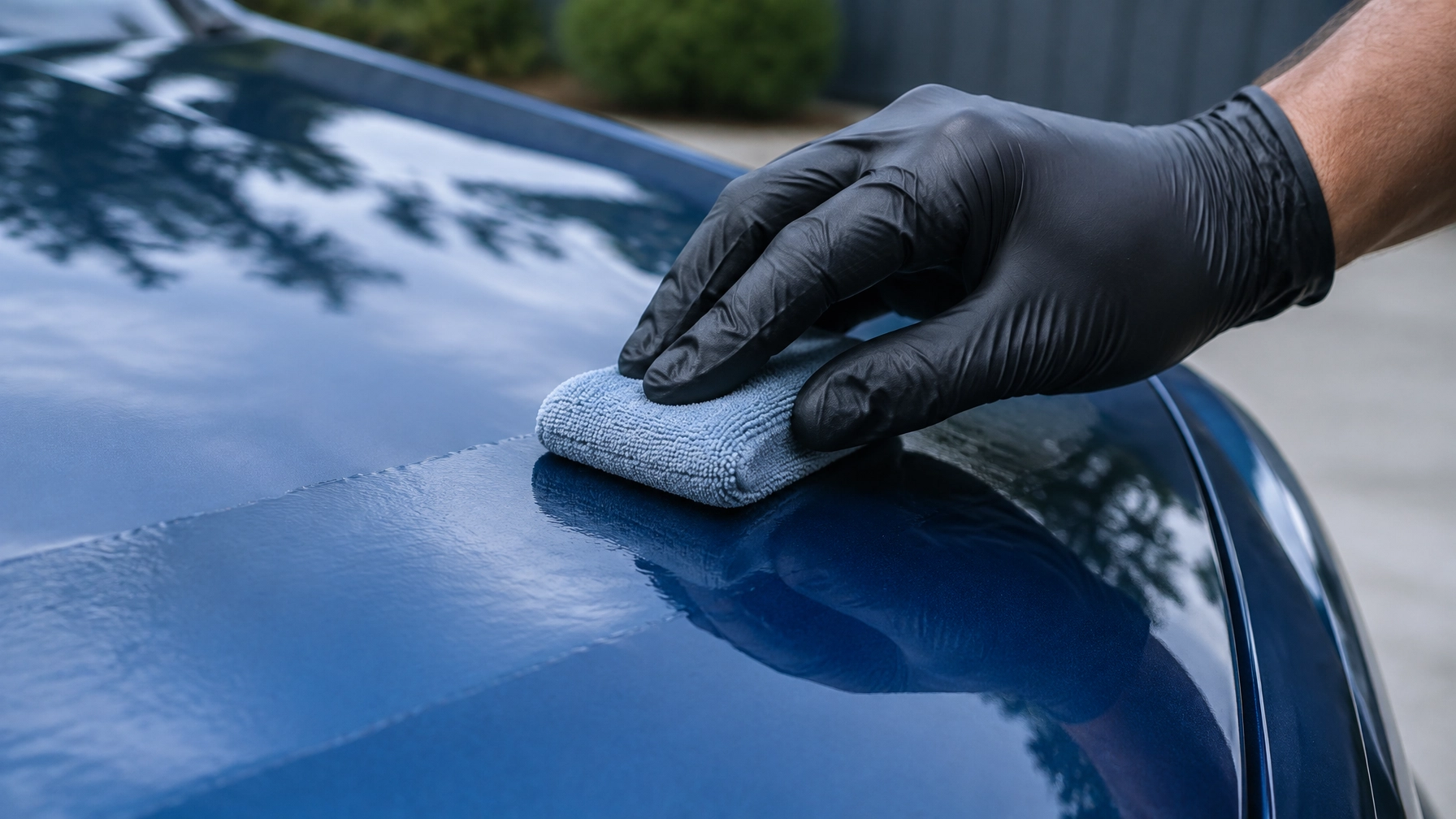
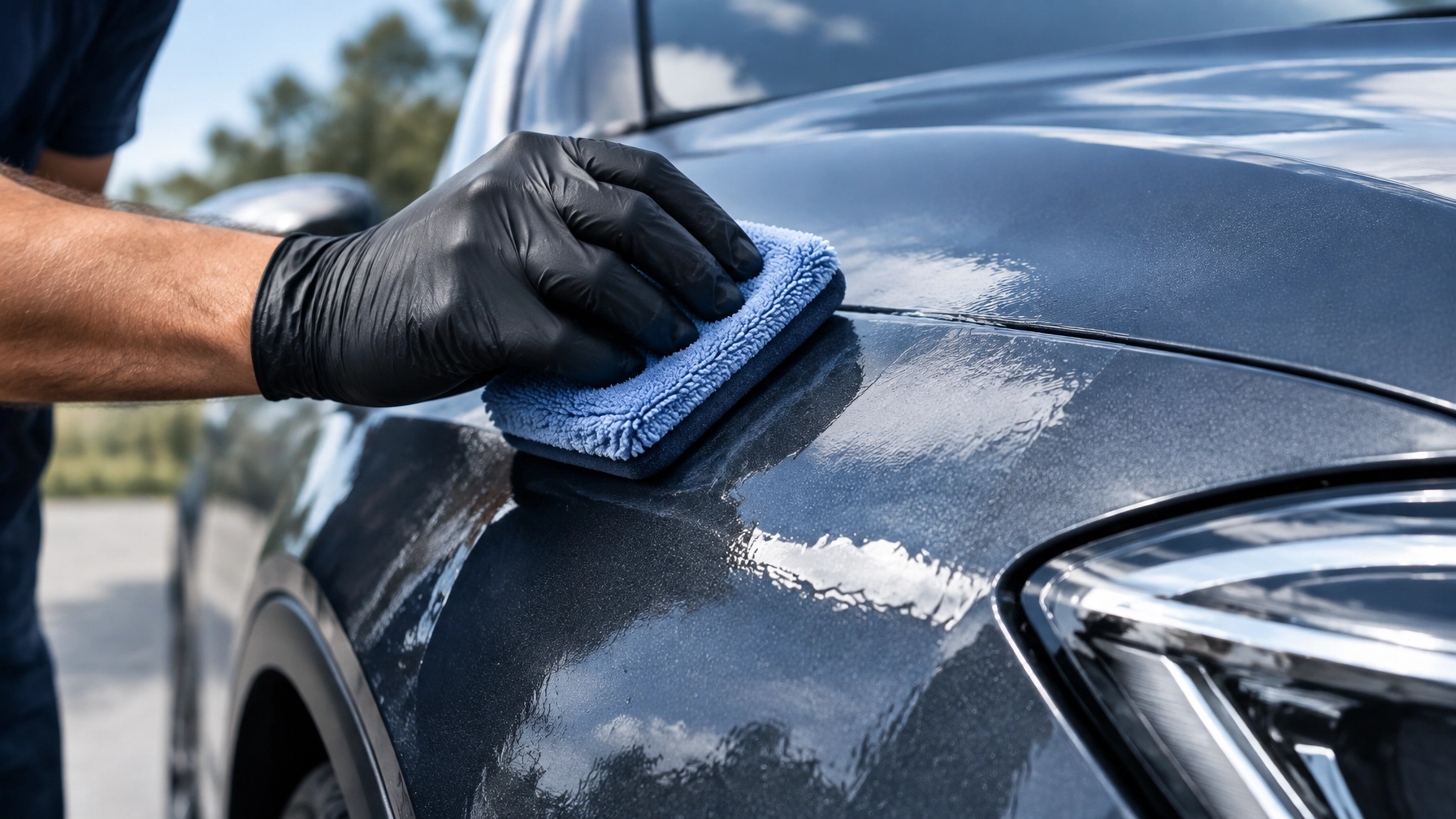
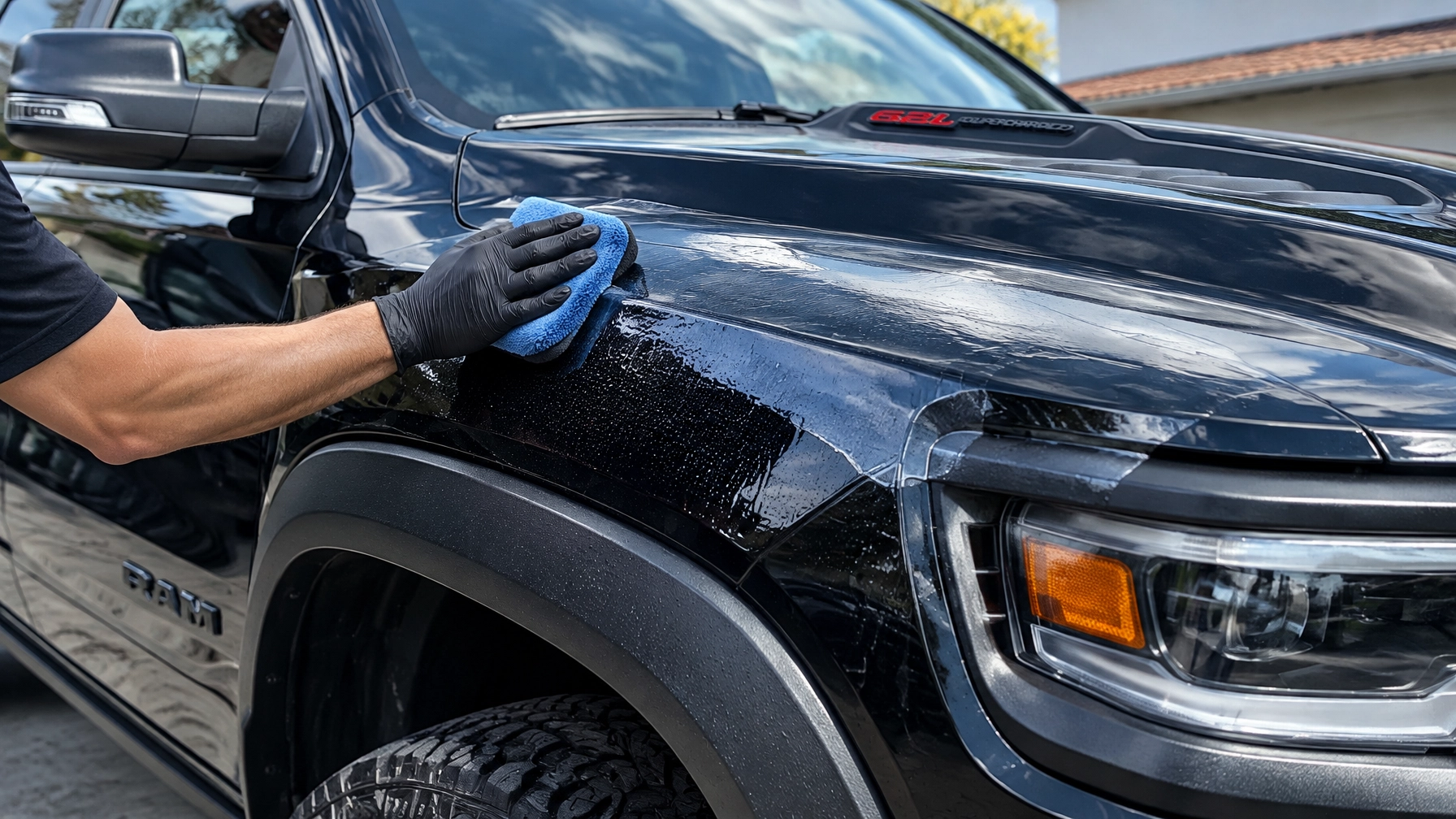
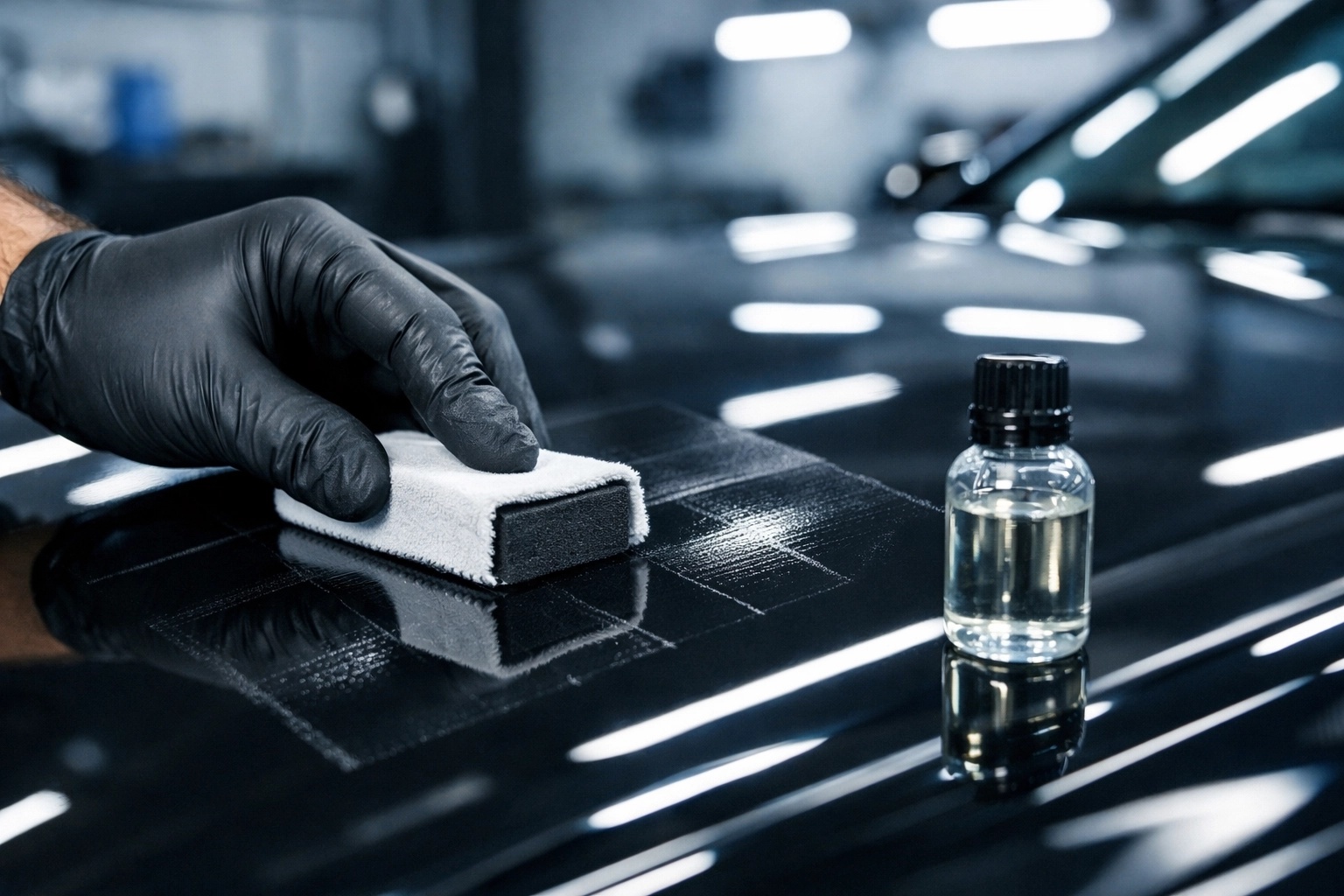
Premium ceramic coatings bond at the molecular level, creating a chemical reaction with your clear coat. This isn't a temporary layer that washes off: it becomes part of your paint's surface. The coating goes on as a liquid that requires precise application techniques. Too thick, and it leaves high spots. Too thin, and you don't get complete coverage. This precision work demands a steady hand and the experience to read how the product is flashing on different paint types.

An owner-operated shop applies coating one panel at a time, working methodically across your vehicle. Each section gets inspected under focused lighting before moving to the next area. This one-car-at-a-time approach means your vehicle receives undivided attention for the entire process. Compare that to shops that batch multiple vehicles through the same day, rushing application to hit quotas rather than quality standards.
The curing process matters just as much as application. After the coating is applied, it needs time to bond and harden completely. Temperature and humidity control during this phase determine how well the coating performs long-term. Mobile operations that apply coatings in our shop bay can't control environmental conditions. A controlled workspace ensures optimal curing regardless of what Houston's weather is doing that day.
Which Protection Level Matches Your Driving Habits?
Daily commuters racking up miles between Houston and League City need different protection than weekend cruisers. The Gold Package covers your paint with a durable ceramic barrier that handles daily exposure to highway debris and weather. This foundation level gives you the hydrophobic properties and UV protection every Texas vehicle needs.
Drivers who want maximum longevity and the deepest gloss move to the Platinum Package. This includes additional layers of coating plus glass ceramic coating for your windshield. The extra protection extends your coating's lifespan and improves water sheeting during those sudden afternoon downpours. Add wheel ceramic coating, and brake dust becomes a non-issue: wheels stay cleaner longer with minimal effort.

Don't forget about your paint while focusing on exterior protection. Paint correction pairs seamlessly with ceramic coating appointments. Clean, protected leather and properly treated plastics complete the transformation. Whether you're protecting a new truck or restoring a vehicle you've owned for years, comprehensive protection inside and out maintains resale value and keeps your investment looking sharp.
How Do You Keep the Coating Performing?
Ceramic coating eliminates the need for waxing, but it doesn't mean never washing. Dirt and contaminants still land on your paint: the coating just makes them easier to remove. Use pH-neutral car wash soap and the two-bucket method to avoid introducing new scratches. Those quick spray-and-wipe products at gas stations? Avoid them. They contain harsh chemicals that can degrade your coating over time.
The beauty of ceramic protection shows up during routine washing. Water beads up immediately and rolls off the surface, taking loose dirt with it. You'll notice you can wash your vehicle in half the time compared to unprotected paint. The coating's slick surface means less scrubbing and reduced risk of creating new swirl marks. This benefit becomes obvious after your first rain: watch contaminants sheet off instead of bonding to your paint.

Annual inspections keep your coating performing at its best. An experienced installer can assess the coating's condition, identify any areas that need attention, and recommend whether a booster application makes sense. This maintenance approach extends the coating's lifespan well beyond the warranty period. Treat your ceramic coating like the long-term investment it is, and it delivers protection measured in years, not months.
Ready to Start the Process Right?
Schedule your paint evaluation before committing to coating. This consultation reveals your paint's current condition and what prep work you'll need. Honest assessment from an owner-operated shop with over 10 years serving Pearland means you know exactly what you're getting: no surprises, no shortcuts, just meticulous attention to your vehicle's specific needs.
The quick-start approach works because it's honest: evaluate first, correct if needed, then protect. Skip steps, and you'll see the consequences every time sunlight hits your paint. Do it right, and you'll have a finish that turns heads at every stoplight between Friendswood and Pasadena.
Call 281-626-9384 to book your consultation. Let's determine whether your paint is ready for coating or needs correction first. Either way, you'll know exactly what your vehicle requires before any work begins.