
Your car faces a daily assault on Houston's roads. Between I-45's constant rock chips, 610's stop-and-go brake dust, and the relentless UV rays baking everything from Pearland to League City, your paint needs serious protection. The question isn't whether to protect it, it's which protection delivers what you actually need.
Traditional Paint Protection Film (PPF), Liquid Paint Protection Film (LPPF), and automotive ceramic coating all promise to shield your investment. But they work in fundamentally different ways, and understanding those differences determines whether you're actually protecting your vehicle or just making it shiny.
What Actually Separates Traditional PPF, LPPF, and Ceramic Coating?
The core difference is simple: Traditional PPF is a physical film, LPPF is a hand-applied liquid film that’s spread and worked by hand (not sprayed) and cures into a seamless barrier, and ceramic coating is a chemical layer that bonds to the surface for slickness and chemical resistance.
Traditional PPF operates as a thick polyurethane film applied in pre-cut or bulk pieces across select panels. It delivers strong impact protection, but it can leave seams and edges at panel breaks, and over time some films can yellow or discolor under intense UV exposure.
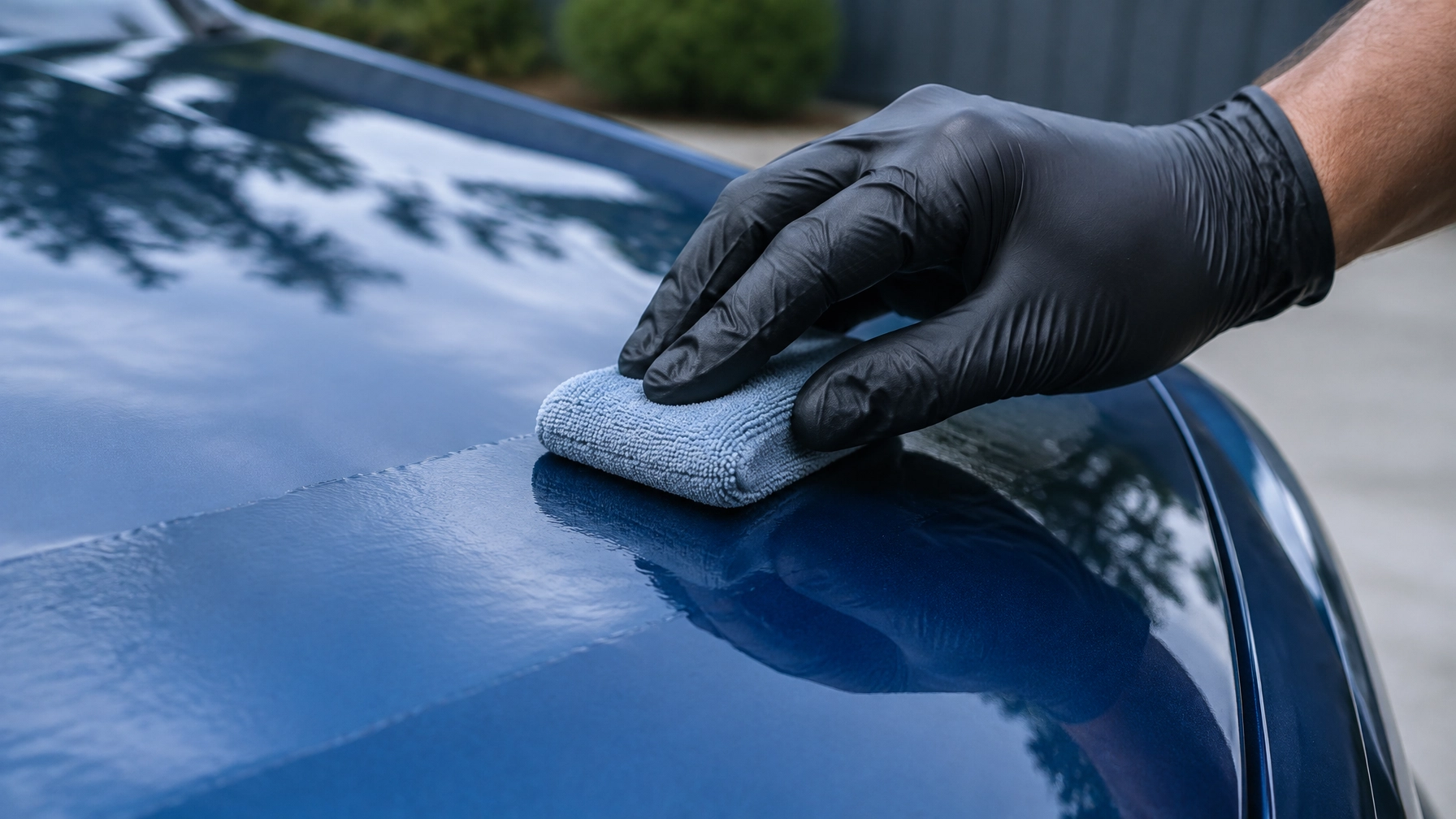
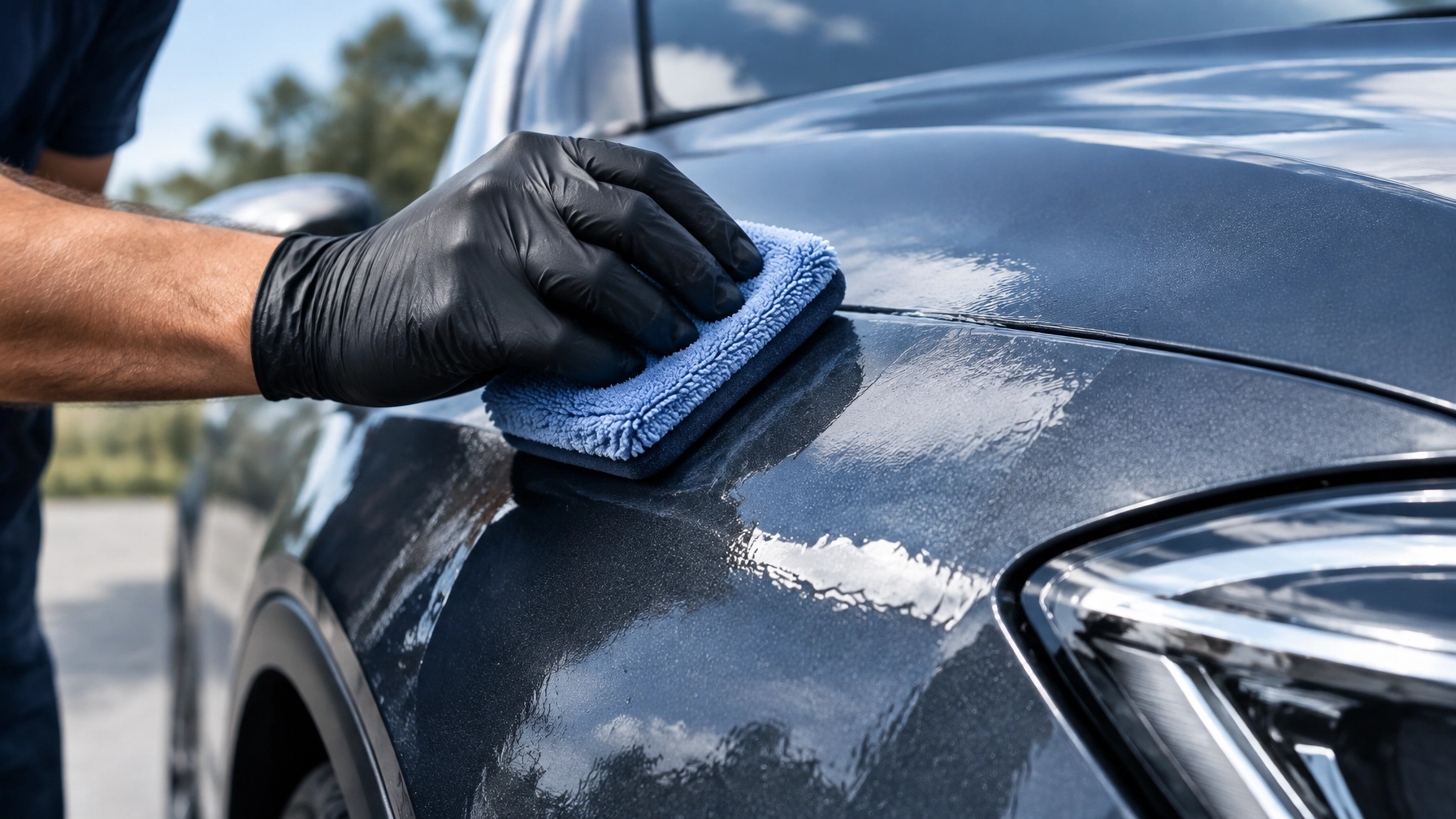
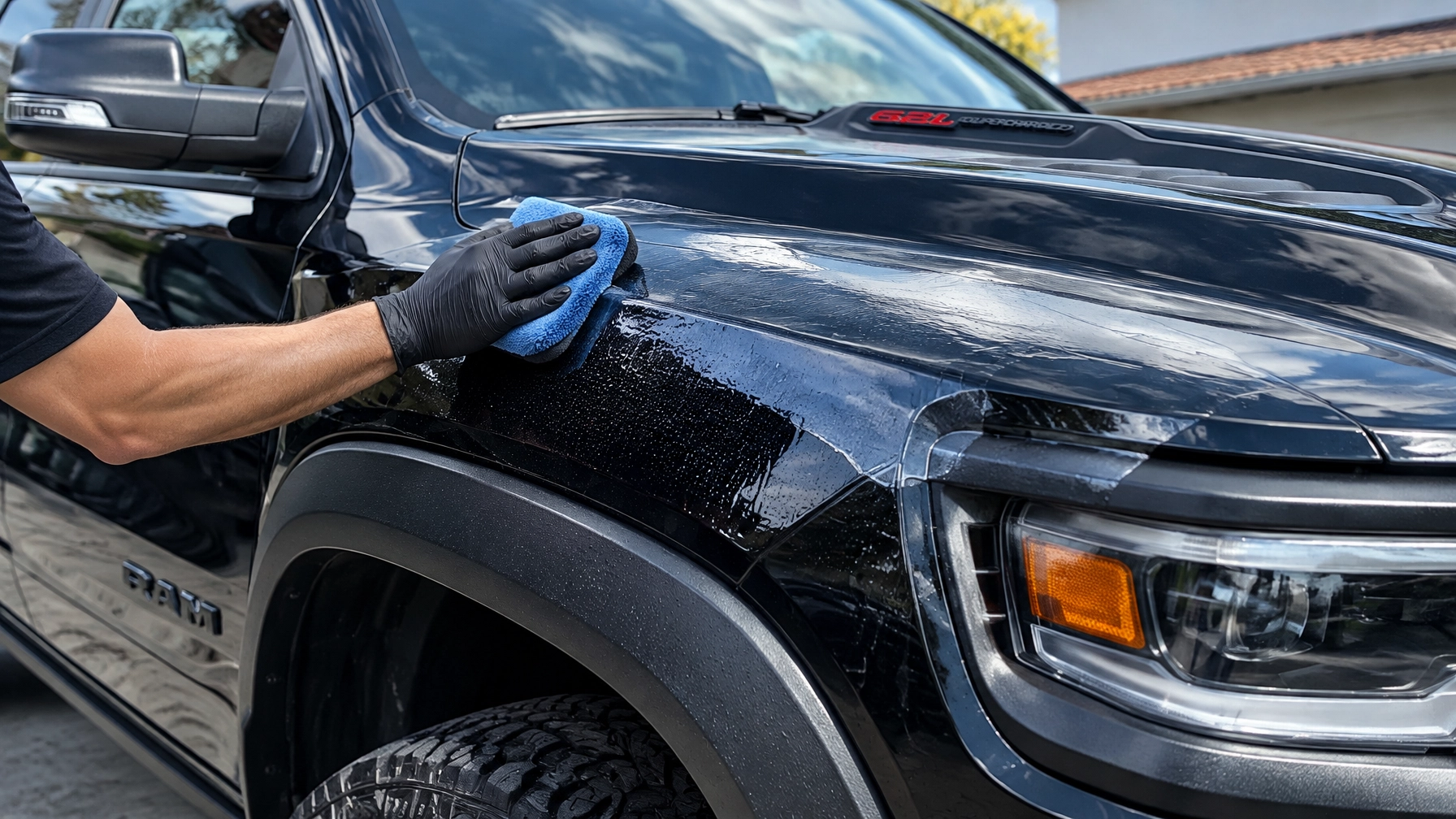
LPPF delivers film-style protection without the “cut lines” look. It’s hand-applied (not sprayed) and worked panel by panel to conform to complex curves and body lines, creating a smooth, seamless finish. A key advantage is re-leveling: if a rock impact causes a blemish, the surface can be re-leveled to restore a uniform finish without living with a permanent scar.
Ceramic coating works at the microscopic level, chemically bonding to paint (or to LPPF) to add hydrophobic behavior, gloss, and resistance to chemical staining. It protects against UV, water spots, and grime bonding, but it does not provide the same level of impact protection as either type of film.
For Houston drivers bouncing between I-45, 610, and Highway 288, that difference matters on day one. Rocks hit hard here. Heat and humidity keep contamination active year-round.

How Does LPPF Handle Rock Chips That Ceramic Coating Can't?
Here's where LPPF demonstrates its most significant advantage: the re-leveling property. When a rock chip hits traditional PPF or LPPF, the material absorbs and disperses the impact across its surface. But LPPF takes this a step further. The molecular structure actually flows back into minor damage points, re-leveling surface scratches and small impact marks that would permanently scar unprotected paint or even ceramic-coated surfaces.
This re-leveling happens through a combination of the liquid film's flexible polymer structure and Houston's abundant heat. Park your vehicle in the Texas sun after a highway drive, and LPPF's its re-leveling capability activate. Minor swirls from automated car washes, light scratches from parking lot mishaps, and small rock impacts literally disappear as the material flows back to its original state.
Ceramic coating offers no equivalent protection. A rock chip penetrates the coating and damages the paint underneath. You'll need paint correction and reapplication to restore the finish. LPPF prevents the damage entirely by creating a sacrificial barrier that regenerates itself.
For South Houston commuters running the gauntlet between refineries and shipping terminals, this difference becomes apparent within weeks. Traditional ceramic coating shows battle scars. LPPF maintains that flawless finish through dozens of weather cycles and thousands of highway miles.

Which Protection Handles Houston's UV Exposure Better?
Ceramic coating earns high marks here. The chemical bond creates a sacrificial layer that absorbs UV radiation before it reaches your paint. This prevents oxidation, color fading, and the chalky appearance that develops on unprotected vehicles after multiple Texas summers. For daily drivers parked outdoors in League City or Friendswood, this UV protection extends paint life measurably.
Traditional PPF and LPPF also block UV, but they do it as a barrier layer above the paint. Traditional PPF can be more prone to visible edges showing age, and some films can yellow over time under relentless Texas sun. LPPF is designed to keep a clean, optically clear look while delivering film-style protection with a seamless finish, even after dozens of heat-and-humidity cycles.
The practical answer for maximum real-world protection in Houston is pairing technologies. Use LPPF for high-impact zones: front bumper, hood, fenders, side mirrors, rocker panels, and rear wheel arches. Then add ceramic coating over the entire vehicle, including over the LPPF, to lock in hydrophobics, gloss, and easier maintenance across every painted surface.
Can LPPF Match Ceramic Coating's Hydrophobic Properties?
Ceramic coating dominates in pure hydrophobic performance. Water doesn't just bead, it practically leaps off treated surfaces. Brake dust from stop-and-go traffic on I-610 struggles to bond to the coating. Bird droppings and tree sap wipe away with minimal effort. For Houston's humidity and frequent thunderstorms, this easy-clean property reduces washing frequency and prevents water spot etching.
LPPF offers hydrophobic benefits but not at ceramic coating's level. The material repels water and resists contamination effectively, making maintenance easier than unprotected paint. But the slickness and self-cleaning properties don't quite match a quality ceramic coating's performance.
Here's where the complementary nature of these products becomes clear. Apply LPPF to protect critical areas from physical damage, then add ceramic coating over the top. You get LPPF's impact resistance and its re-leveling capability combined with ceramic coating's superior hydrophobic performance and easier maintenance. The ceramic coating actually bonds to LPPF just as effectively as it bonds to paint, creating a unified protective system.

How Long Does Each Protection Actually Last?
Longevity depends on application quality, environmental exposure, and maintenance habits. Premium ceramic coatings typically deliver 2-5 years of protection under Houston conditions. The chemical bond gradually breaks down from UV exposure, washing chemicals, and environmental contaminants. After that window, you'll need paint correction and reapplication to restore peak performance.
Quality LPPF installation lasts 7-10 years when properly maintained. The barrier doesn’t “wash off” like a wax. It takes the hits so your paint doesn’t, and when a rock impact causes a blemish, LPPF can be re-leveled to restore a smooth, uniform finish.
Traditional PPF often falls in a similar multi-year window, with strong impact protection. The real-world difference is appearance and edge management: seams, edges, and visible lines can collect grime or show age, and some films can discolor over time depending on exposure and care.
For Pearland drivers keeping vehicles long-term, LPPF’s lifespan and seamless look make it a strong value play. For shorter ownership cycles, ceramic coating still makes sense for shine, hydrophobics, and easier maintenance.

What Does Professional Application Actually Involve?
Ceramic coating application starts with thorough paint correction, removing swirls, scratches, and oxidation until the surface is mirror-smooth. Then the coating gets hand-applied in controlled environment conditions, requires precise curing time, and needs 24-48 hours before water exposure. Rush the process or skip proper correction, and you lock imperfections under the coating permanently.
LPPF is also a hand-applied process, built around meticulous panel-by-panel coverage. The installer works the product carefully across contours, body lines, and edges so the finished result looks seamless, not “wrapped.” Done correctly, it delivers film-style protection with a smooth appearance that fits modern vehicles with complex shapes.
Traditional PPF installation is a different skill set. The film is physically laid onto panels in sections, then microfiber applicator pad’d into place and trimmed or tucked. Quality comes down to alignment, edge work, and how cleanly seams and relief cuts are managed. That’s where you see the biggest variation between rushed installs and a one-car-at-a-time approach.
Do Houston Drivers Actually Need Traditional PPF, LPPF, or Ceramic Coating?
Most Houston drivers don’t need everything, but they do need the right tool for the way they drive. Traditional PPF, LPPF, and ceramic coating each solves a different problem, and the “best” choice depends on whether your priority is impact protection, seamless appearance, or maintenance ease.
Choose Traditional PPF when maximum physical impact protection is the top goal and you’re comfortable with the realities of film installs: seams, edges, and visible transitions on certain panels. It’s a proven option for front-end defense, but those edges can collect grime, and long-term appearance can change depending on film quality and UV exposure.
Choose LPPF when you want film-like protection with a seamless look. It delivers strong defense where Houston chips paint the fastest, and its re-leveling ability means certain impact blemishes can be restored to a smoother finish. That’s the “best of both worlds” lane: protection you feel on the freeway with a finish that still looks like paint.
Choose ceramic coating when you want a chemical bond that boosts shine, hydrophobics, and resistance to staining from Houston humidity, rain, and brake dust. It makes washing faster and safer, and the gloss is noticeable from the first rainstorm. It just doesn’t replace a film when rocks start flying off I-45.
The most common strategy is combination-based. Apply LPPF to high-impact zones, then ceramic coat the entire vehicle (including over the LPPF) for the slick, easy-clean behavior people search for when they type “ceramic coating near me” in Pearland, Friendswood, and League City.

Which Protection Delivers Better Value Long-Term?
Cost considerations extend beyond initial installation. Ceramic coating requires less upfront investment: typically $500-$1,500 depending on quality and coverage. But that protection requires replacement every 2-5 years, meaning multiple applications over a vehicle's lifetime.
LPPF costs more initially due to the hand-application labor and premium material. Full-vehicle coverage runs significantly higher than ceramic coating. But that single installation protects for 7-10 years, eliminating the need for repeated applications and paint correction services. For vehicles you plan to keep long-term, LPPF's cost-per-year actually undercuts ceramic coating's lifetime expense.
The combined approach: LPPF on high-impact zones with ceramic coating over everything: offers the best balance. You get LPPF's critical protection where damage actually happens while managing costs by limiting full-coverage installation. Ceramic coating's relatively affordable whole-vehicle application adds the hydrophobic and UV benefits without doubling LPPF's cost.
Consider your driving patterns too. Daily commuters on Houston's major highways face exponentially more rock chips than occasional drivers on residential streets. That higher exposure justifies LPPF's investment by preventing thousands of dollars in paint correction and potential repainting costs.
What Should Your Protection Strategy Look Like?
Start by assessing your actual risk. Freeway commuters running Pearland to Houston daily need maximum impact protection. Weekend drivers with garage parking can prioritize easier maintenance and UV shielding.
For high-mileage highway driving, LPPF on high-impact zones is non-negotiable. Add ceramic coating over the entire vehicle for comprehensive coverage. For moderate driving with mixed conditions, LPPF on the front end plus ceramic coating everywhere else balances protection and investment. For minimal exposure or short-term ownership, ceramic coating alone provides worthwhile benefits.
Whatever combination you choose, professional application determines actual results. Hand-applied LPPF requires skills developed over years of practice. Ceramic coating demands proper paint correction and precise application technique. Shortcuts in either process waste money and compromise protection.
At Ceramic Enthusiasts, we've spent over a decade perfecting both technologies for Houston's demanding conditions. Our owner-operated approach means one vehicle at a time receives meticulous attention, whether that's hand-applying LPPF across complex body lines or layering ceramic coating over freshly corrected paint. We serve Pearland, Houston, Pasadena, South Houston, Friendswood, and League City with in-shop paint protection convenience.
Ready to determine which protection combination fits your vehicle, driving habits, and budget? Connect with us at 281-626-9384 to discuss your specific situation and schedule a consultation. We'll assess your paint condition, explain what each technology actually delivers, and create a protection strategy that makes sense for how you actually use your vehicle.
Your car deserves protection that works for Houston's real-world conditions: not just marketing promises. Let's build the right defense together.
Ready to protect your investment? Call Ceramic Enthusiasts at 281-626-9384 to schedule your in-shop consultation, and learn more about our hand-applied Liquid Paint Protection Film and automotive ceramic coating.