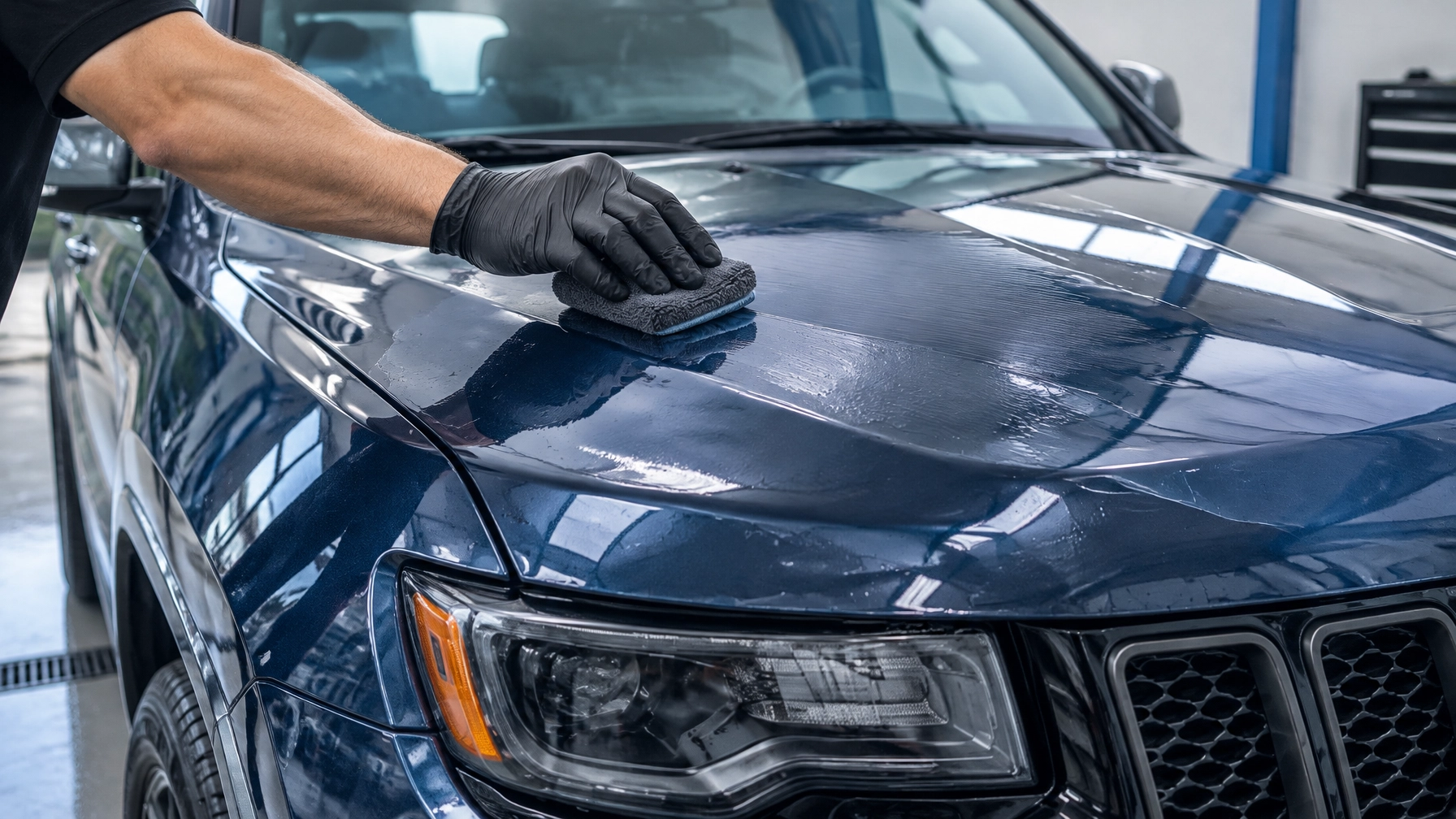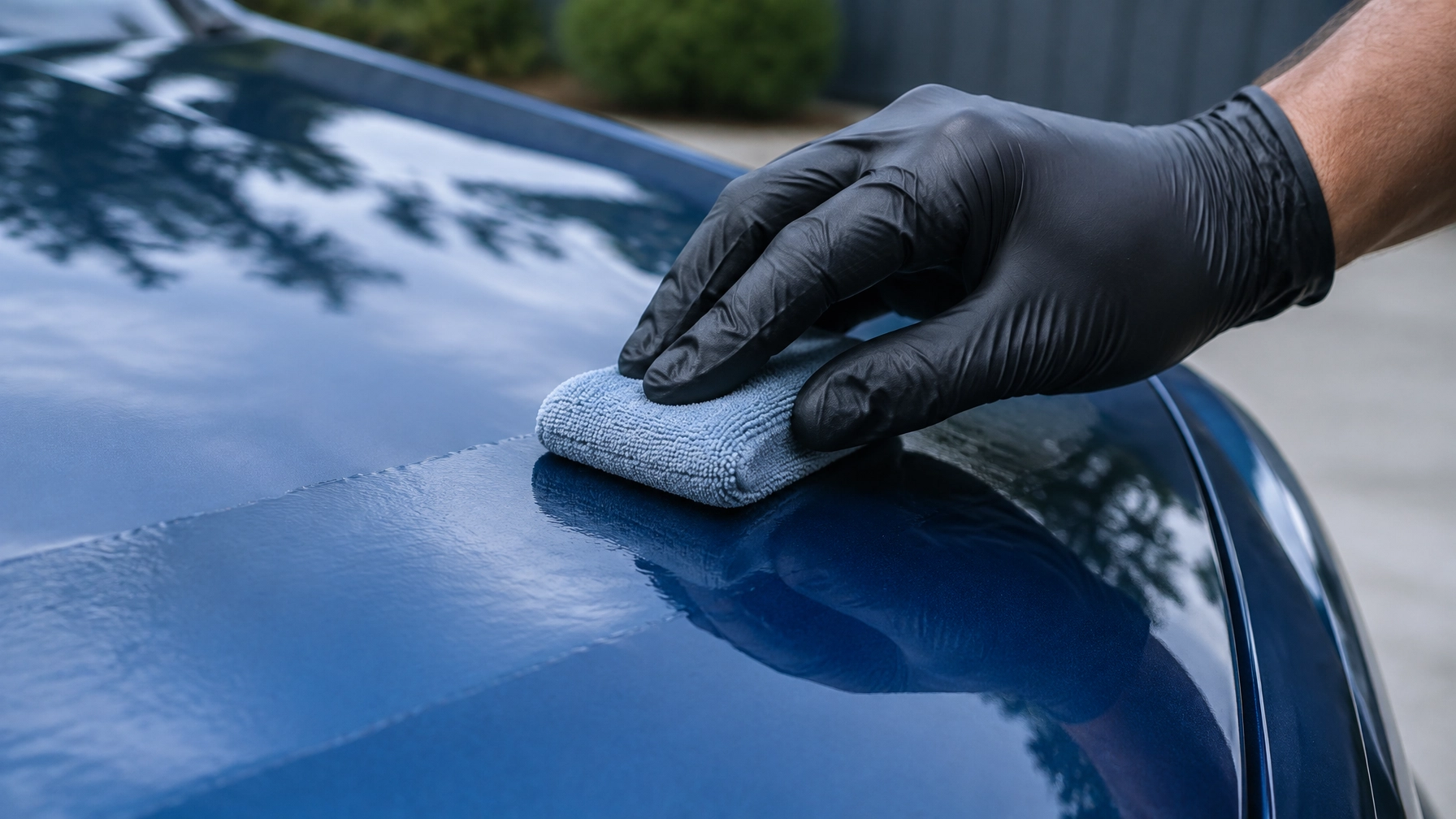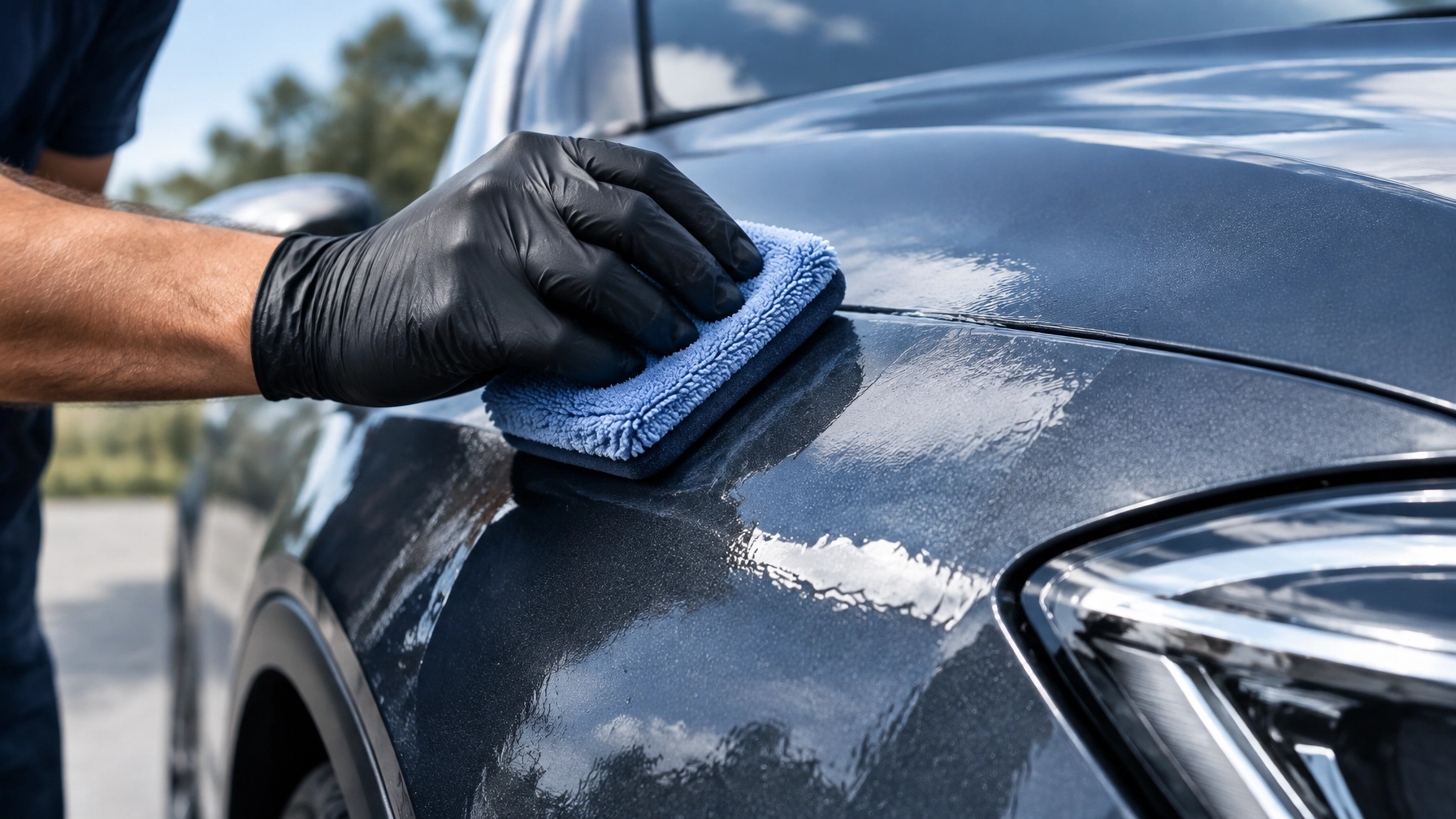
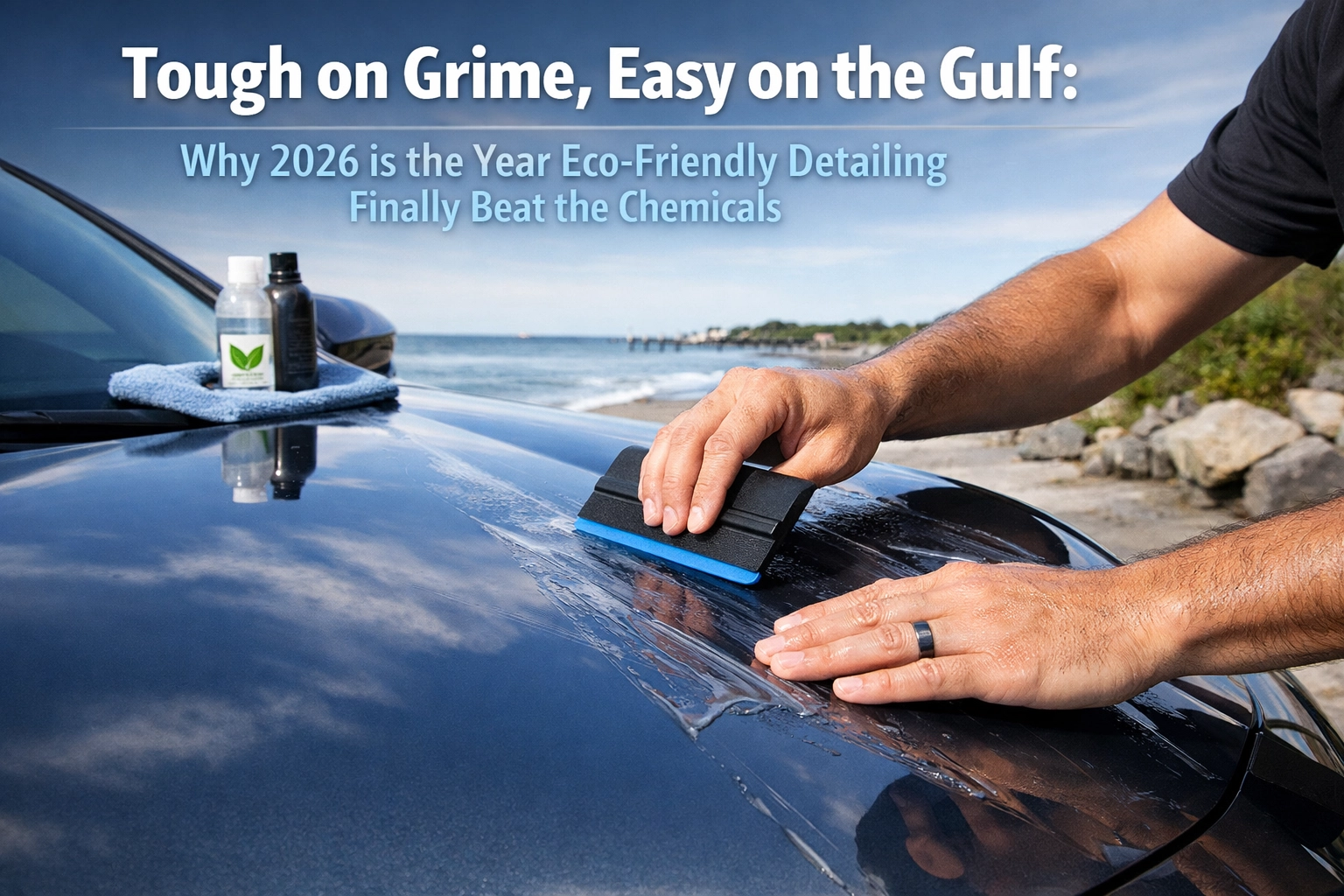
For years, eco-friendly detailing products carried a reputation: gentler on the environment, sure, but not quite as effective as the harsh chemicals that stripped grime from Houston vehicles battling refineries, humidity, and 95-degree asphalt. That compromise no longer exists. In 2026, biodegradable and low-VOC (volatile organic compound) formulas aren't just matching traditional detailing chemicals: they're outperforming them in measurable ways while protecting the Gulf Coast ecosystem and your vehicle's finish.
The shift happened gradually, then all at once. Advances in plant-based surfactants, enzyme technology, and water-based polymers reached a tipping point where performance and sustainability finally converged. For auto detailing Houston customers, this means professional-grade results without toxic runoff entering Galveston Bay through storm drains, without fumes that linger in your garage, and without compromising the deep gloss you expect from a premium detail.
What Changed in 2026 That Made Eco-Friendly Products Finally Work?
The breakthrough came from chemistry labs, not marketing departments. Modern biodegradable car wash soaps now use enzymatic action that breaks down organic contaminants: bug splatter, tree sap, road grime: at the molecular level. These enzymes target specific dirt compounds without stripping protective layers or oxidizing paint, something traditional phosphate-based cleaners couldn't do without collateral damage.
Plant-based degreasers using citrus terpenes and soy-derived solvents now cut through brake dust and oil residue with the same aggression as petroleum distillates, but they biodegrade within 28 days once they enter water systems. Water-based tire dressings achieve deep, satin finishes without the silicone buildup that attracts dirt and degrades rubber over time. The difference is night and day when you compare a tire dressed with modern eco-friendly formulas versus the slick, greasy look of old-school petroleum products.

For paint correction Houston services, the leap forward is even more dramatic. Volatile organic compounds: the chemicals responsible for that sharp "new car cleaner" smell: are down 85% in professional-grade products. This matters in enclosed spaces where traditional formulas off-gassed for hours after application. Low-VOC ceramic coatings now bond and protect without leaving residue or harsh solvent smell, while pH-neutral shampoos lift road film without the respiratory irritation associated with older formulas.
Do Eco-Friendly Products Actually Hold Up to Houston's Brutal Climate?
Yes. Absolutely.
Houston's combination of UV exposure, humidity that hovers near 90% during summer months, and temperature swings tests every detailing product to its limits. Traditional chemical cleaners worked through brute force: aggressive solvents that removed everything, including protective wax layers and sometimes clear coat integrity with repeated use. Eco-friendly formulas in 2026 work smarter, not harder.
Water-based ceramic boosters and spray sealants now bond to paint through cross-linking polymers that cure in ambient humidity rather than fighting against it. This makes them ideal for Gulf Coast conditions where moisture is constant. These formulas enhance existing automotive ceramic coating protection without the harsh prep chemicals that once required respirators and ventilation fans.
Waterless wash solutions: critical for in-shop paint protection in Houston services where water access isn't always guaranteed: now use encapsulation technology that surrounds dirt particles and lifts them away from the paint surface without scratching. The lubricating agents are plant-derived, and they work in direct sunlight without streaking or flash-drying, conditions that would ruin traditional spray-and-wipe products.
Why Does This Matter for Galveston Bay and the Gulf Ecosystem?
Every time a vehicle gets washed, detailing chemicals travel. Traditional auto detailing products contain ammonia, phosphates, and petroleum-based solvents that are toxic to aquatic life. A single conventional wash at home can send 100 gallons of contaminated water directly into storm drains: drains that feed into Buffalo Bayou, the Houston Ship Channel, and eventually Galveston Bay without filtration.

The Gulf ecosystem is already under pressure from industrial runoff, agricultural chemicals traveling down the Mississippi watershed, and seasonal dead zones caused by nutrient pollution. Adding detailing chemicals to that load was always unnecessary; it just took until 2026 for biodegradable alternatives to prove they could deliver equal or superior results.
Modern eco-friendly detailing products break down naturally within weeks rather than persisting in sediment for years. They don't disrupt the endocrine systems of marine life. They don't contribute to algae blooms. For customers in Pearland, Pasadena, or League City: areas where residential runoff directly impacts Clear Creek and Clear Lake: choosing detailing services that use these products means protecting waterways where families fish, boat, and swim.
How Do Low-VOC Formulas Improve Health Without Sacrificing Performance?
Volatile organic compounds don't just harm the environment: they affect anyone breathing them. Traditional detailing products released VOCs that caused headaches, respiratory irritation, and long-term exposure risks for professional detailers who worked with them daily. Customers who had their vehicles detailed often complained about lingering chemical smells that took days to dissipate.
Low-VOC and zero-VOC formulas in 2026 eliminate that problem while maintaining cleaning power. Paint cleaners now use bio-based surfactants derived from coconut and corn that lift dirt through mechanical action rather than chemical dissolution. Leather conditioners use natural oils: jojoba, lanolin, carnauba: that condition and protect without synthetic fragrance additives or petroleum carriers.

For paint correction Houston work, this shift is transformative. Families with young children no longer need to worry about residual chemicals on surfaces kids touch. Drivers with respiratory sensitivities can have their vehicles detailed without triggering reactions. Professional detailers: like the team at Ceramic Enthusiasts: work healthier and safer without sacrificing the deep-clean results customers expect.
Can Waterless and Low-Water Methods Really Clean a Houston Commuter Vehicle?
Absolutely, and with less risk of water spots than traditional bucket washes.
Houston's water carries high mineral content: calcium, magnesium, dissolved salts: that leave spots and hazing on paint, glass, and wheels when it evaporates. Traditional washing methods used 40-100 gallons per vehicle, and every gallon that dried on the surface left mineral deposits that required additional polishing to remove.
Waterless and low-water detailing products use advanced polymers that encapsulate dirt particles, allowing them to be wiped away without scratching while simultaneously leaving behind a layer of protection. These formulas require as little as 4-8 ounces per vehicle, dramatically reducing water consumption and eliminating mineral deposit concerns entirely.
For in-shop paint protection in Houston operations serving customers in Friendswood or South Houston, this means delivering showroom-quality results in shop bays, parking garages, and office lots without requiring water hookups. The convenience factor is significant, but so is the environmental benefit: zero chemical runoff, zero water waste, and zero mineral spotting.

What Does This Mean for Professional Detailing in 2026 and Beyond?
The industry reached an inflection point. Eco-friendly detailing products now offer superior results in measurable ways: better surface lubricity during paint correction, cleaner working environments, longer-lasting protection, and zero compromise on gloss or hydrophobic properties. There's no longer a reason to choose traditional chemicals except for habit or ignorance.
At Ceramic Enthusiasts, every service: from exterior detailing to wheel ceramic coating: uses biodegradable, low-VOC products that meet professional-grade performance standards while protecting the Gulf ecosystem. This isn't marketing greenwashing. It's chemistry that works better, lasts longer, and causes no harm to waterways, air quality, or human health.
For Houston drivers who care about their vehicle's finish and the environment where they live, 2026 is the year that compromise disappeared. Eco-friendly detailing finally beat the chemicals at their own game, and there's no going back.
Ready to experience the difference modern, eco-conscious detailing makes? Connect with Ceramic Enthusiasts at 281-626-9384 to schedule your service and see what professional-grade results look like without the environmental cost.