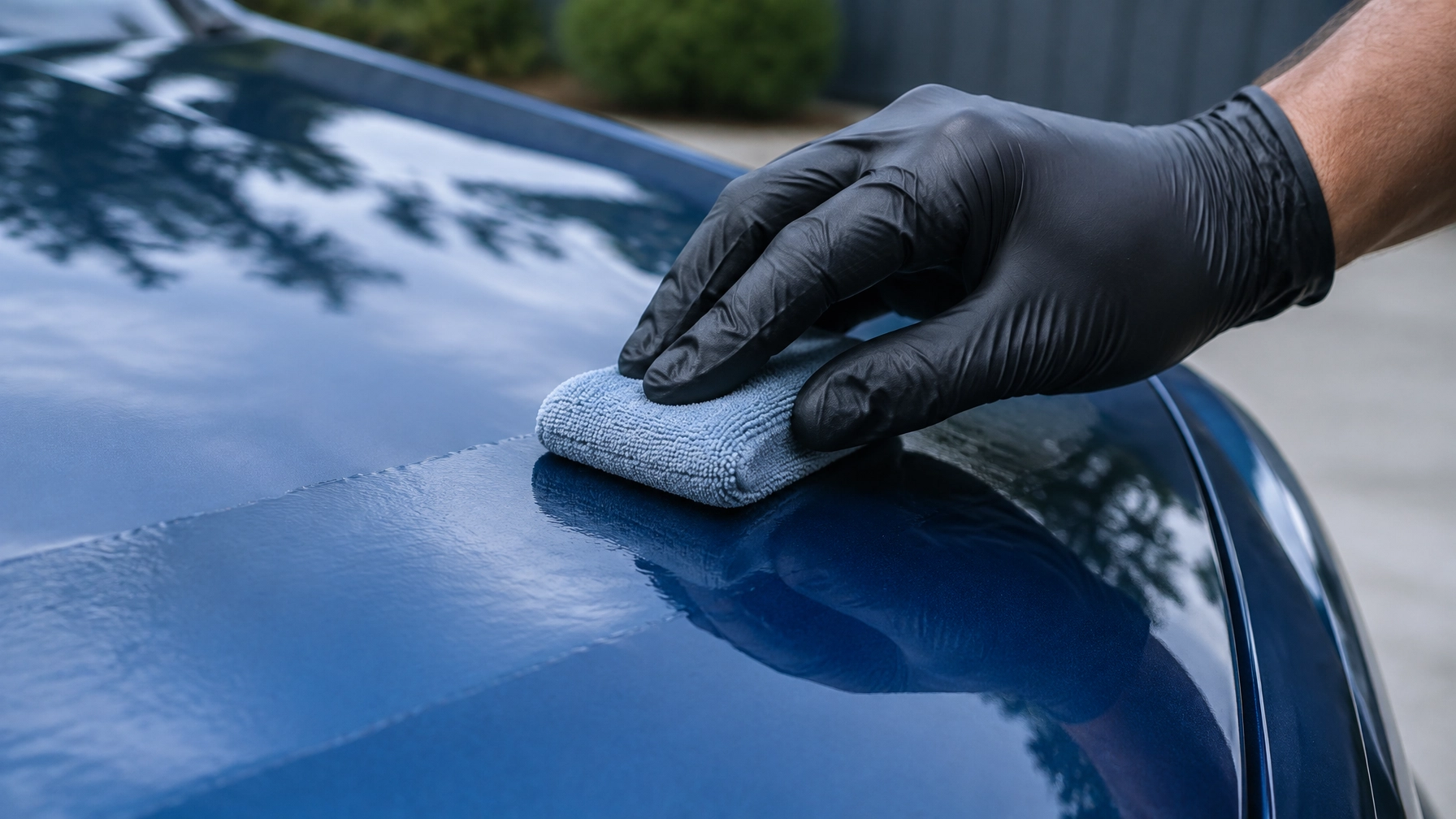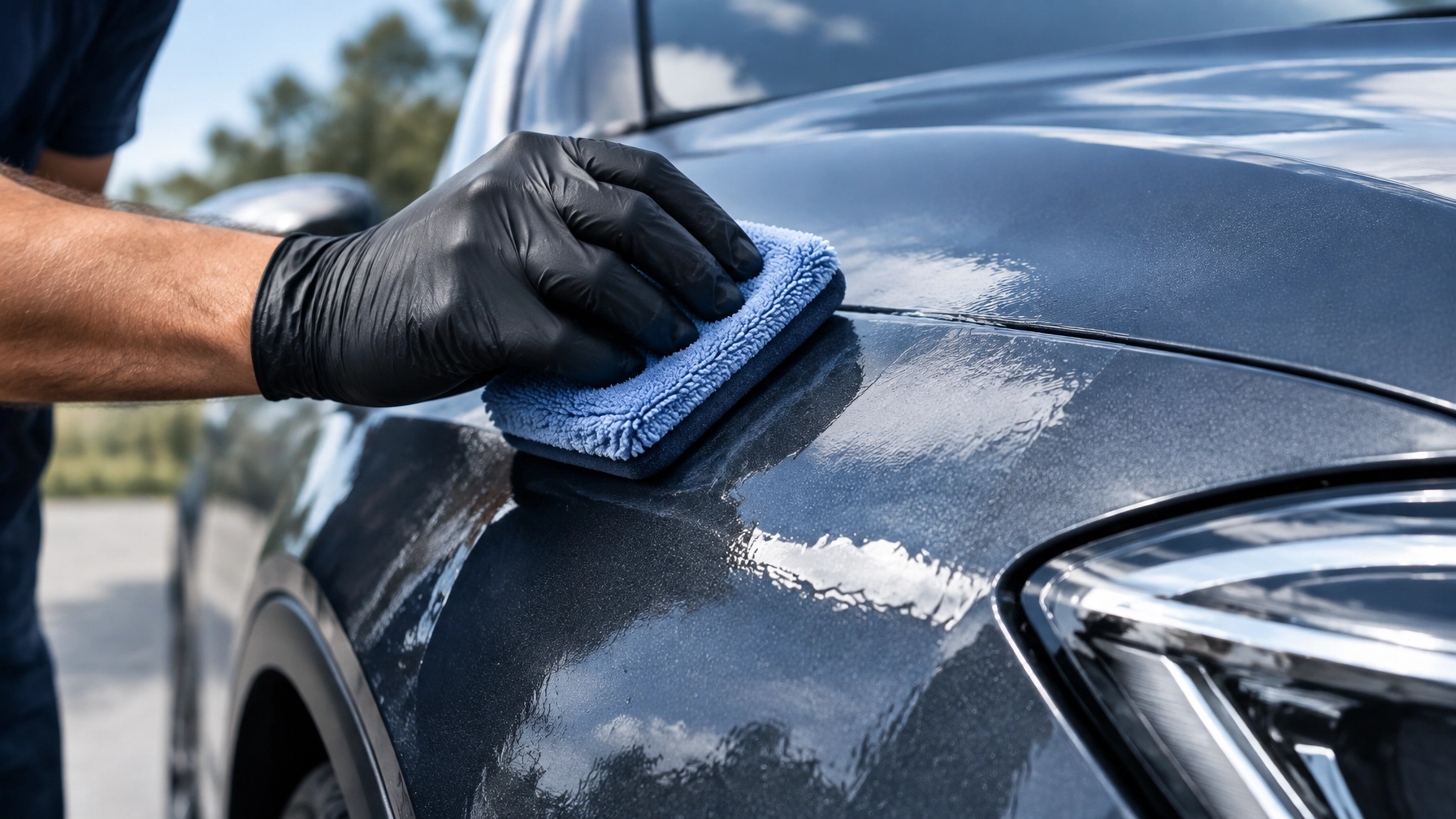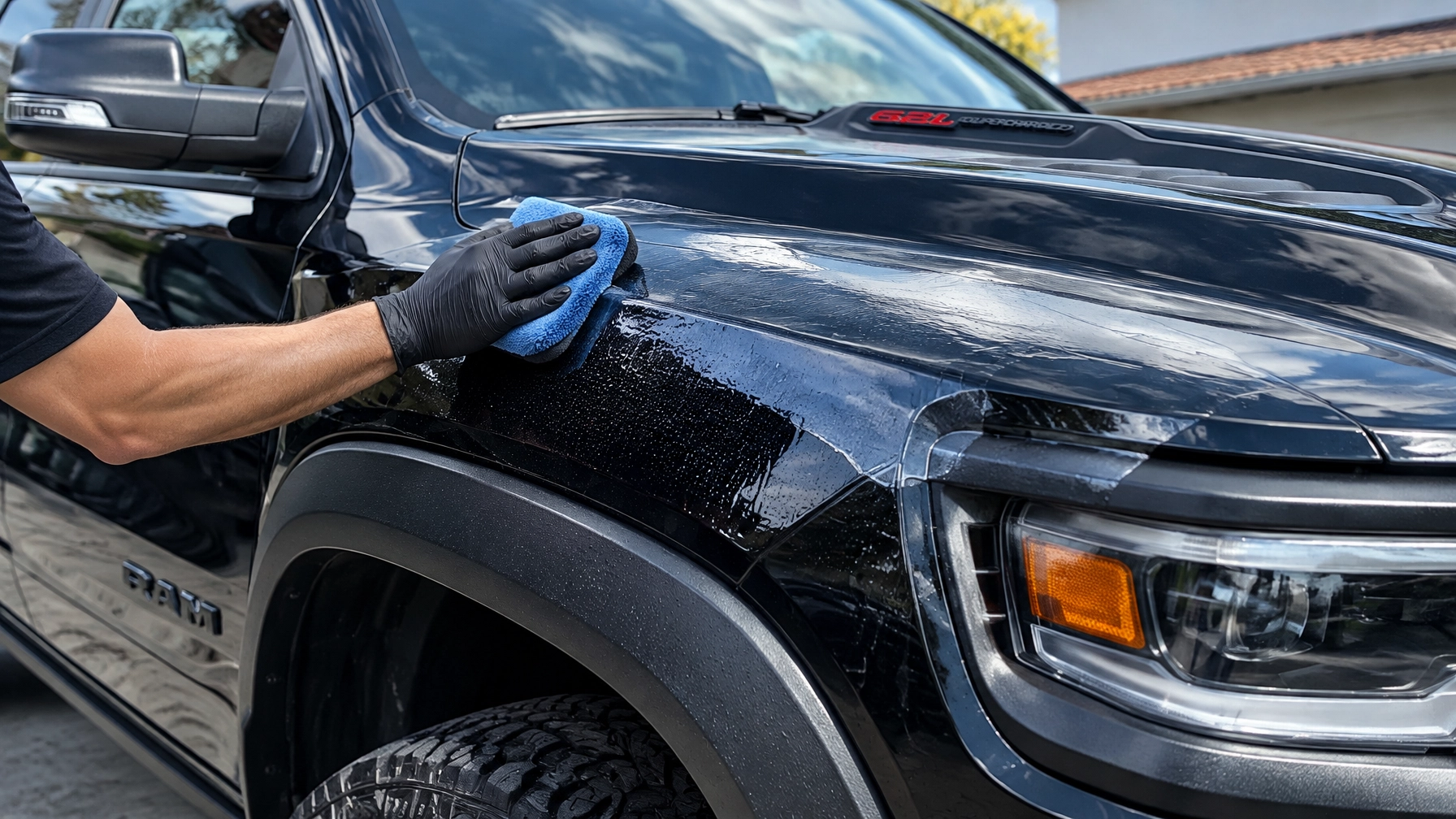
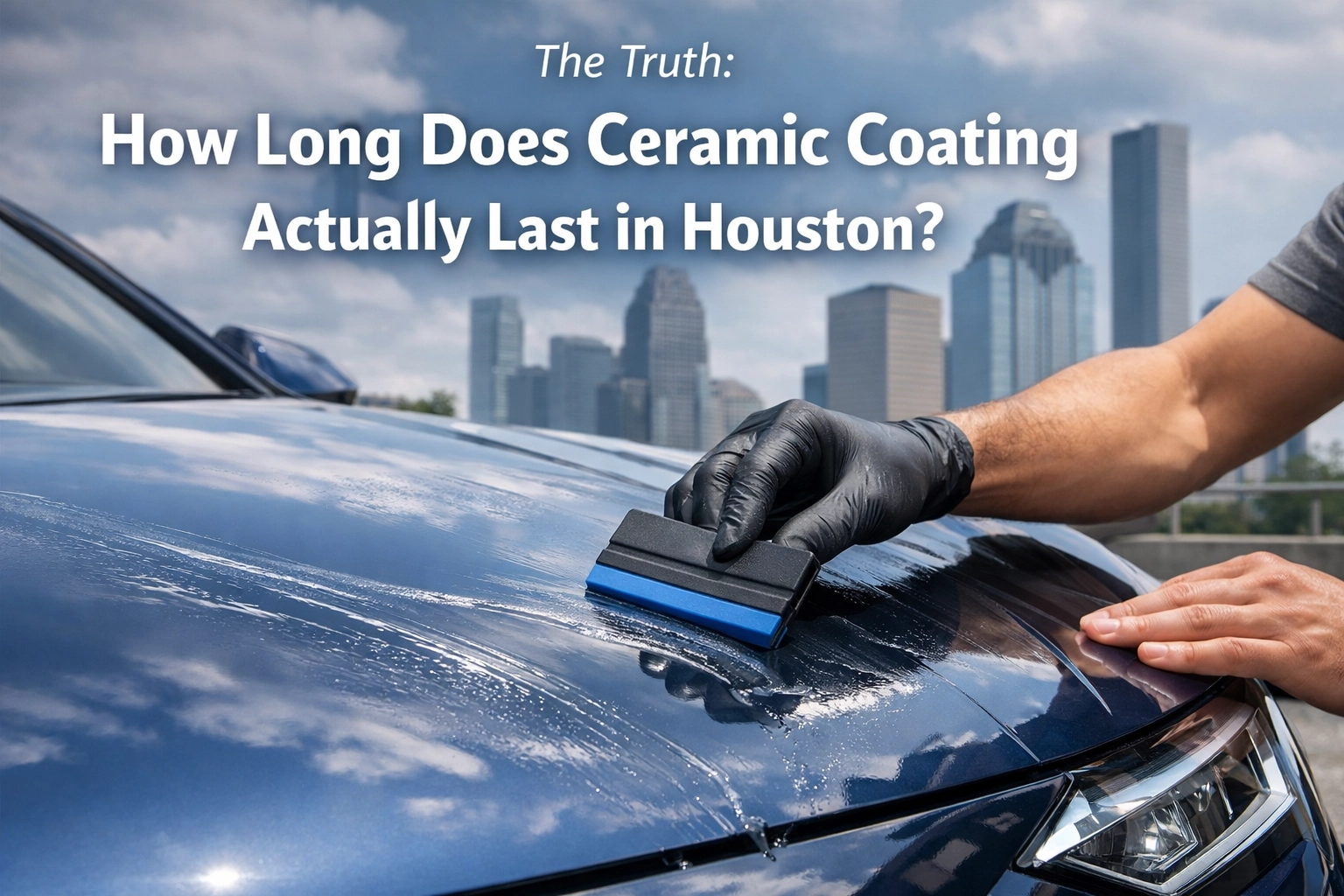
Here's the straight answer: professional-grade ceramic coating lasts between 2 to 5 years in Houston, but that range isn't random. The exact lifespan depends on three major factors, the quality of the product, how well it's applied, and how you maintain it afterward. In Houston's brutal climate, where summer temperatures push past 95 degrees and humidity hovers between 70-90%, your coating faces challenges most other regions never see.
As an owner-operated shop serving Houston, Pearland, and surrounding areas for over a decade, we've seen firsthand what separates coatings that fade after 18 months from those still performing strong at year four. The difference comes down to understanding what you're actually protecting against.
What Actually Determines How Long Ceramic Coating Lasts?
Product quality sits at the top of the list. High-grade ceramic coatings form a chemical bond with your paint at the molecular level, creating a semi-permanent protective layer that can withstand years of exposure. Budget coatings, the kind you find at auto parts stores, might give you 6 to 12 months before they start breaking down. Premium formulations, applied correctly, deliver that full 5-year performance window.

Surface preparation matters just as much as the coating itself. Before any ceramic product touches your paint, the surface needs complete decontamination. That means clay treatment to remove embedded contaminants, followed by paint correction to eliminate swirls and scratches. If you apply coating over compromised paint, you're essentially locking in damage. The coating will bond, but it won't perform as designed because the foundation isn't solid.
Application technique makes or breaks durability. Professional installers work in controlled environments where temperature and humidity stay consistent. We apply coatings in thin, even layers, allowing proper flash time between coats so the product cures completely. Rush the process or apply too thick, and you'll see premature failure.
How Does Houston's Climate Affect Ceramic Coating Longevity?
Houston accelerates coating degradation faster than almost any climate in the country. The combination of extreme heat, relentless UV exposure, and high humidity creates a stress test most coatings never experience elsewhere. Add in the industrial fallout from refineries and shipping corridors, and your vehicle's exterior faces constant attack.
UV rays break down chemical bonds over time. That 95-degree heat intensifies the process, while humidity prevents proper cooling during the hottest parts of the day. Traditional wax needs reapplication every 2-3 months in these conditions. Ceramic coating stands up to this punishment for years, not months, but it still degrades faster here than it would in, say, Colorado or Oregon.

Chemical exposure compounds the problem. Bird droppings become more acidic in heat. Industrial fallout settles on paint and begins etching within hours if left uncleaned. Houston's thunderstorms alternate with baking sun, creating wet-dry cycles that test the coating's hydrophobic properties dozens of times each month.
Which Type of Ceramic Coating Lasts Longest in Texas Heat?
Professional-grade coatings with 9H hardness ratings deliver the longest service life in Houston's demanding environment. These formulations contain higher concentrations of silicon dioxide (SiO2) and sometimes include titanium dioxide (TiO2) for enhanced UV resistance. The molecular structure creates tighter bonds with paint, forming a barrier that resists chemical etching and thermal stress.
Multi-layer systems outperform single-coat applications. Our automotive ceramic coating process applies a base layer for bonding, followed by top coats that enhance gloss and hydrophobic performance. This layered approach distributes stress across multiple protection levels instead of relying on a single film.
Graphene-enhanced coatings represent the newest evolution. These formulations add graphene platelets to traditional ceramic chemistry, improving heat dissipation and reducing water spotting: both critical for Houston drivers. The graphene structure channels heat away from paint more efficiently, reducing thermal cycling damage during those 100-degree afternoons.
For vehicles that see heavy exposure: think daily highway commutes through Pasadena or League City: we also discuss Liquid Paint Protection Film as a complementary option. LPPF, hand-applied to high-impact areas, provides physical protection against chips and scratches, while ceramic coating handles chemical and UV defense across the entire vehicle.

Can Maintenance Really Extend Your Coating's Life?
Absolutely. The difference between a coating lasting 2 years versus 5 years often comes down to how you care for it. Ceramic coating isn't a "set it and forget it" solution: it requires basic maintenance to perform as designed. The good news? That maintenance is minimal compared to traditional protection methods.
Washing technique matters more than frequency. Use the two-bucket method with pH-neutral car soap. Avoid automatic car washes with harsh chemicals or abrasive brushes: these degrade coating faster than Houston weather ever will. Hand washing every two weeks keeps contaminants from bonding to the surface and gives you a chance to inspect the coating's condition.
Spot decontamination extends life significantly. Bird droppings, bug splatter, and tree sap contain acids that etch through coating over time. Remove these within 24-48 hours, and your coating maintains full protection. Let them sit for days or weeks, and you'll see premature wear in those specific areas.

Periodic maintenance boosts restore performance. After 12-18 months, we recommend a maintenance detail that includes light decontamination and a ceramic spray booster. This process removes bonded contaminants the coating has captured and refreshes the hydrophobic top layer. Think of it like changing your oil: regular maintenance prevents bigger problems down the road.
Garage parking helps, but isn't essential. If you can keep your vehicle out of direct sun and rain, you'll add months to your coating's life. But we work with plenty of clients in Friendswood and South Houston who park outside full-time, and their coatings still deliver solid 3-4 year performance with proper maintenance.
What Happens When Ceramic Coating Starts to Fail?
You'll notice the signs before complete failure occurs. Water stops beading as tightly: instead of forming tight spheres that roll off immediately, you'll see larger, flatter beads that take longer to shed. This indicates the hydrophobic layer is thinning but doesn't mean the underlying protection is gone. Many coatings still provide UV and chemical resistance even after water behavior changes.
The gloss diminishes gradually. That mirror-like depth you noticed right after application slowly fades to a more satin appearance. Paint remains protected, but the visual "pop" decreases. If maintaining that showroom finish matters, this signals it's time for reapplication.

Contaminants bond more easily to the surface. A properly functioning coating repels dirt, making wash-off simple. As the coating degrades, you'll feel roughness when running your hand over paint: that's bonded contamination the coating can no longer reject. Clay treatment removes these contaminants, but increasing frequency indicates the protective barrier is thinning.
Complete coating failure is rare with quality products. Most coatings don't suddenly "stop working": they gradually transition from peak performance to reduced effectiveness over months. This gives you time to plan recoating before your paint goes unprotected.
How Does Ceramic Compare to Other Protection Options?
Traditional wax requires reapplication every 6-12 weeks in Houston's climate. The carnauba or synthetic polymers simply can't withstand the UV exposure and temperature swings. You're looking at 4-6 applications per year to maintain protection. Ceramic coating eliminates that cycle for 2-5 years.
Paint sealants offer better durability than wax: usually 4-6 months: but still fall short of ceramic performance. They create a chemical bond with paint similar to ceramic but lack the hardness and heat resistance. In Houston summers, sealants break down quickly under sustained 95+ degree temperatures.
Liquid Paint Protection Film provides physical defense ceramic cannot match. The hand-applied film absorbs impacts from road debris, preventing chips and scratches. However, it doesn't offer the same chemical and UV resistance ceramic delivers. Many clients combine both: LPPF on high-impact zones like the hood and front bumper, with ceramic coating protecting the entire vehicle from environmental damage.
The value equation favors ceramic coating for most Houston drivers. Compare 2-3 years of monthly wax applications (24-36 treatments at $50-100 each) against a single ceramic coating application that lasts 3-4 years. The ceramic route saves time and money while delivering superior protection.
Ready to protect your vehicle with coating that's actually engineered for Houston's climate? We'll walk you through product options and maintenance requirements during a consultation: no hard sell, just straightforward information so you can make the right choice. Call 281-626-9384 or schedule through our website to discuss your vehicle's specific needs.