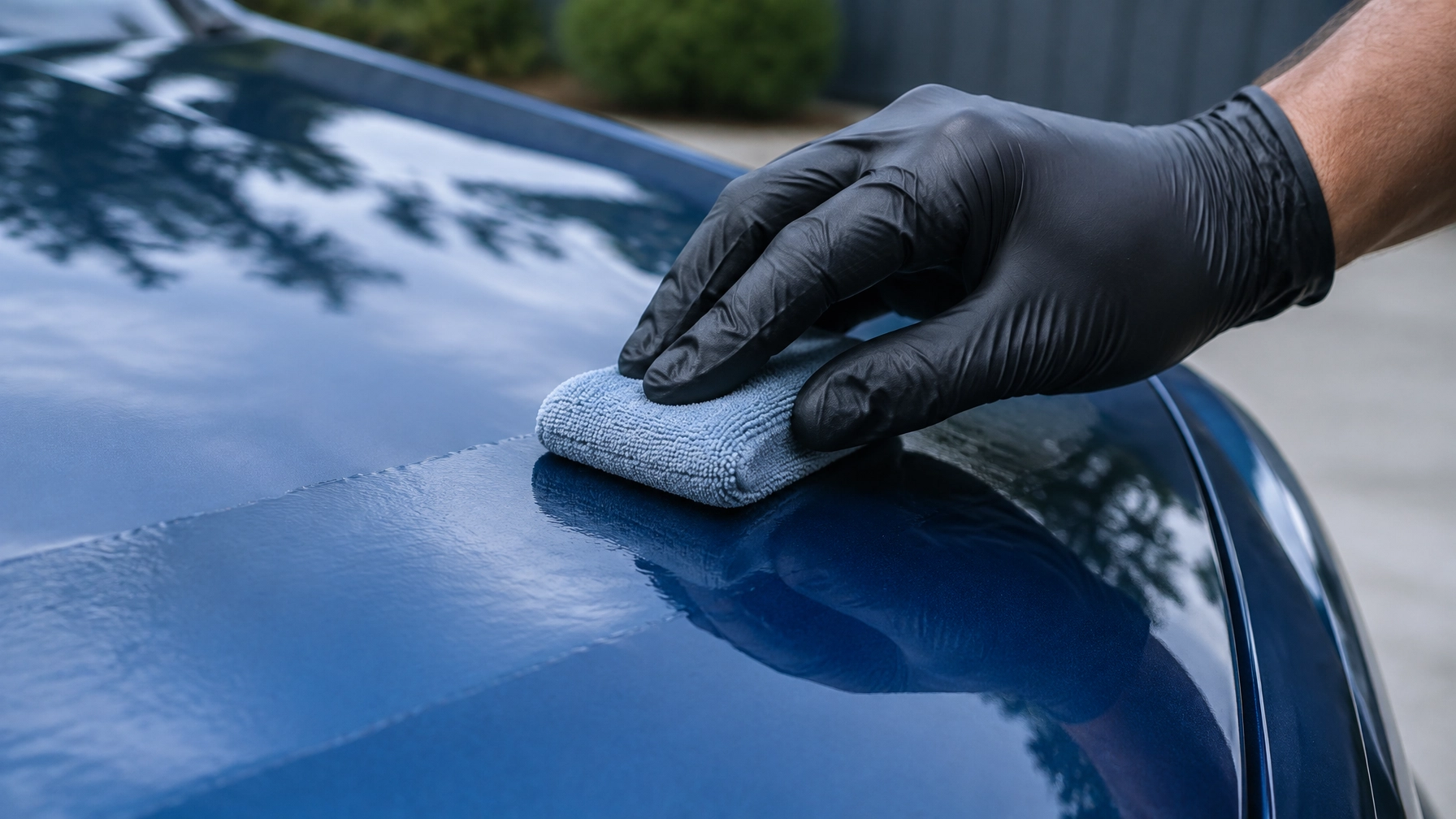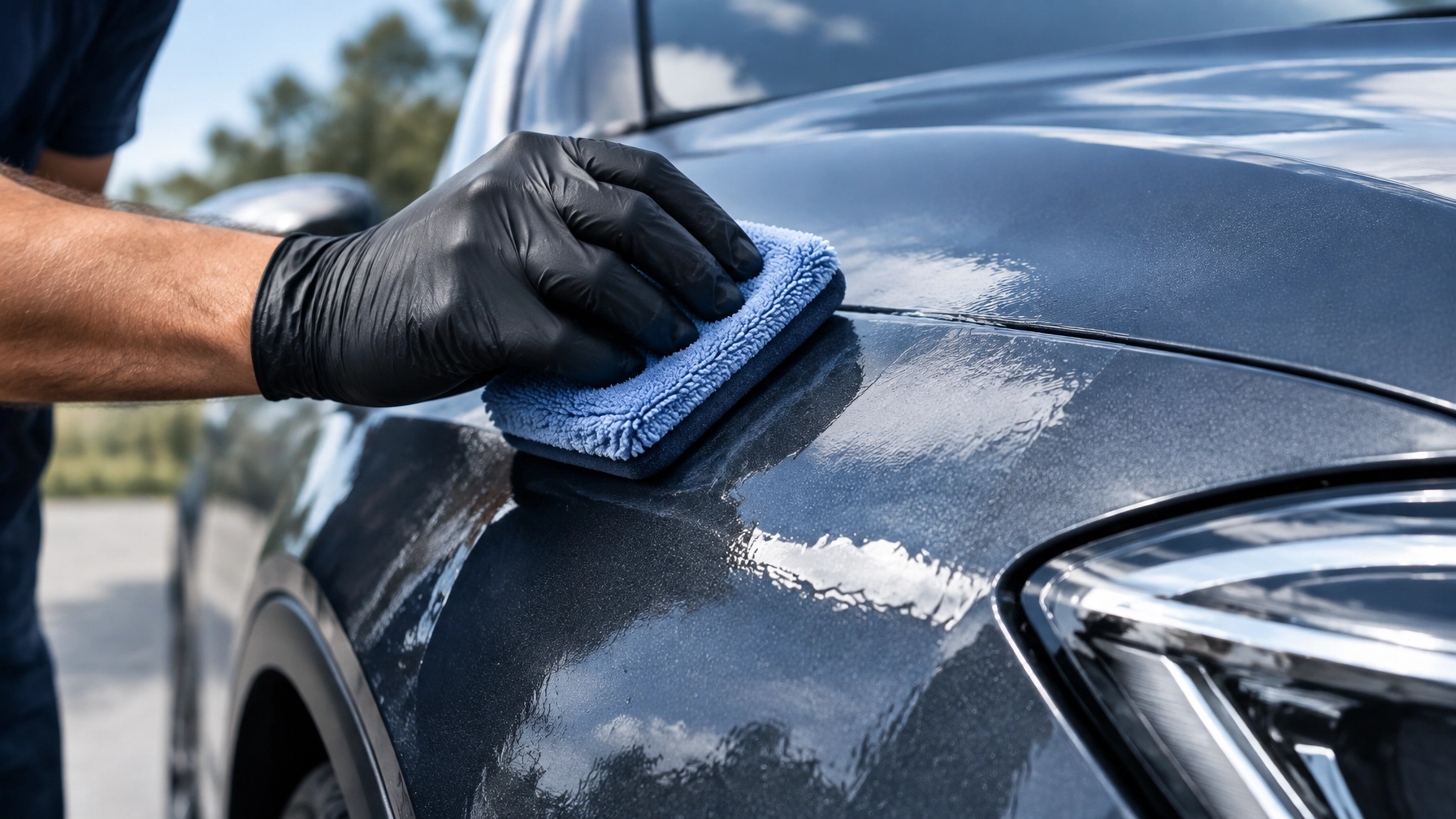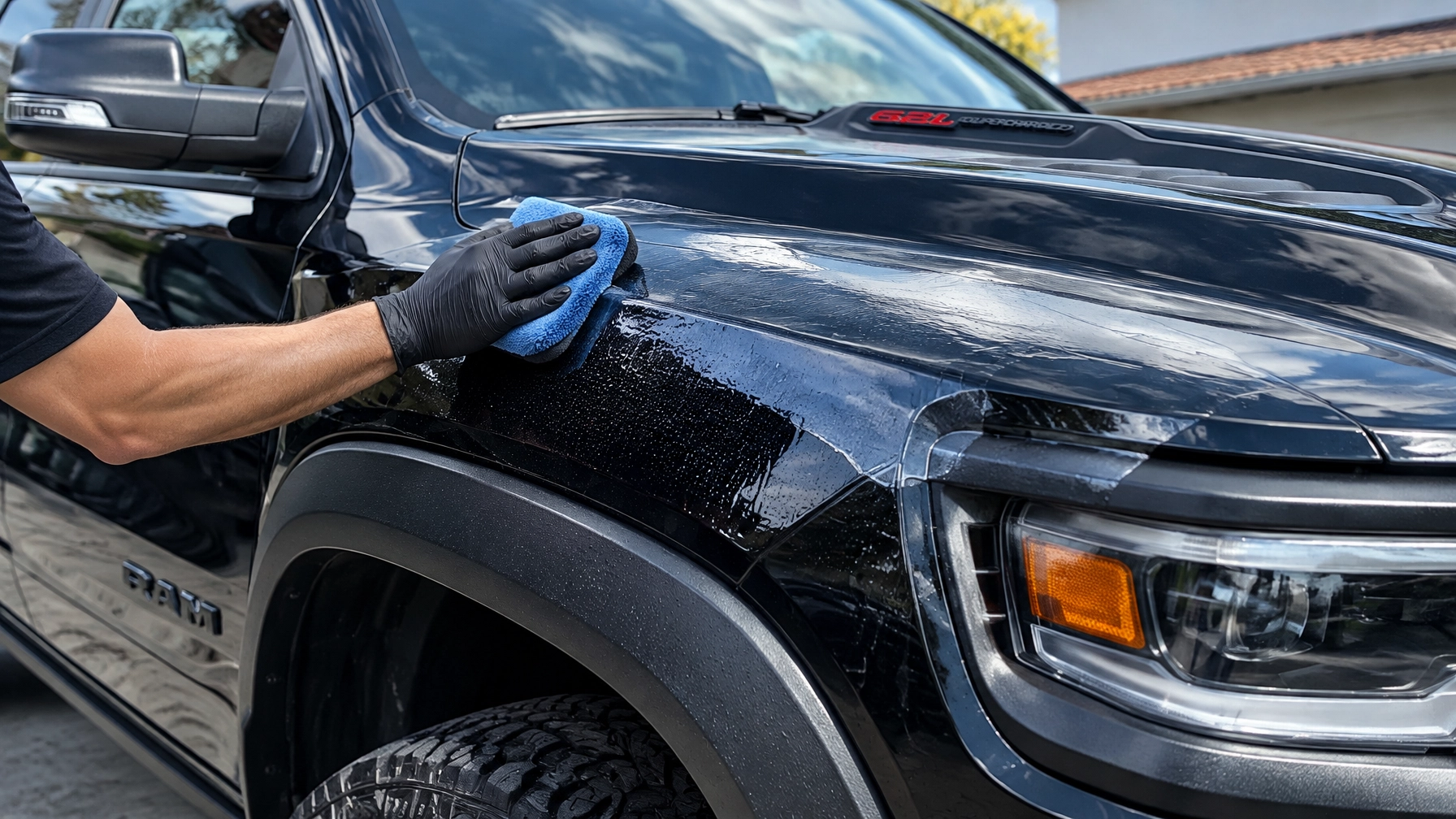

You spent anywhere from $800 to $3,000 on a ceramic coating in Houston, and now you're staring at your paint wondering: Does it need a maintenance wash? Should I apply a topper? Is the coating even working anymore?
Most people guess. Some wait until water stops beading. Others follow random timelines they found online. A few never maintain it at all and wonder why their 10-year coating failed at year three.
The smartest approach? Stop guessing entirely.
Professional tracking systems: digital logs paired with scheduled check-ups: are changing how Houston drivers maintain ceramic coatings. Instead of reactive maintenance based on visible problems, forward-thinking detailers now use documented schedules, environmental data, and inspection records to keep coatings performing exactly as promised for their full 5-10 year lifespan.
Here's how it works, why it matters in Houston's brutal climate, and what it means for the money you already invested in protection.
What Does "Digital Tracking" Actually Mean for Ceramic Coatings?
Digital tracking isn't about sensors embedded in your paint or apps that magically diagnose coating health. It's a systematic approach to maintenance documentation and scheduling.
Professional detailers who implement tracking systems maintain digital records for every client vehicle. These logs include the exact coating product applied, application date, curing conditions, baseline paint readings, and a personalized maintenance calendar based on your driving patterns and storage situation.

Instead of telling every customer "wash it every two weeks and bring it back in a year," tracked maintenance accounts for real variables. A garaged vehicle in Friendswood that sees 5,000 miles annually gets a different schedule than a daily I-45 commuter parked outdoors in Pasadena near the refineries. One faces moderate contamination; the other battles industrial fallout, UV exposure at 95+ degrees, and constant highway grime.
The tracking component ties directly to scheduled professional inspections: typically every 6-12 months depending on exposure level. During these check-ups, a detailer measures coating thickness (where applicable), tests hydrophobic performance, identifies early contamination, and logs the condition digitally. You walk away with documentation showing exactly where your coating stands and what it needs next.
This eliminates the guessing game. You know when maintenance washes are due. You know when toppers should be applied. You know if your coating is degrading faster than expected due to environmental factors you can't see.
At Ceramic Enthusiasts, we've implemented digital maintenance tracking for every ceramic coating we apply across Houston, Pearland, League City, and surrounding areas. Clients receive personalized schedules, and we maintain records of every service performed. It's the difference between hoping your investment lasts and ensuring it does.
How Long Does Ceramic Coating Last in Houston: With and Without Tracking?
The advertised lifespan for professional-grade ceramic coatings ranges from 5 to 10 years. That's accurate under one condition: proper maintenance.
Without tracking and scheduled upkeep, most coatings fail between years 2 and 4 in Houston's climate. The coating doesn't suddenly disappear: it degrades gradually as contaminants bond to the surface, UV exposure breaks down the top layer, and neglected maintenance allows damage to compound. Water beading diminishes. Gloss fades. The hydrophobic effect weakens until you're essentially driving around with no protection despite still having residual coating material on the paint.

With tracked maintenance, that same coating consistently reaches its full rated lifespan: sometimes longer. The reason is simple: you're addressing contamination before it etches. You're applying toppers before the base layer shows wear. You're correcting issues during professional inspections instead of discovering them years later when the damage is permanent.
Houston's environmental challenges make tracking even more critical. High humidity accelerates water spotting. Summer heat intensifies UV degradation. Refineries near Pasadena and South Houston deposit airborne contaminants that bond aggressively to surfaces. Stop-and-go traffic along Beltway 8 means constant brake dust accumulation on wheels and lower panels.
A tracked maintenance schedule accounts for all of this. Your personalized calendar might call for decontamination washes every 3-4 months instead of the standard 6-month interval if you park outdoors near industrial zones. It might recommend ceramic toppers twice annually instead of once if your vehicle sees heavy sun exposure. These adjustments, documented and scheduled digitally, are what separate a coating that lasts 3 years from one that performs flawlessly for 8.
Want to maximize the lifespan of your investment? Start with professional application and follow with tracked maintenance. Schedule a consultation at 281-626-9384 to discuss your driving conditions and get a personalized maintenance plan.
What Happens When You Skip Professional Check-Ups?
Skipping professional inspections doesn't cause immediate visible damage. That's the problem.
Ceramic coatings fail slowly. Contamination builds up in layers. UV exposure weakens molecular bonds gradually. Water spots etch microscopic patterns that expand over months. By the time you notice reduced beading or fading gloss, the coating has already lost significant protective capability: and in many cases, the damage to the underlying paint has begun.

Professional check-ups catch these issues early. A detailer inspects for bonded contaminants invisible to the untrained eye: iron particles embedded from brake dust, tree sap that's begun etching, industrial fallout forming micro-level bonds. These contaminants are removed through targeted decontamination processes before they compromise the coating or penetrate to the clear coat.
The inspection also evaluates coating performance. Water contact angle tests reveal whether the hydrophobic layer is still functioning at full strength. Gloss meter readings show if UV degradation has started affecting the top surface. These aren't subjective assessments: they're measurable data points logged digitally and compared against baseline readings from application day.
Without these check-ups, you're driving blind. You might think everything is fine because the car still looks good from 10 feet away, but underneath, the coating is losing its battle against Houston's heat, humidity, and contamination. By the time problems become obvious, you're looking at paint correction and reapplication instead of simple maintenance.
Think of it like skipping oil changes. The engine doesn't seize after one missed interval: it degrades incrementally until catastrophic failure. Ceramic coatings work the same way. Maintenance intervals exist for a reason, and professional inspections ensure those intervals are tailored to your specific exposure conditions rather than generic timelines.
How Do Maintenance Logs Protect Your Investment?
A digital maintenance log is proof of care. When you eventually sell your vehicle, documented ceramic coating maintenance adds measurable resale value. Buyers see a vehicle that was protected from day one and maintained according to professional standards: not just another used car with questionable history.

More immediately, logs protect your coating warranty. Many professional-grade coatings include warranty coverage for defects or premature failure: but that warranty requires documented maintenance. If your coating underperforms and you can't prove you followed the recommended care schedule, the warranty is void. Digital logs maintained by your detailer eliminate any dispute about whether maintenance was performed correctly and on time.
Beyond warranties, logs also reveal performance trends. If your coating shows contamination buildup faster than expected during consecutive inspections, that data indicates something in your environment or routine needs adjustment. Maybe your parking situation changed. Maybe you switched car washes and the new one uses harsher chemicals. The log reveals patterns that help refine your maintenance plan before problems become permanent.
At Ceramic Enthusiasts, every client receives access to their vehicle's complete service history. Application details, maintenance dates, inspection findings, and upcoming recommended services are all documented and accessible. You're never guessing about when your last decontamination wash happened or whether you're overdue for a ceramic topper. The information is tracked professionally and available on demand.
This level of documentation is particularly valuable for high-end vehicles where paint protection represents a significant investment. A documented maintenance history for a coating on a luxury vehicle can add hundreds to thousands in resale value: buyers pay premium prices for verifiable care, and tracked maintenance provides exactly that verification.
What Does a Tracked Maintenance Schedule Actually Look Like?
A personalized ceramic coating maintenance schedule adjusts based on specific factors: how you use your vehicle, where it's stored, and what environmental challenges it faces daily in the Houston area.
For a vehicle garaged in Friendswood with moderate driving (under 10,000 miles annually), the tracked schedule might include:
- Monthly: Basic maintenance washes using pH-neutral products
- Every 3 months: Ceramic spray topper application to refresh hydrophobic properties
- Every 6 months: Professional decontamination wash to remove bonded contaminants
- Annually: Full inspection with gloss readings, water contact angle tests, and targeted spot treatment
For a daily driver parked outdoors near Pasadena refineries, commuting I-45 and Beltway 8 (15,000+ miles annually), the schedule intensifies:
- Bi-weekly: Maintenance washes to prevent contamination buildup
- Every 6-8 weeks: Ceramic spray topper to compensate for increased UV and contamination exposure
- Every 3-4 months: Professional decontamination with iron removal and clay treatment
- Every 6 months: Full professional inspection with possible localized paint correction if needed
These aren't generic recommendations: they're schedules built from documented baseline data and adjusted based on inspection findings over time. If your 6-month check-up reveals heavier contamination than expected, the schedule adjusts. If your coating is performing better than projected, you might extend certain intervals slightly.

The tracking system also sends reminders before each scheduled service. You're not responsible for remembering when your last decontamination was or calculating when the next ceramic topper is due. The system handles that, and you simply respond when it's time for the next service.
This approach transforms ceramic coating maintenance from reactive guesswork into proactive care. You're not waiting for problems to appear: you're preventing them through scheduled interventions timed to your vehicle's specific needs.
Interested in tracked maintenance for your ceramic coating? Whether you already have a coating that needs professional oversight or you're considering a new application with maintenance included, connect with Ceramic Enthusiasts at 281-626-9384. We'll assess your vehicle's exposure conditions and build a personalized maintenance schedule that ensures your investment performs exactly as promised for its full rated lifespan.
The Real Cost of Guessing vs. The Value of Tracking
Here's the reality: a ceramic coating without tracked maintenance might last 2-3 years before needing reapplication. That same coating with proper tracked maintenance lasts 7-10 years.
If you spent $1,500 on a quality coating and it fails at year three, your cost per year is $500. If tracked maintenance costs you $300-400 annually but extends the coating's life to eight years, your total cost (coating + maintenance) is around $3,900 over eight years: roughly $487 per year. Nearly identical annual cost, but the tracked approach gives you five additional years of protection before needing expensive reapplication.

Without tracking, you'll likely need full reapplication twice during that same eight-year period: costing $3,000+ just in reapplication fees, not counting the damage to your paint that occurred during the gaps when coating protection had failed.
The value proposition is clear: tracked maintenance protects both your coating investment and the paint underneath. Professional check-ups catch issues early when they're inexpensive to fix. Digital logs prove maintenance compliance for warranty coverage. Personalized schedules ensure you're not over-maintaining (wasting money) or under-maintaining (causing premature failure).
For Houston drivers dealing with refineries, humidity, brutal summer UV, and year-round contamination, tracking isn't optional: it's the only way to ensure ceramic coating delivers its full promised value. The climate here doesn't allow for casual maintenance. Either you stay ahead of environmental damage through systematic care, or you watch your investment degrade faster than it should.
Ready to stop guessing and start protecting your investment properly? Ceramic Enthusiasts provides complete ceramic coating services with digital maintenance tracking for vehicles throughout Houston, Pearland, League City, and surrounding areas. Schedule your consultation at 281-626-9384 and get a personalized maintenance plan built around your vehicle's specific conditions( because your coating investment deserves better than guesswork.)