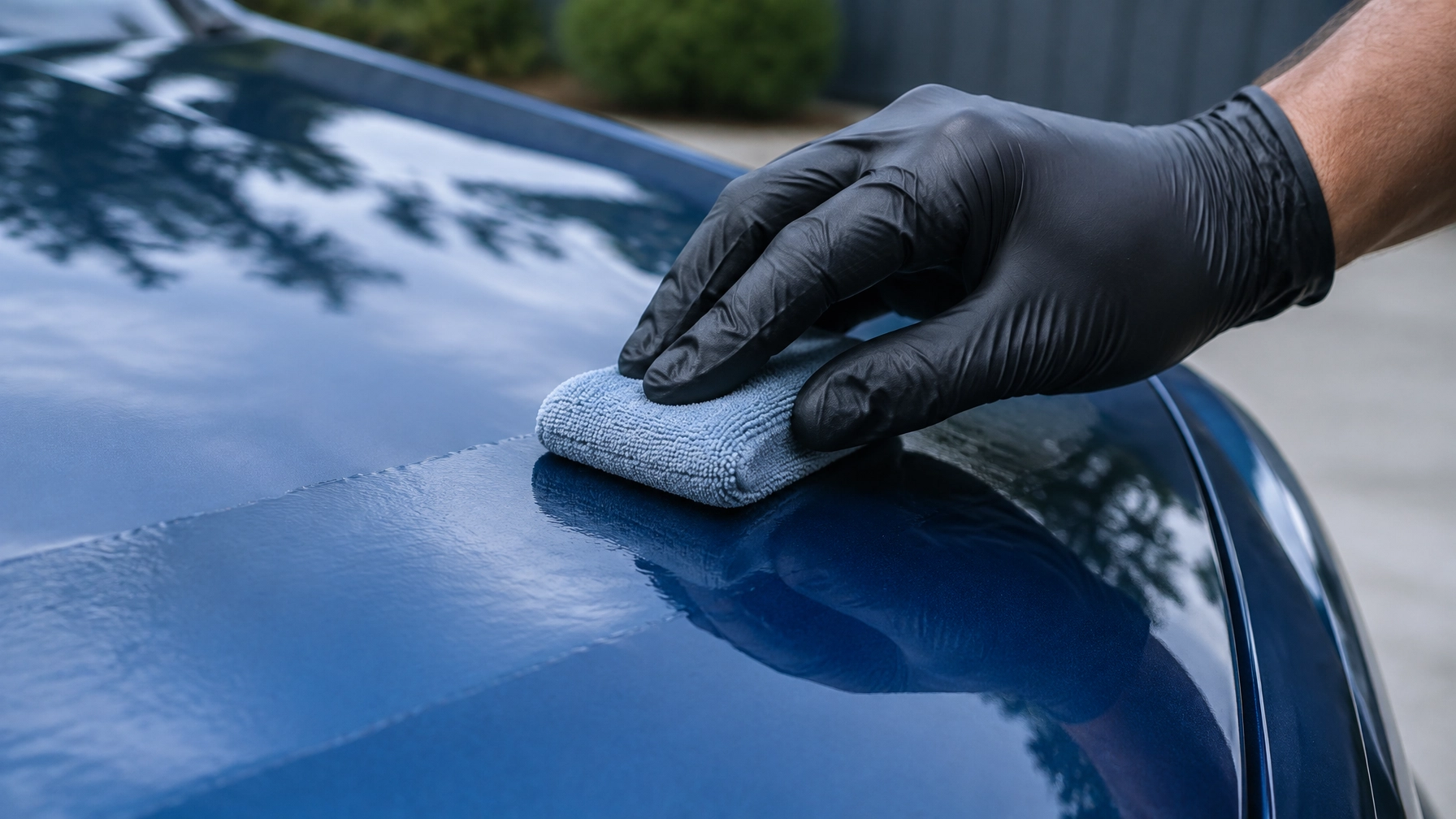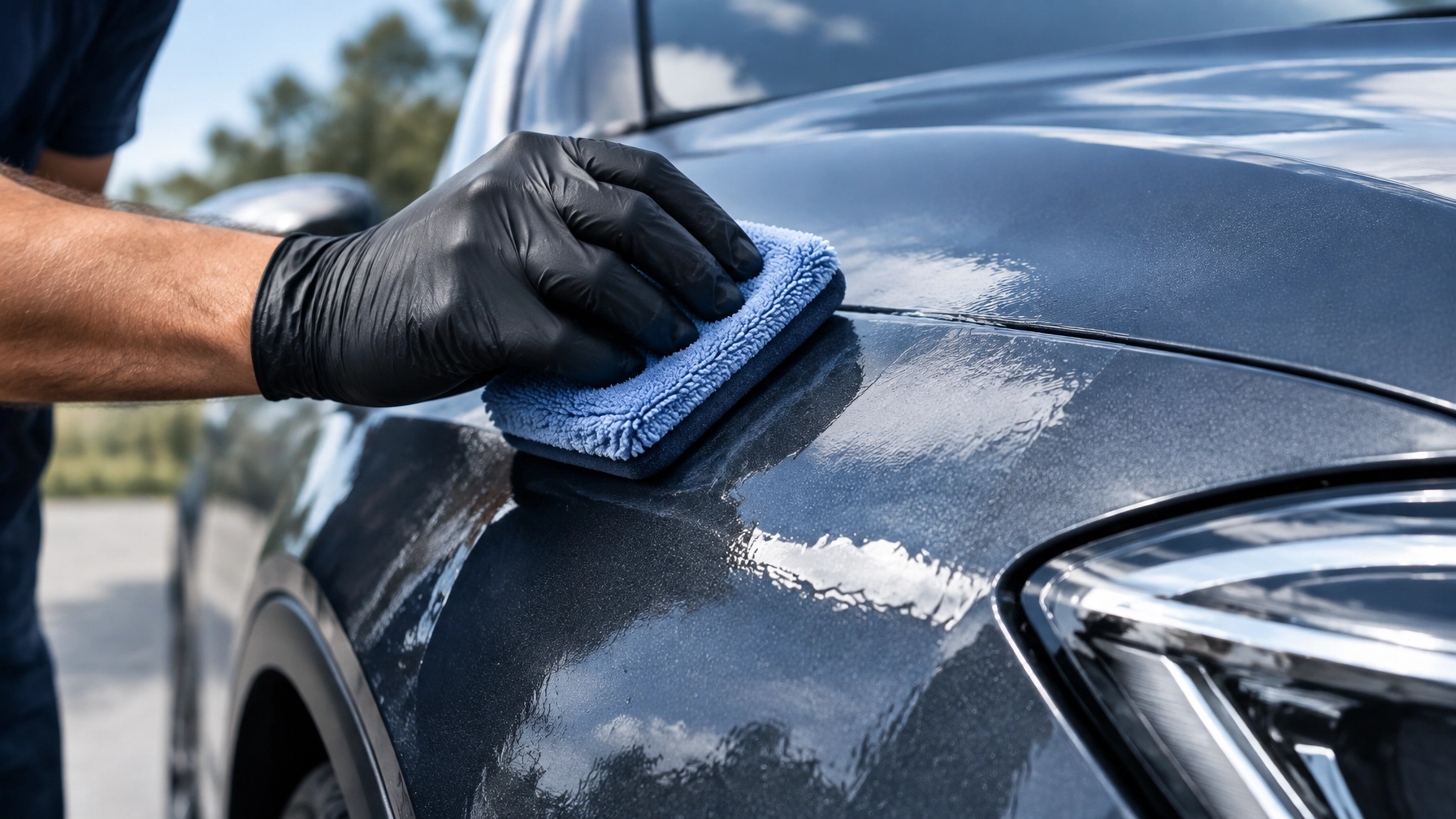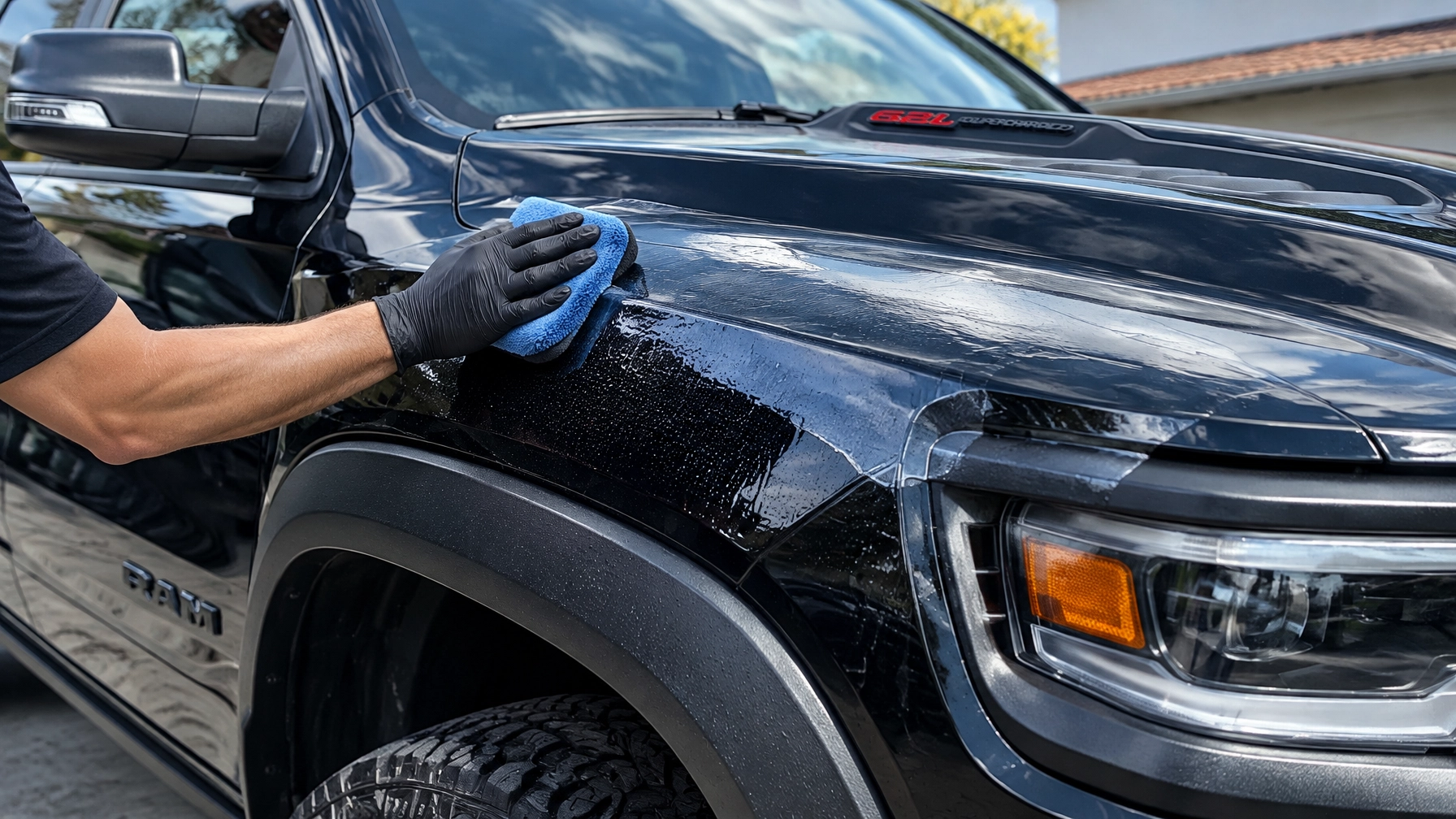
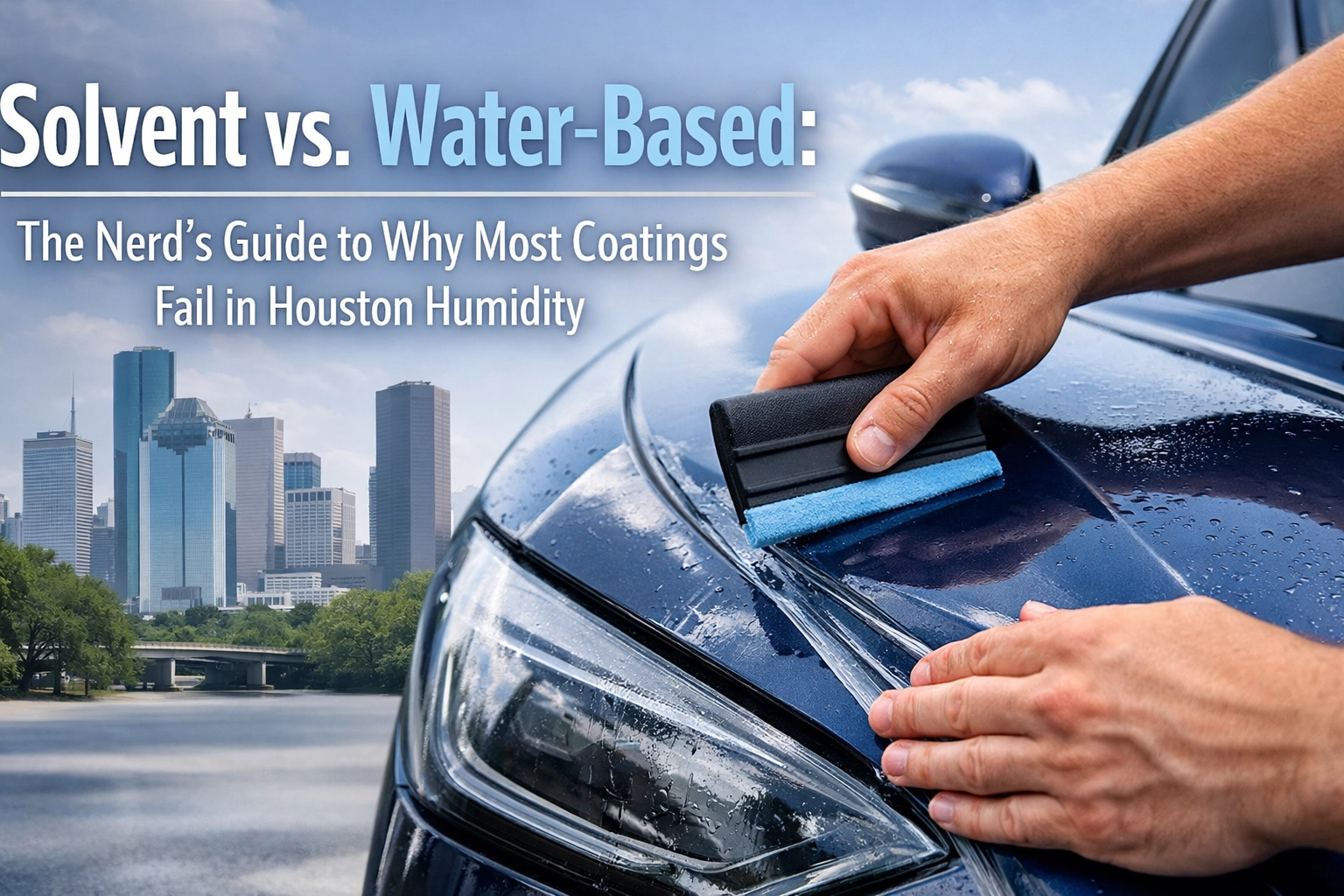
You've probably heard that ceramic coating Houston shops recommend different formulas depending on where you live. Here's why: Houston's humidity isn't just annoying: it's actively sabotaging the molecular bonding process that makes protective coatings work. When atmospheric moisture exceeds 75% relative humidity (which happens roughly 250 days a year along the Gulf Coast), the chemistry of coating application fundamentally changes.
Most failures happen before you even leave the lot. The coating looks perfect. It passes the water bead test. Then six weeks later, you're seeing hazing, delamination, or worse: actual corrosion creeping under what was supposed to be a barrier layer. The culprit? Wrong coating chemistry for the wrong climate.
Let's break down why solvent-based ceramic coatings dominate in Houston: and why water-based formulas, despite their environmental appeal, struggle to survive our swamp-like conditions.
What Actually Separates Solvent-Based from Water-Based Coatings?
The difference comes down to the carrier liquid that suspends the silica nanoparticles before they bond to your paint.
Water-based coatings use H2O as the evaporative medium. The silica particles cure as water molecules leave the surface film and allow cross-linking to occur. It's a simple, low-VOC process that works beautifully in controlled environments: paint booths, dry climates, anywhere humidity stays under 50%.
Solvent-based coatings use chemical solvents (typically isopropyl alcohol or similar compounds) as the carrier. These solvents evaporate through a chemical reaction with atmospheric oxygen, not simple phase-change evaporation. The curing process is far less dependent on ambient moisture levels, which makes it inherently more stable in humid conditions.

The molecular structure is identical once cured: both create that hydrophobic silica network. But getting there? Completely different ballgame when you're fighting 85% humidity at 9 AM in July.
Why Do Water-Based Coatings Struggle in Houston Humidity?
Houston's Gulf Coast climate creates a perfect storm for water-based coating failure. When relative humidity exceeds 75%: which is baseline here, not an anomaly: the evaporation rate of water from the coating surface slows to a crawl or stops entirely.
Here's what happens at the molecular level: water-based coatings rely on moisture leaving the film so silica particles can bond to the substrate and to each other. High atmospheric moisture creates vapor pressure that prevents this evaporation. According to a 2023 study by the American Concrete Institute, installation at humidity above 85% can increase curing time by up to 72 hours. That's three full days of vulnerability.
Extended curing times aren't just inconvenient: they create adhesion failure. The coating never properly bonds to the clear coat because the chemical bridge-building process keeps getting interrupted. You end up with a surface layer that looks protected but is essentially floating on top of your paint rather than bonding into it.
Then there's the corrosion risk. Water is literally a component in the corrosion process. When water-based coatings cure slowly in humid air, moisture can contact the substrate before the protective barrier fully forms. This is especially problematic on wheel coatings, where brake dust contamination combines with trapped moisture to create localized corrosion under what's supposed to be a protective layer.
Water-based formulas cure in 6-12 hours under ideal conditions: 40-50% humidity, controlled temperature, minimal air movement. Houston rarely provides those conditions. Our air is moisture-saturated, temperatures swing wildly, and coastal wind patterns create constant air movement that disrupts the curing environment.
Which Coating Chemistry Actually Survives Houston's Climate?
Solvent-based ceramic coatings evaporate through oxidation rather than simple phase change. The solvent molecules react with atmospheric oxygen, which means humidity doesn't interfere with the evaporation mechanism. The silica network can form even when ambient moisture is high.
This doesn't mean solvent-based coatings are immune to Houston's conditions. Extreme summer heat combined with high humidity can trap residual solvent in the coating layer, causing micro-blistering or hazing. That's why proper application technique matters: flash times between coats, temperature monitoring during cure, adequate ventilation: but the fundamental chemistry is far more forgiving.

Solvent-based formulas also bond more aggressively to the substrate. The chemical solvents slightly open the clear coat's molecular structure during application, allowing deeper penetration of the silica particles. Once the solvent flashes off, you're left with a semi-permanent bond that's resistant to delamination under thermal stress: which matters when your paint surface hits 160+ degrees on black asphalt in August.
The durability difference is measurable. Properly applied solvent-based ceramic coating in Houston conditions typically maintains hydrophobic properties for 2-4 years. Water-based coatings in the same environment often show degradation within 6-12 months, with visible hazing and reduced water sheeting performance.
How Does This Play Out on Your Daily Driver?
Let's talk real-world scenarios. You park at IAH for a week-long business trip. Daily afternoon thunderstorms hit. Your car sits in 95-degree heat with 90% humidity. Surface temperatures cycle from 150+ degrees during the day to 75 degrees at night with dew formation.
A water-based coating that never fully cured? It's degrading with every thermal cycle. The incomplete silica network allows moisture penetration, which breaks down the remaining bonds. By the time you return, water beading is already diminished.
A properly cured solvent-based coating? It's chemically locked to your clear coat. The thermal cycling doesn't break the molecular bonds. Water still sheets off. The protection holds.
This isn't theoretical: we see it on vehicles that come through our paint correction and automotive ceramic coating services. Cars that received water-based coatings in Houston's humidity show premature failure patterns. Coatings that looked perfect at application are hazing out within months.

The problem compounds on horizontal surfaces: hoods, roofs, trunk lids: where water pools after rain. If the coating isn't fully bonded, pooled water accelerates breakdown. You'll notice water stops beading in specific areas first, usually the center of the hood or roof where heat concentration is highest and water sits longest.
Can You Actually Tell the Difference Before Coating Fails?
Most customers can't: which is exactly why coating chemistry matters. Both water-based and solvent-based formulas produce a high-gloss, hydrophobic finish when freshly applied. The water bead test works the same day one. Visual inspection shows nothing.
The difference emerges during stress testing: sustained UV exposure, thermal cycling, chemical exposure from bird droppings or bug splatter. Water-based coatings that cured improperly in Houston humidity show reduced chemical resistance. Acid etching happens faster. Hard water spotting becomes more prominent. The coating isn't failing catastrophically: it's just not performing at the durability level you paid for.
Professional ceramic coating application in Houston requires humidity monitoring, controlled curing environments, and: most critically: coating chemistry matched to local conditions. That's why Ceramic Enthusiasts exclusively uses solvent-based ceramic coating systems for Houston-area vehicles. The performance difference over 2-3 years isn't marginal: it's dramatic.
What Does This Mean When You're Shopping for Ceramic Coating Near Me?
Ask about coating chemistry. If a shop can't explain whether they're using water-based or solvent-based formulas: or doesn't know why it matters in Houston: that's your red flag. Professional-grade ceramic coating requires understanding the substrate, the environmental conditions, and how coating chemistry responds to both.

Verify the curing environment. Coatings should cure in a controlled space with humidity monitoring, not in an open bay with Houston's 80% humidity air circulating through. Proper facilities matter as much as product selection.
Understand the warranty terms. Most reputable ceramic coating manufacturers void warranties if application occurs outside specified humidity ranges. If a shop is applying water-based coatings in Houston's summer humidity without environmental controls, the manufacturer likely won't stand behind the work: which means you're on your own when premature failure happens.
Check how long does ceramic coating last based on local conditions. Realistic expectations for solvent-based ceramic coating in Houston: 2-4 years of strong hydrophobic performance with proper maintenance. Claims of 5+ years durability often assume controlled climates and garage storage: not daily freeway exposure and open-air parking.
Ready to Protect Your Investment with Chemistry That Actually Works?
If you're serious about long-term paint protection in Houston's brutal climate, coating chemistry isn't optional: it's fundamental. We've spent over a decade perfecting ceramic coating application for Gulf Coast conditions, and every vehicle that comes through our service areas in Houston, Pearland, League City, and Friendswood gets solvent-based ceramic coating formulated to withstand humidity, heat, and UV exposure.
Want to discuss which coating system makes sense for your vehicle and driving patterns? Call 281-626-9384 or check out our Gold Package and Platinum Package ceramic coating options. We'll break down the chemistry, show you the application process, and explain exactly why solvent-based systems deliver the protection Houston drivers actually need( not just what sounds good on paper.)