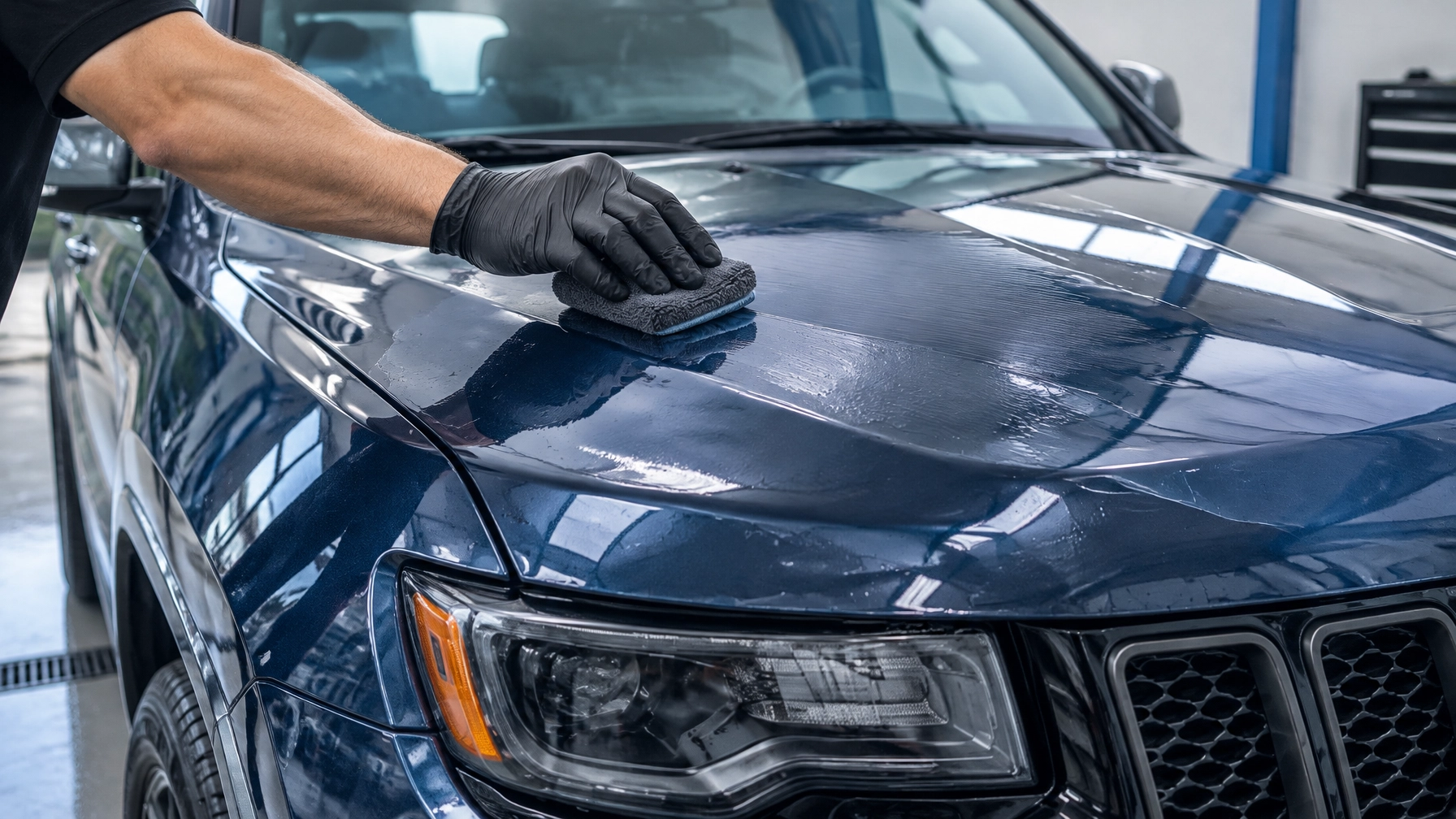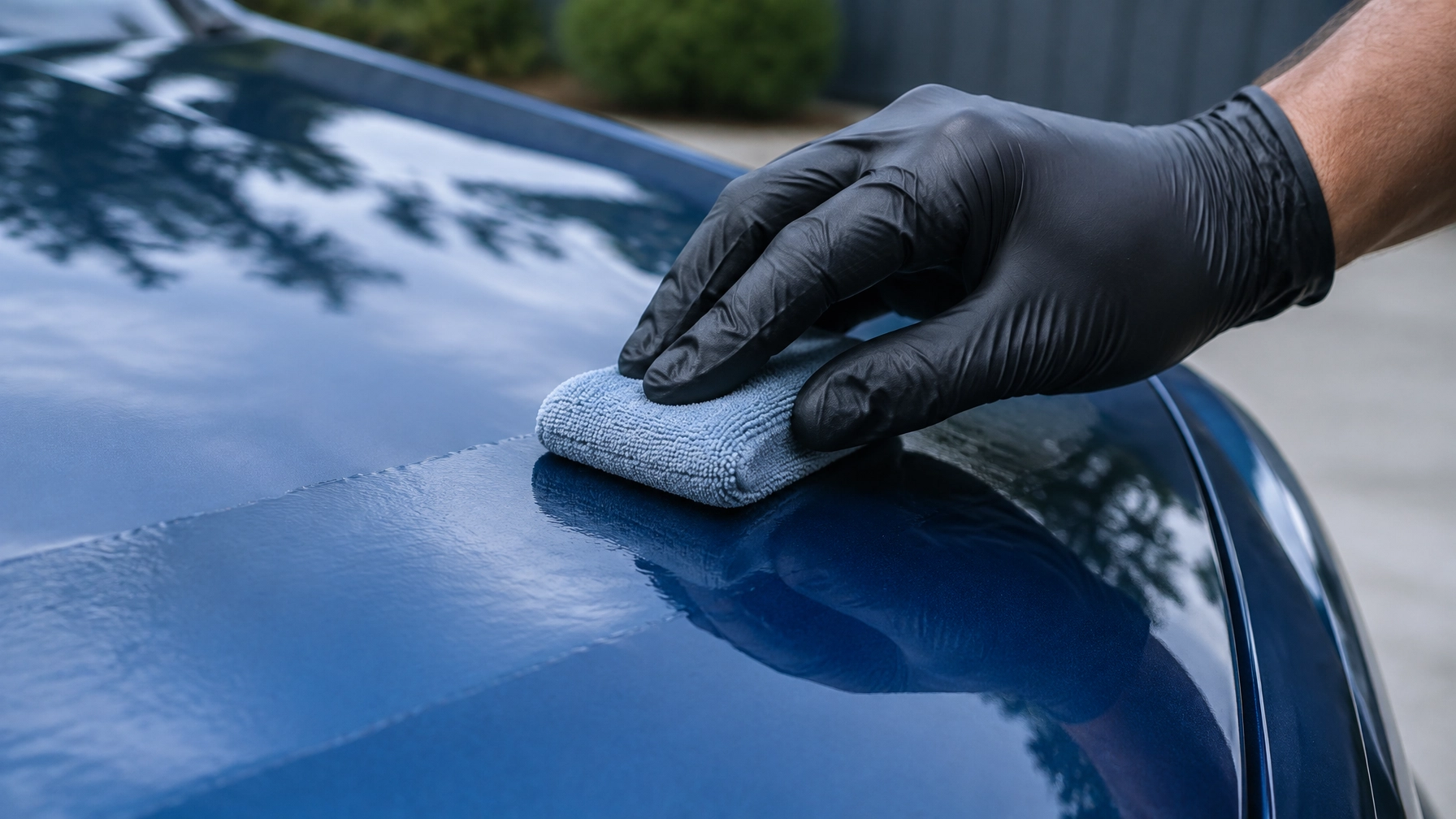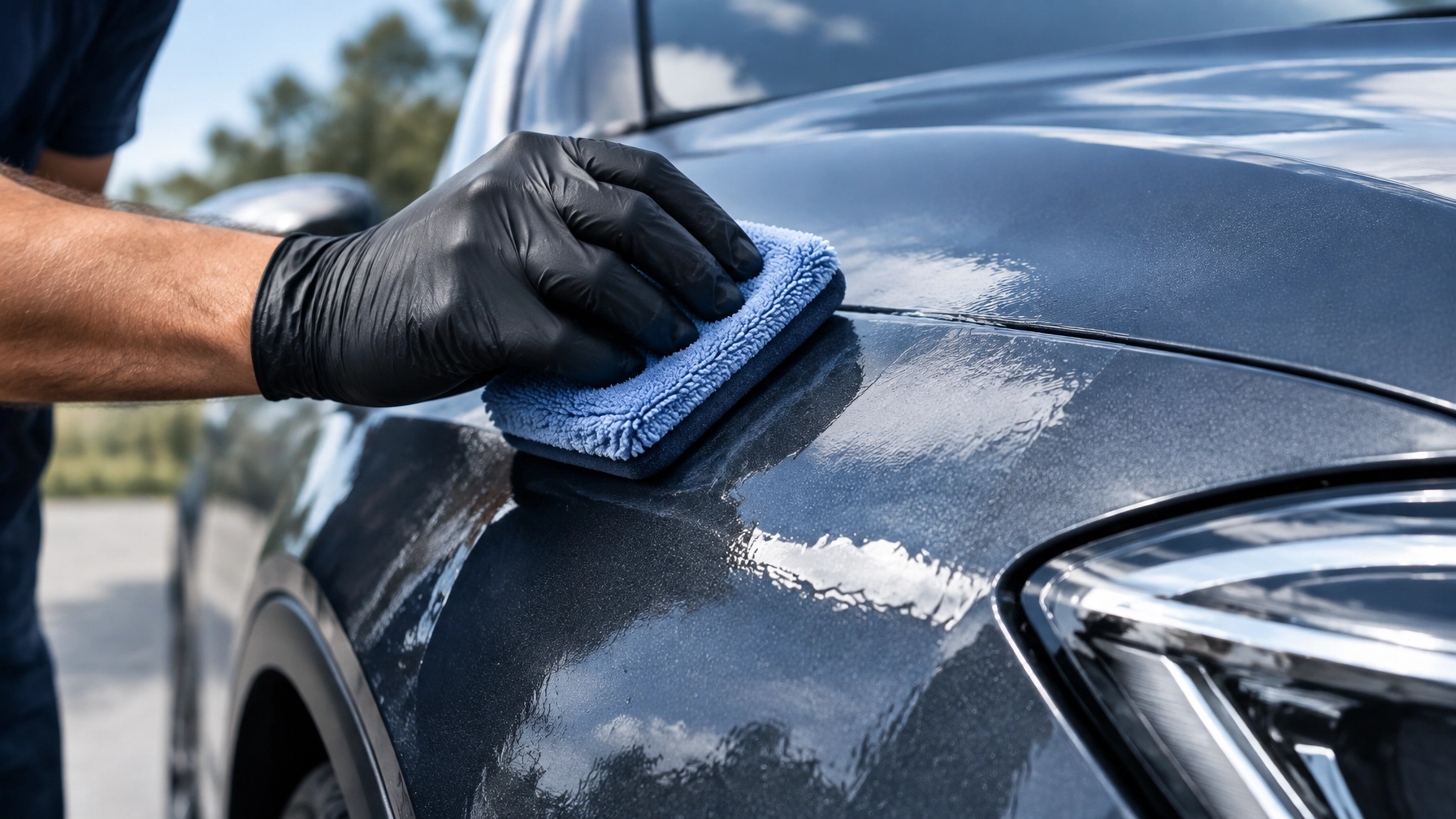
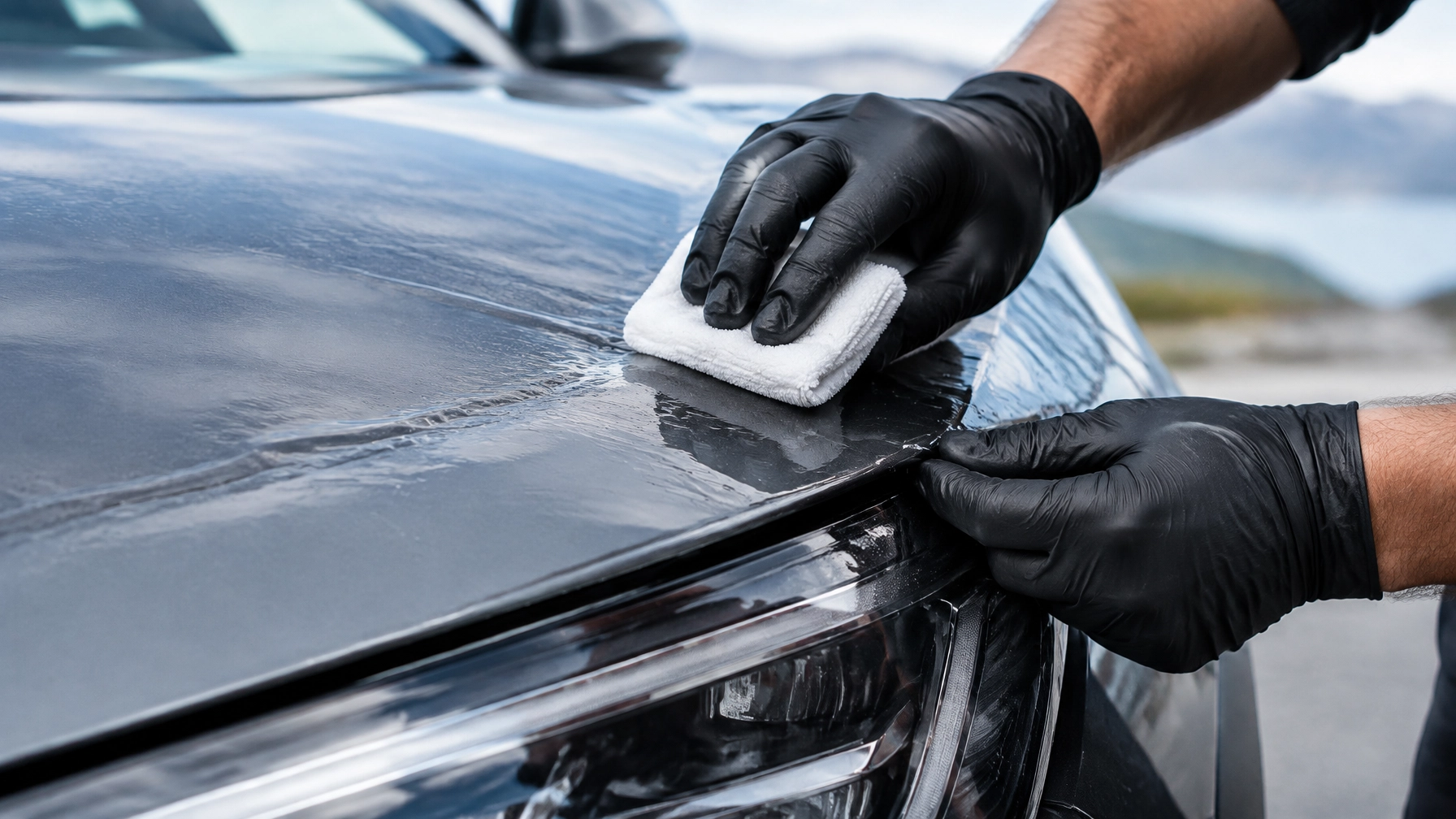
Liquid PPF protection from rocks and road debris gives Houston drivers a hand-applied barrier between daily traffic and the vehicle’s factory paint.
Houston roads create constant impact exposure. I-45, I-10, Beltway 8, the Grand Parkway, and the Gulf Freeway carry commuters alongside dump trucks, gravel haulers, construction vehicles, and shipping traffic.
The result is predictable. Small stones strike the hood, bumper, mirrors, fenders, and rocker panels at freeway speeds.
Liquid Paint Protection Film, or LPPF, adds a flexible protective layer designed to absorb and reduce that damage before it reaches the clear coat.
What Makes Houston Road Debris So Hard on Vehicle Paint?
Houston’s freeway network combines high speeds, heavy traffic, and frequent construction activity. That combination turns ordinary gravel into a paint-damaging projectile.
Vehicles traveling near the ship channel and refinery corridors also encounter abrasive dust, industrial residue, road grit, and debris displaced by commercial trucks. Stop-and-go traffic increases the risk because vehicles remain close to dump trucks and gravel haulers while repeatedly accelerating and braking.
Without protection, a single impact can chip through the clear coat and expose the colored base coat or primer beneath it.
Once primer is exposed, moisture and oxygen can begin oxidation creep around the damaged area. Rust risk increases when the impact reaches bare metal, especially beneath the front bumper, hood edge, or lower rocker panels.
Paint chips also interrupt the surface reflection that creates a mirror-like finish. Over time, dozens of impacts can make a newer vehicle look older while reducing gloss, visual appeal, and resale confidence.
How Does Hand-Applied LPPF Protect Against Rocks and Debris?
LPPF uses a flexible blend of polyurethane and acrylic polymers that is worked across the painted panel by hand with professional microfiber applicator pads.
The material spreads into a continuous protective layer before curing into a solid-state film. It is not a conventional sheet installed over the panel. It becomes a seamless barrier that follows the vehicle’s contours without visible seams or edges.
Polyurethane contributes flexibility and tensile strength. Acrylic polymers support surface durability, clarity, and resistance to everyday wear. Together, the cured layer provides greater protection than a ceramic coating alone against light to moderate impact from road grit and small stones.
The protection is most valuable on impact-prone areas:
- Front bumper
- Hood and hood edge
- Front fenders
- Side mirrors
- A-pillars
- Leading edge of the roof
- Rocker panels
- Lower doors and quarter panels
The correct coverage depends on how and where you drive. A daily commuter using I-45 or Beltway 8 needs a different protection plan than a vehicle driven primarily on residential roads.

What Happens to Paint Without an Impact-Resistant Protective Layer?
Unprotected paint absorbs every stone strike directly through the factory clear coat.
The initial damage may appear as a tiny white, gray, or dark pinpoint. That spot can represent a clear-coat breach, exposing the underlying primer or metal. Repeated impacts create clusters of chips across the front end, especially during construction seasons and heavy freeway travel.
Houston’s heat accelerates the problem. A vehicle panel can reach temperatures above 95 degrees under direct summer sun, while ultraviolet exposure weakens unprotected paint and encourages fading. Humidity and sudden thunderstorms add moisture to existing chips and surface defects.
The damage progresses in stages:
- A rock breaks the clear coat.
- Primer or base coat becomes exposed.
- Water and oxygen enter the damaged area.
- Oxidation spreads around the chip.
- Rust risk increases when bare metal is exposed.
- Gloss and resale presentation decline.
Repairing isolated chips early is faster and safer than allowing an entire front end to deteriorate. LPPF helps prevent the first breach from reaching the factory finish.
How Is LPPF Re-Leveled After a Rock Impact?
LPPF can be re-leveled when a rock impact creates a blemish in the protective layer.
A professional evaluates the affected area and restores the surface without replacing an entire panel of traditional film. The damaged protective material is carefully corrected, leveled, and blended so the surface returns to a smooth appearance.
That repairability matters for Houston drivers who regularly encounter gravel, debris, and construction traffic. One impact does not automatically mean removing and replacing a full section of protection.
Re-leveling restores the smooth surface and preserves the purpose of the original installation: keeping the vehicle’s paint beneath the LPPF intact.
This is especially valuable on vehicles that travel between Houston, Pearland, League City, Pasadena, Deer Park, South Houston, Galveston, Clear Lake, Webster, Friendswood, and Alvin.
What Preparation Should Happen Before LPPF Application?
Decontamination and paint correction are the correct preparation steps before LPPF application.
Road film, embedded grit, industrial fallout, tar, and mineral deposits interfere with adhesion. A professional decontamination process removes those contaminants so the protective layer can bond consistently across the panel.
Paint correction addresses the condition beneath the protection. State-of-the-art polishing removes or reduces swirls, light scratches, oxidation, and washing marks while restoring clarity before any coating application.
The goal is not to trap existing defects beneath the film. The goal is to create a clean, smooth, optically clear foundation.
Explore our paint correction service before scheduling protection. A mirror-like finish improves the final appearance and gives the LPPF a stronger, cleaner foundation.

How Does LPPF Compare With Automotive Ceramic Coating?
LPPF should lead the protection plan when rocks and road debris are the primary concern.
Automotive ceramic coating bonds chemically to the prepared paint surface and creates a hydrophobic layer with strong resistance to UV exposure, oxidation, chemicals, bird droppings, bug residue, and water spotting. It makes washing faster and helps contaminants release more easily.
Ceramic coating is not designed to absorb the same type of physical impact as LPPF.
That is why LPPF serves as the primary protective barrier, while ceramic coating works as a complementary top layer. The combination adds impact protection, gloss, water repellency, and easier maintenance.
The hydrophobic ceramic surface reduces surface tension, causing water to bead and move away more efficiently during Houston thunderstorms. It also helps road film and environmental contaminants release during routine washing.
Read more about automotive ceramic coating and how it pairs with LPPF for long-term surface care.
Which Additional Areas Benefit From Ceramic Protection?
LPPF protects painted impact zones, while specialized ceramic services extend easier maintenance to the rest of the vehicle.
Wheel ceramic coating helps brake dust, road grime, and heat-related contaminants release more easily from wheel surfaces. This is useful for commuters traveling through stop-and-go traffic in Houston, Pasadena, Pearland, and League City.
Glass ceramic coating creates a hydrophobic surface on windshields, mirrors, and exterior glass. Water beads and rolls away more efficiently during Gulf Coast downpours, helping maintain clearer sightlines.
These services do not replace LPPF. They complete the protection plan by addressing the different materials exposed during daily driving.

How Does Ceramic Enthusiasts Apply LPPF Differently?
LPPF application requires patience, surface control, and consistent hand technique.
Ceramic Enthusiasts is owner-operated with over 10 years of hands-on experience. Each vehicle receives one-car-at-a-time attention rather than rushed, split-focus service.
The process includes:
- Vehicle and paint evaluation
- Thorough washing and decontamination
- Paint correction when needed
- Panel-by-panel LPPF application
- Careful leveling with professional microfiber applicator pads
- Controlled curing and final inspection
- Maintenance guidance for Houston conditions
The hand-applied process allows close attention around contours, edges, mirrors, bumper shapes, and other areas where debris strikes first.
All services are performed at the shop, one vehicle at a time, for focused workmanship and meticulous attention throughout the protection process.
Can LPPF Help Preserve Gloss and Resale Value?
Yes. LPPF helps preserve the original appearance that supports long-term vehicle value.
A protected front end avoids the scattered chips, dull spots, oxidation creep, and exposed primer that make a vehicle appear neglected. The smooth cured film also supports a clean, glossy appearance that remains noticeable from the first rainstorm and throughout repeated maintenance washes.
Protection is most effective before damage accumulates. Applying LPPF to a new vehicle preserves factory paint, while applying it to an older vehicle begins with decontamination and correction to restore the surface first.
Houston drivers do not need to accept chipped paint as an unavoidable part of freeway commuting.
What Should You Do Next to Protect Your Houston Vehicle?
Start with a consultation to determine which panels receive the most debris exposure and whether paint correction is needed first.
Ceramic Enthusiasts provides owner-operated, one-car-at-a-time protection for drivers in Houston and surrounding communities, including Pearland, League City, Pasadena, Deer Park, South Houston, Galveston, Clear Lake, Webster, Friendswood, and Alvin.
Review our Liquid Paint Protection Film service and learn more about Ceramic Enthusiasts.
Call 281-626-9384 to schedule a consultation and determine whether hand-applied LPPF fits your driving conditions, vehicle, and protection goals.
Protect the paint before the next rock reaches it.