Houston roads leave real marks. You drive through traffic, catch a rock impact, and suddenly a smooth front end can show a visible blemish.
Here’s the 2026 reality check: standard ceramic coatings do not repair impact damage. They deliver gloss, slickness, and protection from UV, chemicals, and grime—but a chip is still a chip.
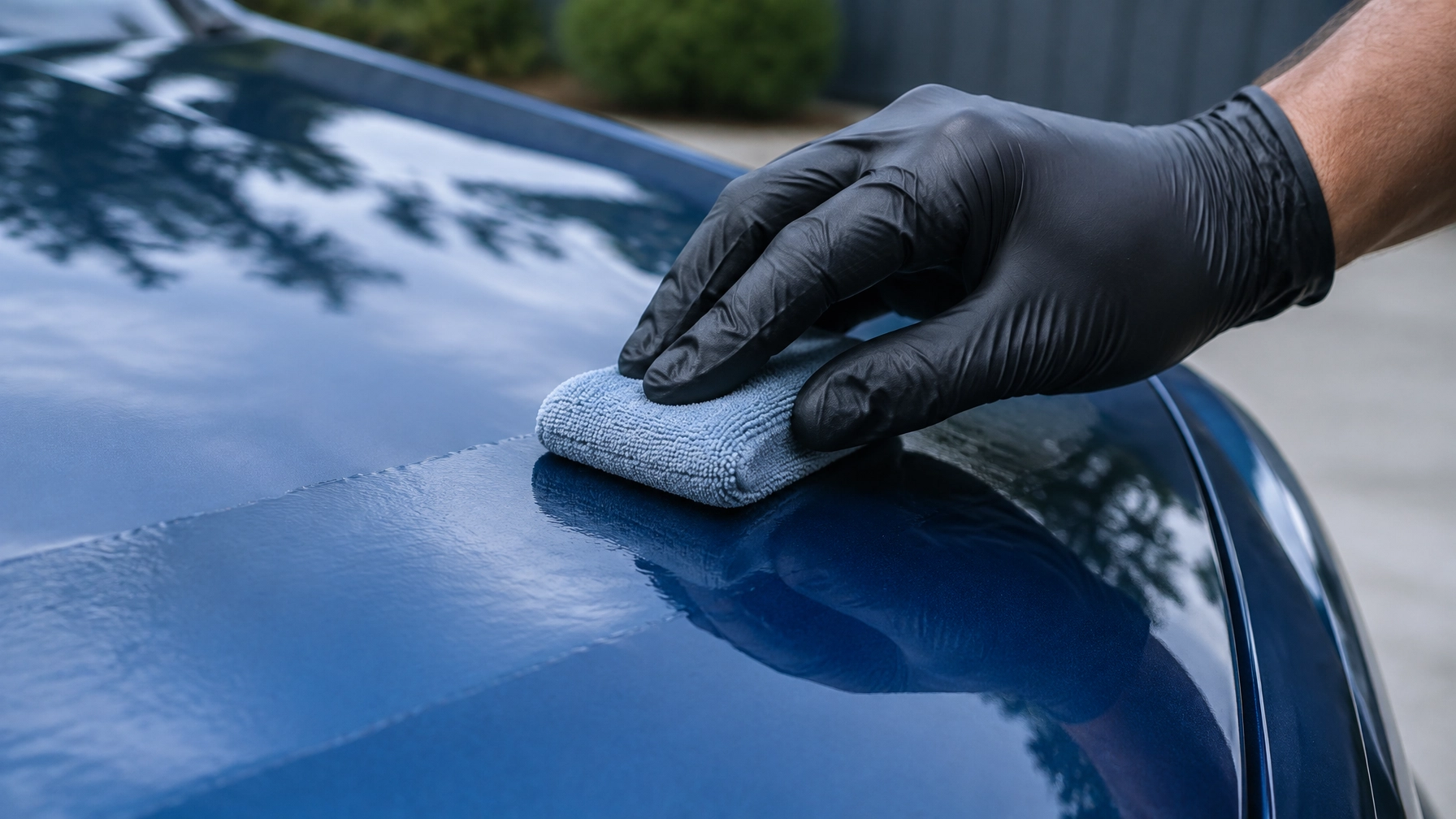
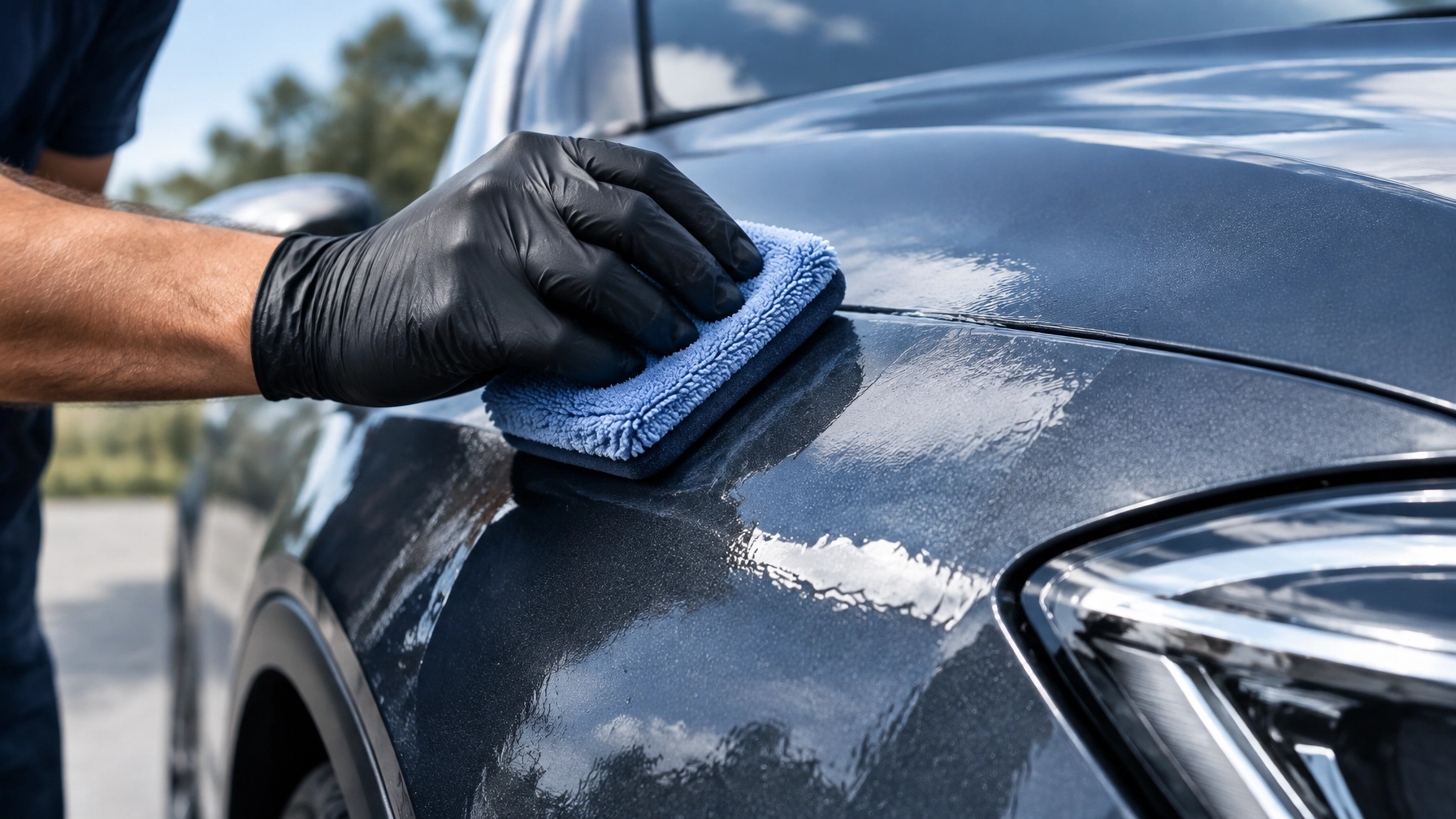
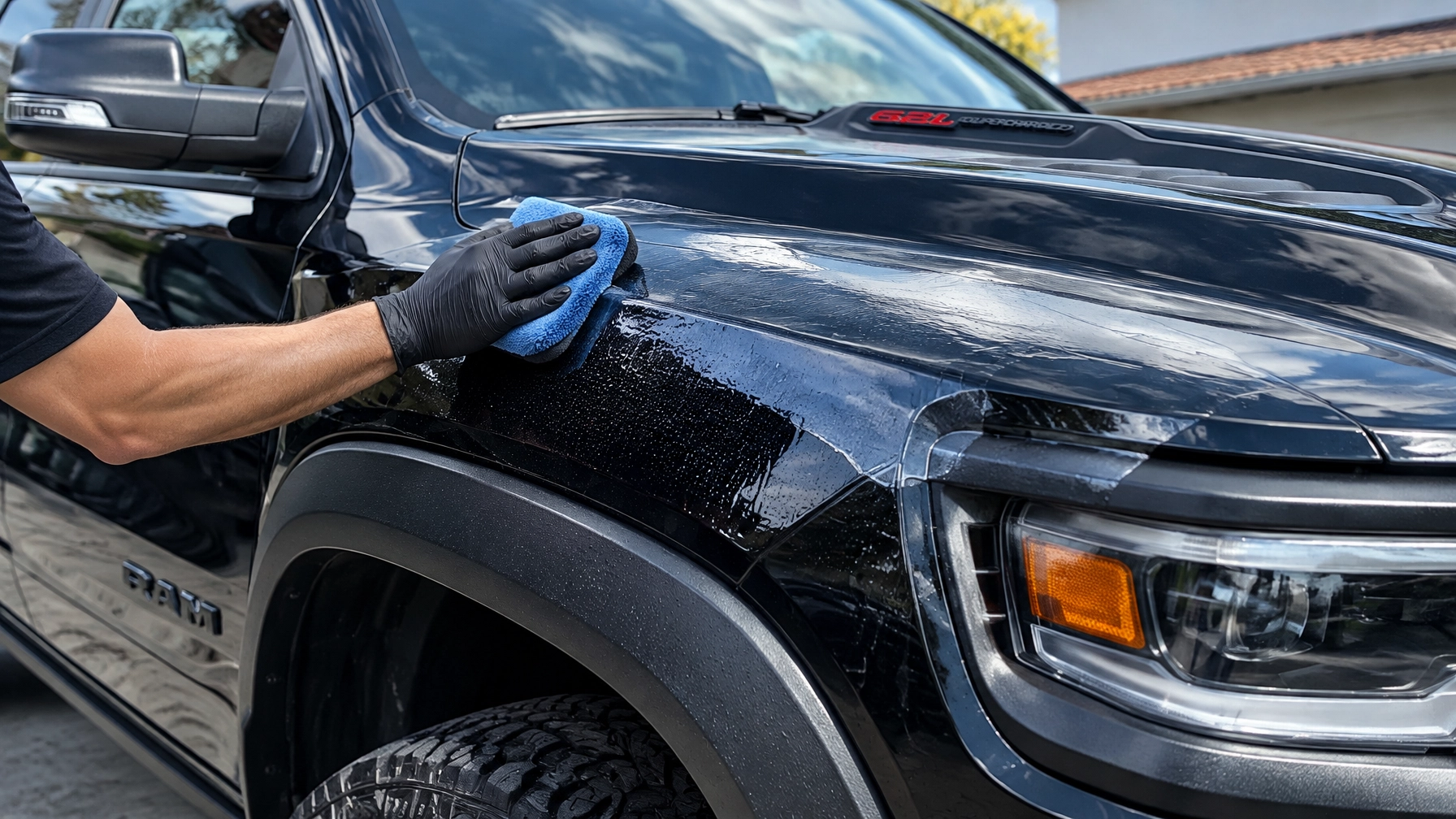
Liquid Paint Protection Film (LPPF) is where repairability becomes real. LPPF is a hand-applied protective layer designed for impact resistance, and it has a key advantage: if a rock impact causes a blemish, the affected area can be professionally repaired through re-leveling by the installer (Ceramic Enthusiasts) to restore a smooth, uniform finish.
That means your paint protection does not heal itself—but it can be restored correctly by the right hands.
What Does “Easily Repaired With Re-Leveling” Mean for Your Paint Protection?
In the real world, terms like “re-leveling” get thrown around too loosely, so here’s the clean breakdown.
Some OEM parts (like certain polyurethane exterior components) can show scratch-recovery behavior under heat. That’s cool tech—but it’s not the same thing as saying your paint protection stack will magically undo damage on its own.
For Houston drivers, the practical 2026 upgrade is this:
- Standard automotive ceramic coating = protection + shine. It boosts gloss, adds hydrophobic behavior, and helps defend against UV, chemical staining, and grime. It does not repair rock chips or impact defects.
- Liquid Paint Protection Film (LPPF) = impact resistance + a unique restoration option. It’s hand-applied over the paint/clear coat, built to take hits from debris, and—if a rock impact causes a blemish—the affected area can be professionally re-leveled by the installer (Ceramic Enthusiasts) to restore a smooth finish.
So if you want the “fix it” part to be real, LPPF is the star of the show.
How Does LPPF “Re-Leveling” Actually Restore the Finish?
LPPF restoration happens through a professional re-leveling process, not through any kind of automatic recovery.
When the film takes a rock impact, minor chip, texture change, or small defect from Houston roads, the surface can lose that perfectly uniform look. Re-leveling is where the installer (Ceramic Enthusiasts) uses a controlled, professional process to restore a smooth, even finish in the affected area—basically bringing the surface back into spec instead of living with a permanent blemish.
Here’s the key distinction:
- Ceramic coating is a protective, glossy, hydrophobic layer. It helps keep paint cleaner and reduces chemical/UV wear, but it doesn’t restore a chipped surface.
- LPPF is designed to take impacts first, and when minor damage shows up in the film, it can be restored via re-leveling by the pro who installed it.
Houston heat is still part of the story in 2026—but not because the surface somehow fixes itself. The win is that your protection system is designed for repairability, and that’s a different level of long-term ownership peace.
Why Does Houston’s Climate Make LPPF the Smart Repairable Protection Move?
Houston doesn’t politely age your paint—it speed-runs the damage.
Between 95° heat, UV, refinery fallout, shipping corridor grime, and constant construction debris on I-45, your front end gets peppered year-round. That’s exactly why impact resistance matters more here than most places.
This is where LPPF earns its keep:
- It acts like a thicker, impact-ready barrier in the zones that actually get hit (bumper, hood, mirrors, rockers).
- When you do pick up minor chips/defects in the film, the finish doesn’t have to stay “permanently rough.” Ceramic Enthusiasts can re-level the LPPF as a professional restoration step, bringing back that smooth look without jumping straight to repaint decisions.
Ceramic coating still plays a key role in Houston—it makes washing faster, boosts gloss, and helps fight chemical staining. But for the part of your car that lives in the blast radius of Houston roads, LPPF is the tech-forward choice in 2026.
Which Types of Damage Can LPPF Be Re-Leveled For—And What Still Needs Paint Correction?
LPPF re-leveling is best for minor chips/defects and surface texture issues in the film, not for damage that’s already into the paint.
Here’s the practical guide Houston drivers actually need:
Great candidates for professional re-leveling (LPPF):
- Minor rock-impact marks that leave small defects in the LPPF surface
- Light scuffs or texture that makes the finish look “peppered”
- Small localized areas where you want the surface returned to smooth and uniform again
What still requires paint correction (or deeper repair):
- Scratches that cut through to clear coat/paint (if your fingernail catches, that’s your sign)
- Chemical etching that has damaged the paint itself (bird droppings, sap, industrial fallout)
- Chips that have exposed base coat/metal underneath
Ceramic coating fits into this picture as the “keep it clean and glossy” layer. It helps reduce wash marring and makes maintenance faster—especially with in-shop paint protection in Houston. But when it comes to impacts and the ability to restore the surface afterward, LPPF + professional re-leveling is the 2026 advantage.

Do You Need Ceramic Coating, LPPF, or Both for Houston Driving?
The best setup depends on how you drive, where you park, and how much you want to worry about impacts.
Ceramic coating is the shine + maintenance play. After proper decontamination and prep, it bonds to the paint to deliver long-lasting gloss, hydrophobic behavior, and resistance to UV and chemical staining. It’s perfect if you want faster washes and a finish that looks “just detailed” longer—especially in Pearland, Friendswood, and League City where sun + pollen + hard water love to team up.
LPPF is the impact + restore play. It’s hand-applied to high-risk areas (front bumper, hood, mirrors, rockers, door edges) to absorb debris hits from Houston freeways and construction zones. And when minor chips/defects show up in the film, Ceramic Enthusiasts can professionally re-level it to restore a smoother, cleaner finish again.
Both together is the cheat code. Many Houston drivers pair a full-vehicle platinum package ceramic coating for slickness and easier maintenance, then add LPPF to the front end and other impact zones for the “this is where the damage happens” reality.
Ceramic coating protects and enhances. LPPF resists impacts and can be restored via re-leveling. Different jobs—perfectly compatible.

Is LPPF (With Professional Re-Leveling) Worth It for Houston Drivers in 2026?
Yes—because Houston driving isn’t gentle, and LPPF gives you impact resistance plus a realistic path to restoration.
Ceramic coating is still a smart investment for shine and easier upkeep. It helps reduce chemical staining, adds hydrophobic behavior, and keeps the car looking freshly detailed longer—especially with Houston’s UV, hard water, and grime.
But if your daily route includes freeway debris, construction zones, or street parking in Pasadena or South Houston, LPPF becomes the heavy hitter. It’s hand-applied protection built to take impacts first—and when minor chips/defects show up in the film, Ceramic Enthusiasts can professionally re-level the LPPF to restore a smoother finish again.
That “restore” option is the difference between:
- living with peppered-looking impact marks, or
- bringing the surface back to clean, uniform, and glossy without overreacting.
Ceramic Enthusiasts is owner-operated with over a decade of experience, and we work one car at a time. That matters here, because both ceramic coating performance and LPPF results are decided in the prep: decontamination, polishing, and a no-rush install.
Want to figure out the right setup for your car—ceramic coating, LPPF, or both? Connect with Ceramic Enthusiasts at 281-626-9384. We’ll check your paint, talk through real-world expectations, and build a protection plan that stands up to Houston heat, humidity, and highway chaos.
Houston’s sun still melts steering wheels. Your finish doesn’t have to melt with it.