
Yes. Hand-applied Liquid Paint Protection Film (LPPF) is a strong protection choice for a paint-corrected daily driver in Houston, especially when freeway debris, UV exposure, heat, humidity, and chemical contaminants are daily concerns.
Paint correction restores the finish first. LPPF then creates a flexible physical barrier over that corrected paint, helping reduce rock chips, scratches, staining, and premature wear. The result is a smoother, glossier surface built for Houston driving.
What Makes Houston Driving Hard on Corrected Paint?
Houston’s environment attacks vehicle paint through heat, moisture, sunlight, traffic, and airborne contaminants.
When temperatures reach 95°F or higher, dark painted panels absorb intense heat. UV exposure accelerates oxidation and color fading. Humidity frequently rises above 70% early in the day, keeping contaminants active against the clear coat longer.
Freeway driving adds physical damage. I-45, Highway 288, Beltway 8, the 610 Loop, and major shipping routes expose front bumpers, hoods, mirrors, and fenders to gravel, construction debris, and road grit. Heavy truck traffic increases the frequency of those impacts.
Industrial fallout also matters. Drivers near Pasadena, Deer Park, South Houston, and refinery or shipping corridors encounter airborne particles that can bond to paint. When moisture reaches those contaminants, oxidation and staining accelerate.
Houston thunderstorms create another cycle of damage. Rain deposits pollutants, minerals, and organic material, then hot sunlight can dry that residue onto the surface within a short period. Without protection, repeated weather cycles leave water spots, etching, and embedded contamination behind.
A corrected surface looks better, but it still needs a durable barrier to stay that way.

Why Should Paint Correction Come Before LPPF?
Paint correction should come first because protection preserves the surface beneath it. Applying LPPF over swirls, oxidation, bonded contaminants, or haze locks those defects beneath the protective layer.
The preparation process begins with a detailed inspection. The condition of the clear coat determines the appropriate correction level and helps identify deeper scratches that polishing cannot safely remove.
Next comes decontamination. Chemical treatment helps dissolve iron particles, road film, and industrial fallout. Clay treatment removes bonded particles that remain after washing. These steps leave the surface smoother and cleaner before polishing begins.
State-of-the-art polishing then removes or reduces swirls, light scratches, oxidation, and washing marks. Paint correction works by carefully refining an extremely thin layer of clear coat, preserving as much original paint as possible while restoring clarity.
The final preparation stage removes polishing oils and residue. This clean surface allows the LPPF polymer system to establish a stronger, more uniform bond.
A corrected finish gives LPPF a better foundation and delivers a mirror-like result that remains noticeable from the first rainstorm.
Learn more about the preparation process through our paint correction service in Houston.
How Does Hand-Applied LPPF Protect a Daily Driver?
Hand-applied LPPF cures into a flexible protective film made from a polyurethane and acrylic polymer blend. The cured layer adds physical substance between your paint and the hazards encountered on Houston roads.
Unlike a coating designed primarily for chemical resistance, LPPF provides a more substantial cushion against light to moderate rock impacts, road debris, scratches, and everyday wear. It is not invulnerable, but it gives vulnerable panels a stronger defense than ceramic coating alone.
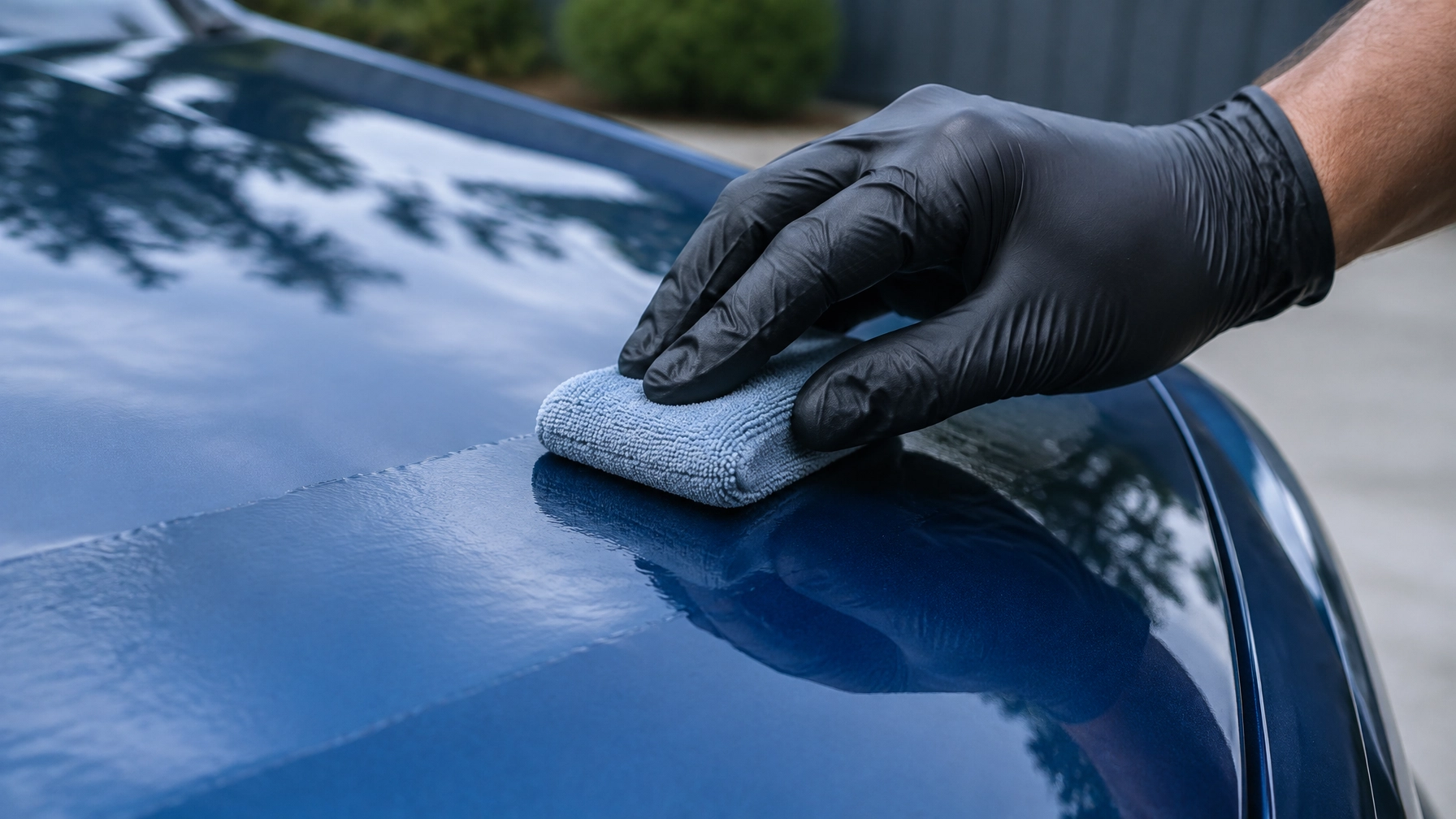
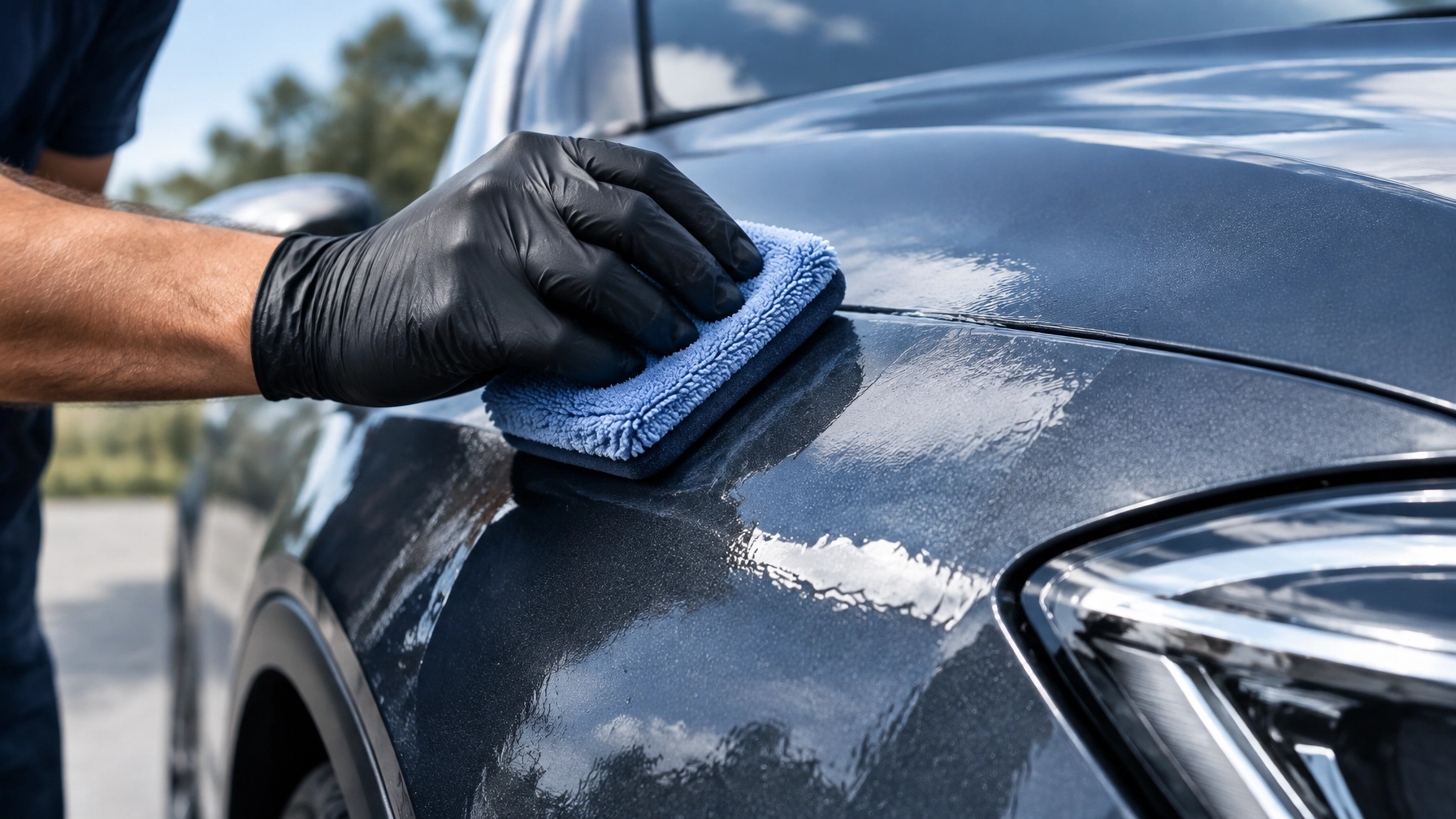
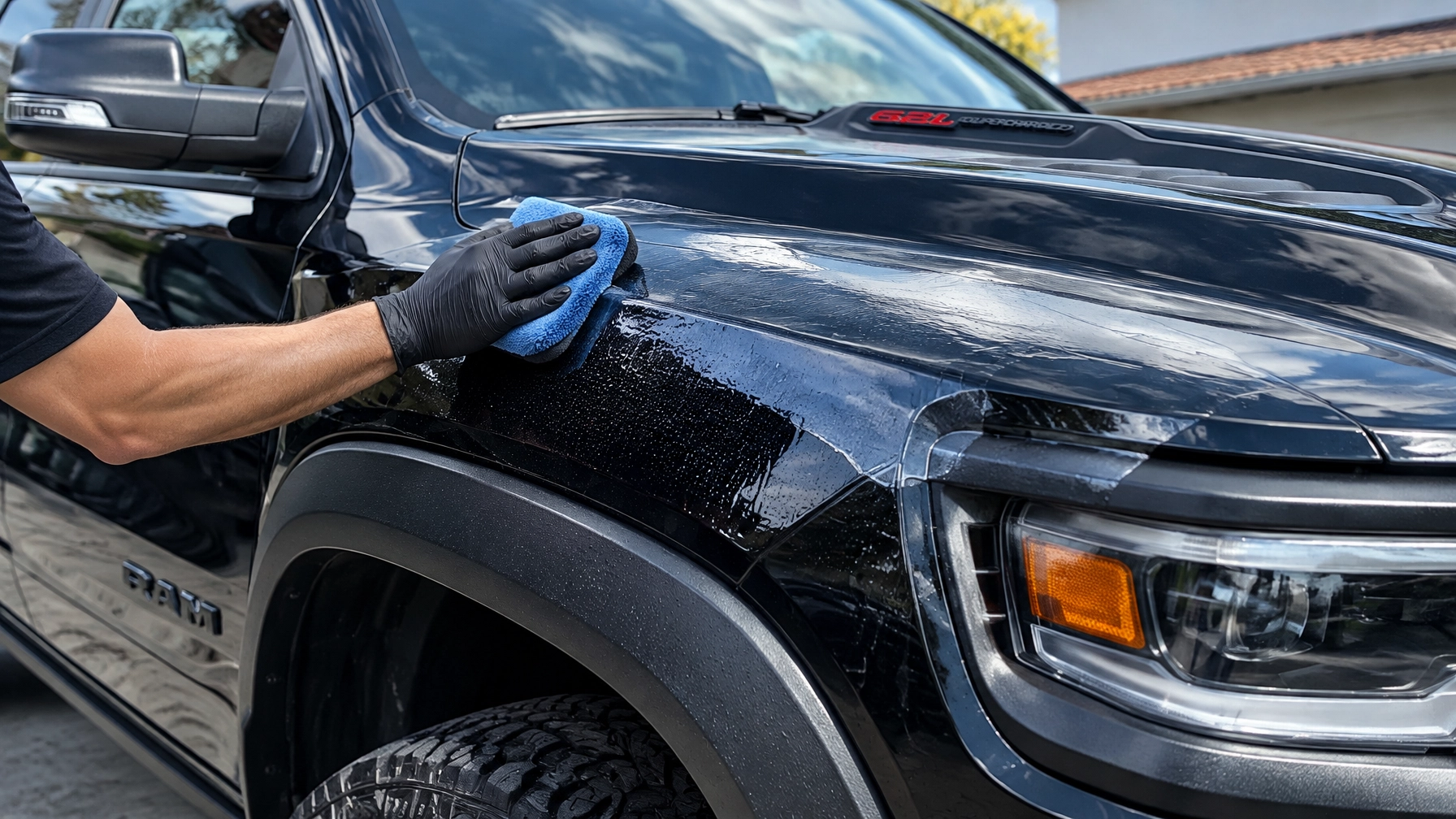
The application requires controlled, panel-by-panel work. An experienced installer uses microfiber applicator pads and careful hand movements to distribute the liquid polymer evenly across the prepared paint. The material follows the contours of the hood, bumper, fender, mirror, or rocker panel without relying on visible seams.
The polymer then cures into a smooth, glossy layer. Its surface can also provide hydrophobic behavior, which helps water, dirt, and road film release more easily during maintenance.
That combination matters for a commuter. LPPF absorbs more abuse while its smooth surface helps reduce the effort required to wash away Houston grime.

Can LPPF Handle Houston Heat, Humidity, and UV Exposure?
Yes. Quality LPPF is designed to remain flexible and clear through repeated heat, humidity, UV exposure, and temperature changes.
Houston vehicles experience intense summer sunlight, hot parking lots, sudden thunderstorms, and overnight moisture. Those conditions can cause unprotected clear coat to oxidize, fade, and lose gloss. They also make bugs, bird droppings, tree sap, and industrial residue more aggressive against the finish.
The cured polyurethane-acrylic film creates a continuous barrier that limits direct contact between those contaminants and the corrected paint. Its molecular structure helps the film remain intact as the vehicle moves through daily temperature changes.
LPPF does not eliminate maintenance. It reduces the consequences of missed maintenance and makes proper maintenance faster and safer. Removing bug residue, bird droppings, and road film promptly still matters, particularly after freeway driving or long periods in direct sun.
With proper care, the protection is intended to perform through years, not months. It continues working through dozens of Houston weather cycles while preserving the depth created during paint correction.
What Happens If a Rock Creates a Blemish?
A significant advantage of LPPF is its re-leveling capability. If a rock impact creates a localized blemish in the film, the affected area can often be re-leveled to restore a smooth, uniform finish.
That process addresses the damaged surface without automatically requiring removal of the entire protected panel. It can preserve the surrounding protection and reduce the disruption associated with repairing impact damage.
Re-leveling is not a guarantee against every type of damage. A severe impact can exceed the film’s ability to protect the underlying paint. Deep scratches, major collisions, and damage that reaches the paint system require a professional evaluation.
For normal daily-driver abuse, however, re-leveling provides a practical long-term advantage. Houston drivers encounter repeated small impacts, and localized repair can help keep the vehicle looking consistent after those events.
Which Protection Combination Works Best for Houston Commuters?
LPPF should lead the protection plan when rock chips and road debris are the main concerns. Ceramic coating is a complementary option that adds chemical resistance, gloss, hydrophobic performance, and easier maintenance.
A practical setup may include LPPF on the front bumper, hood, fenders, headlights, mirrors, A-pillars, and leading roof edge. High-mileage drivers may also benefit from protection on rocker panels, door edges, door cups, and other areas exposed to road grit.
A ceramic coating can then be applied over the LPPF and to the remaining painted surfaces. The coating increases surface tension, causing water to bead and contaminants to release more easily. It also reinforces protection against UV exposure, oxidation, bug residue, and chemical staining.
Explore our automotive ceramic coating service to see how ceramic protection pairs with LPPF.
Houston commuters can also add targeted protection:
- Glass ceramic coating helps water bead and roll away during thunderstorms, improving wiper performance and visibility.
- Wheel ceramic coating helps reduce the bonding of brake dust, road grime, and heat-baked contaminants.
- Regular washing and periodic decontamination preserve the hydrophobic surface and protect the investment.
This layered approach addresses both impact damage and chemical exposure without treating ceramic coating as a replacement for LPPF.

How Is LPPF Installed for One Houston Vehicle at a Time?
The process begins with vehicle evaluation, washing, decontamination, and paint inspection. Paint correction follows when the surface requires swirl removal, scratch reduction, or oxidation restoration.
After polishing, the surface is cleaned thoroughly to remove oils and residue. LPPF is then applied by hand in controlled sections using professional microfiber applicator pads. The installer checks coverage, film uniformity, edges, contours, and finish quality throughout the application.
Ceramic coating can be added after the LPPF has reached the appropriate curing stage. Final inspection confirms that the surface is smooth, glossy, and free from visible application defects.
Ceramic Enthusiasts is owner-operated, with over 10 years of hands-on experience serving Houston and surrounding communities. Each vehicle receives one-car-at-a-time attention rather than rushed, divided service.
That approach benefits daily drivers from Houston, Pearland, Pasadena, Friendswood, League City, South Houston, Clear Lake, Webster, Deer Park, Galveston, and Alvin.
Can LPPF Protect Your Paint-Corrected Daily Driver?
Yes. Hand-applied LPPF is well suited to a Houston daily driver after professional paint correction because it addresses the damage corrected paint faces next: rock debris, road abrasion, UV exposure, humidity, contaminants, and thunderstorms.
Paint correction creates the clarity. LPPF provides the physical defense. Ceramic coating can then add hydrophobic performance and easier maintenance across the vehicle.
To determine the right coverage for your routes, parking conditions, mileage, and paint condition, schedule a consultation with Ceramic Enthusiasts. Call 281-626-9384 to discuss Liquid Paint Protection Film Houston service, paint correction Houston preparation, and complementary ceramic protection.
Ready to protect your investment? Call Ceramic Enthusiasts at 281-626-9384 to schedule your in-shop consultation, and learn more about our hand-applied Liquid Paint Protection Film and automotive ceramic coating.