The future of car protection isn't flashy or obvious: it's practically invisible. Modern paint protection film (PPF) and liquid paint protection film (LPPF) installations now leverage artificial intelligence and precision-mapping technology to create coverage so seamless, you'd never know it's there. The edges disappear. The seams vanish. The protection becomes part of the paint itself.
But here's the thing: the technology is only half the equation. At Ceramic Enthusiasts, we've invested in state-of-the-art AI-driven pattern cutting and precision leveling tools, but we also understand that owner-operated expertise: meticulous attention to surface prep, hand-application technique, and quality control: is what transforms high-tech capability into flawless results. Houston's punishing climate doesn't forgive rushed installations or automated shortcuts.
What Does AI-Pattern Nesting Actually Mean for Your Paint Protection?
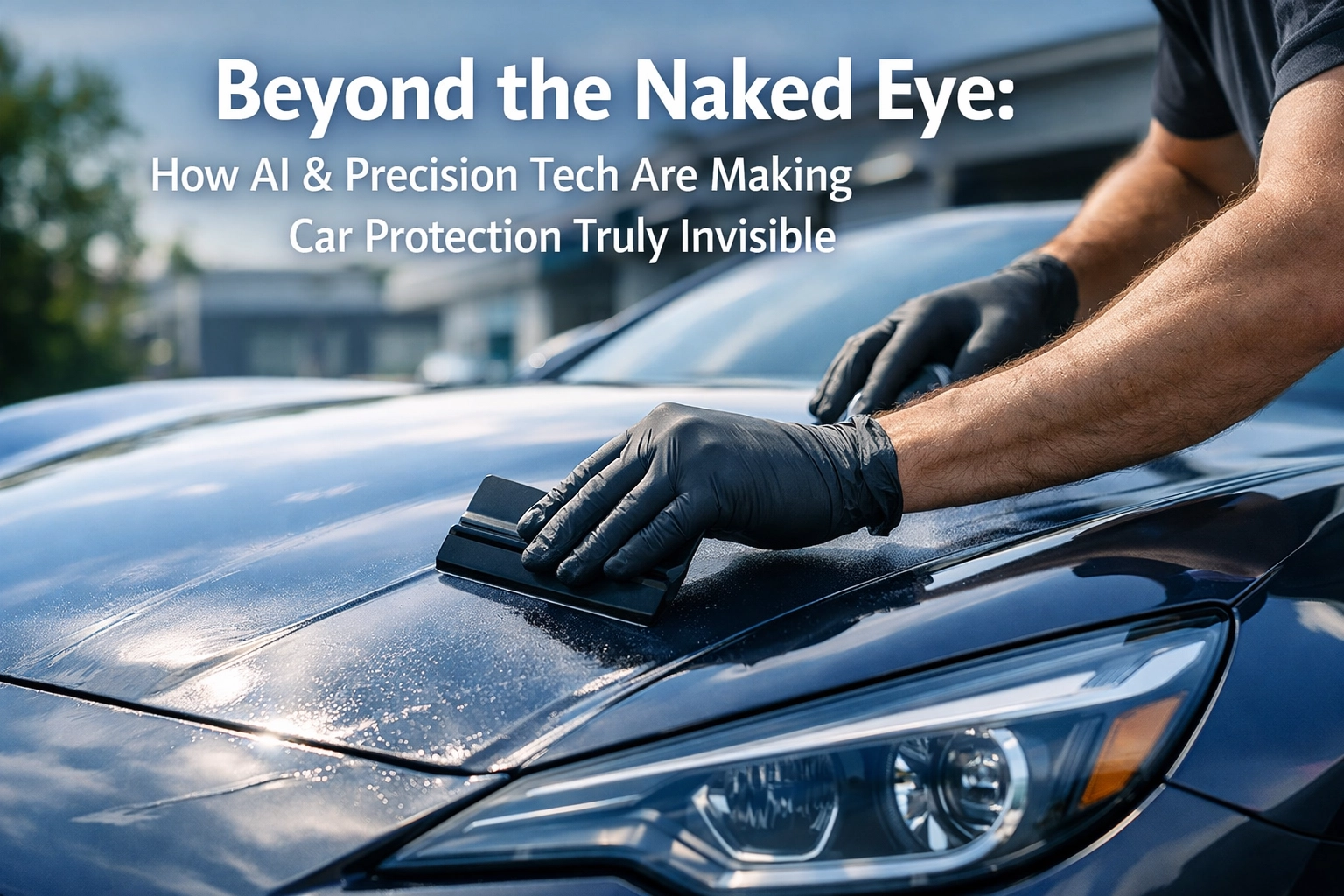
AI-pattern nesting uses machine-learning algorithms to analyze vehicle surfaces and generate cutting patterns that maximize material efficiency while minimizing visible seams. Traditional PPF installations relied on pre-cut templates or manual pattern work, which often resulted in noticeable edges, overlapping sections, or gaps in coverage.
The AI difference is precision at the millimeter level. Software scans the exact contours of your vehicle's paint: accounting for curves, body lines, and panel transitions: then maps the most efficient cutting pattern to reduce seams and eliminate waste. The result? Film sections align perfectly with body lines, wrap edges seamlessly, and create coverage that's virtually undetectable to the naked eye.
This matters in Houston because PPF installations need to withstand extreme UV exposure, 95-degree heat, and the constant assault of highway debris on I-45 and Beltway 8. When seams are poorly placed or edges lift due to imprecise cuts, the protection fails exactly where your paint needs it most.

How Does Precision Leveling Make LPPF Hand-Application Nearly Flawless?
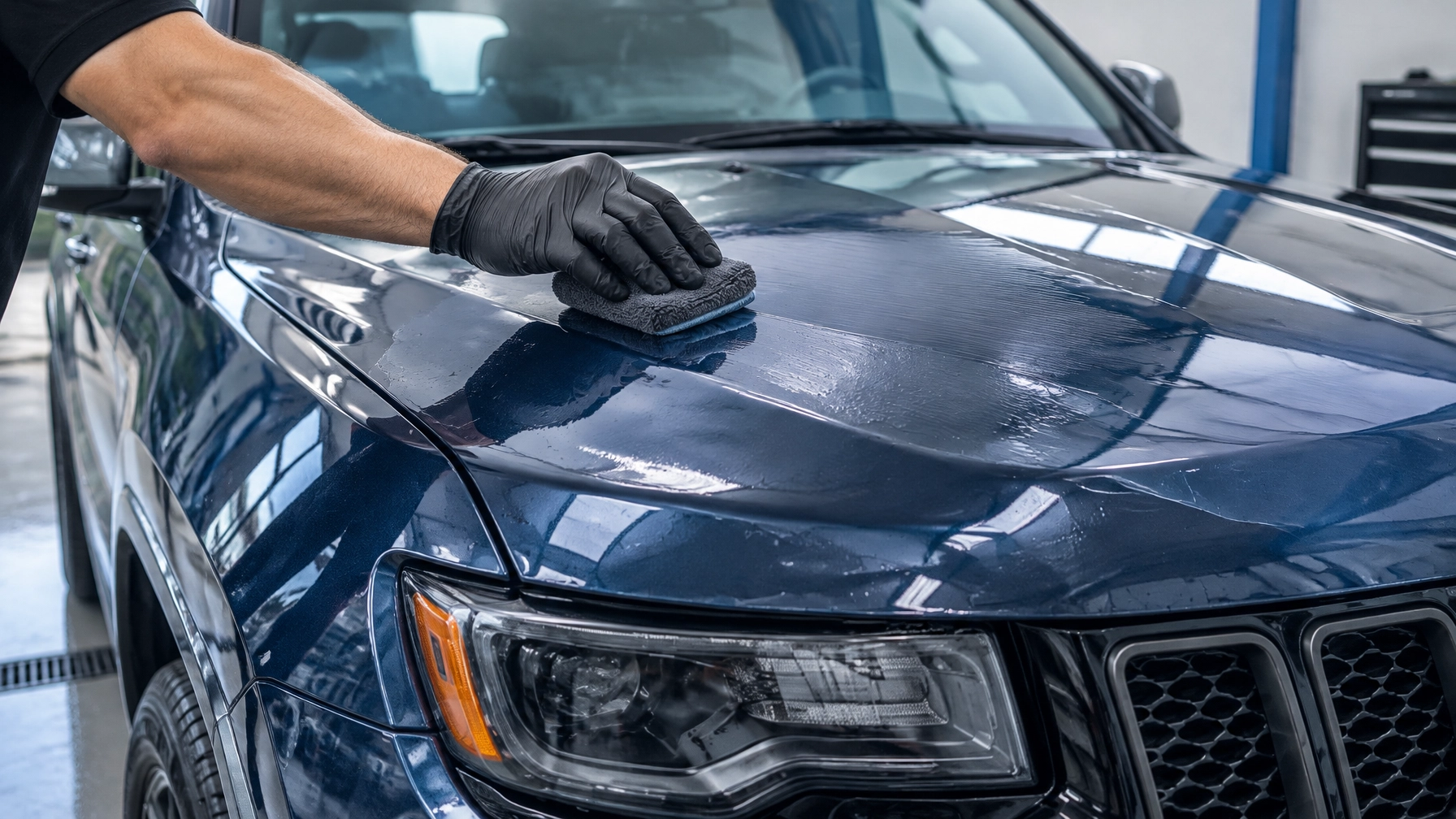
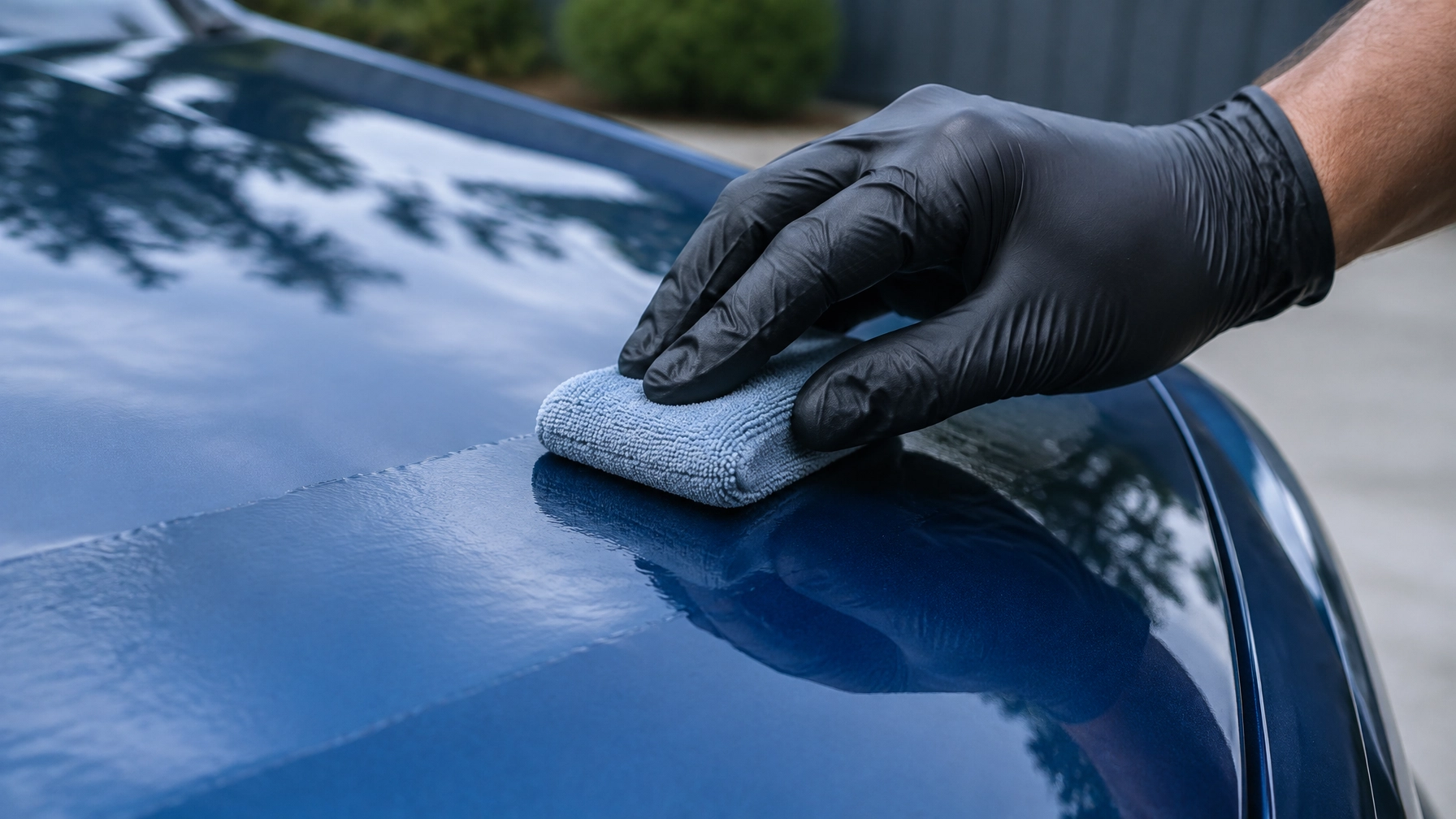
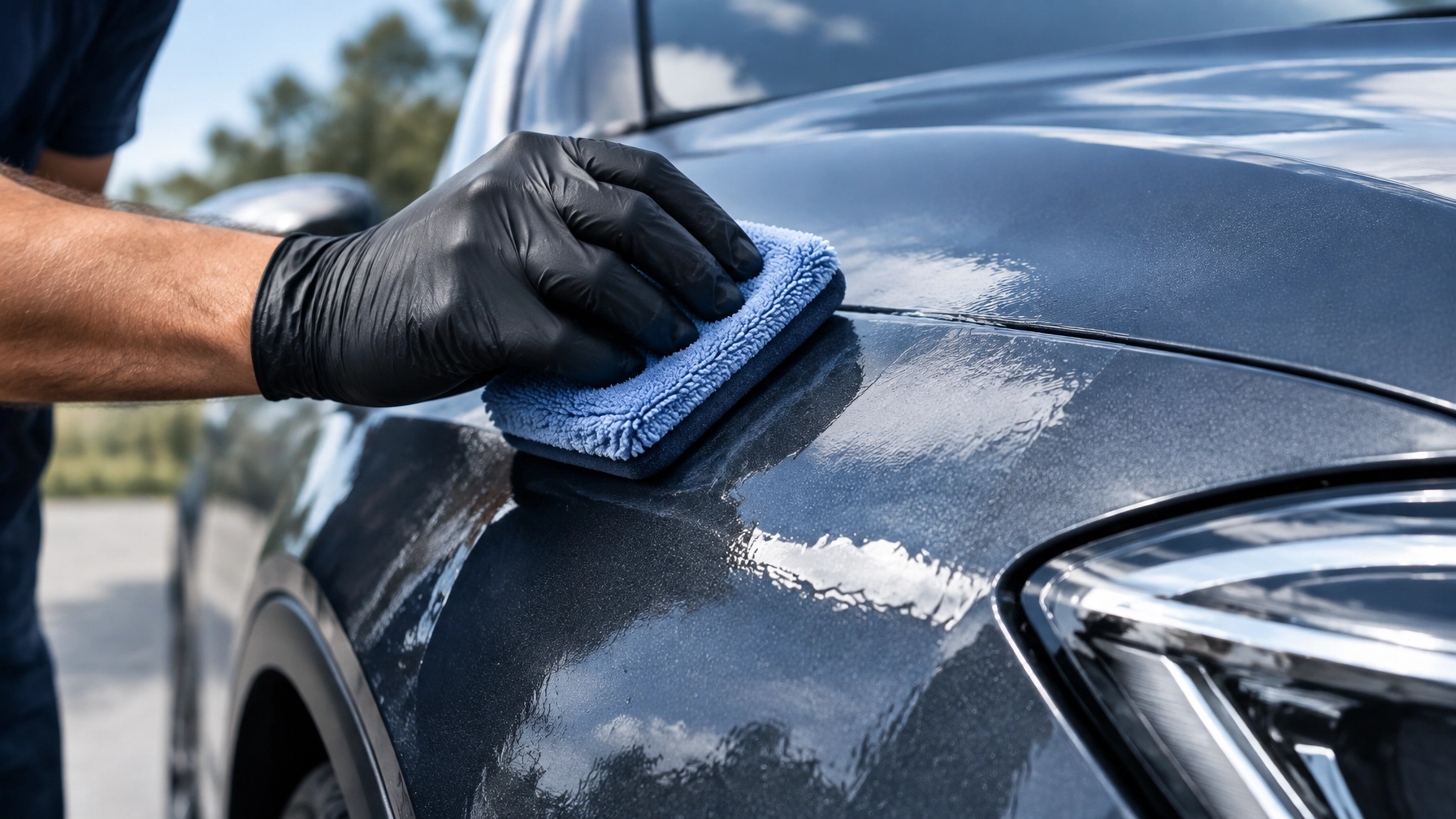
Liquid paint protection film requires a different approach entirely. Unlike traditional PPF, which arrives as pre-cut sheets, LPPF is hand-applied directly to your vehicle's surface using specialized tools and leveling techniques. The precision comes not from a machine, but from surface-reading technology that identifies microscopic imperfections before application begins.
Before any LPPF goes on, we use digital thickness gauges and surface analyzers to map paint depth, existing imperfections, and panel uniformity. This data informs how we prep each surface: decontamination, clay treatment, sometimes full paint correction: so the LPPF bonds to a perfectly level substrate.
The application itself is a hands-on process. An experienced installer works section by section, using cross-hatch techniques and controlled pressure to ensure uniform coverage without pooling, streaking, or thin spots. The leveling technology guides the process, but human judgment determines when a panel is ready, how much product to apply, and whether environmental conditions: Houston's humidity, for example: require adjustment to curing times.
The outcome is a hand-crafted protective layer that conforms to every curve and contour of your paint, creating an invisible shield that traditional spray-on products and machine-only applications simply can't match.

Can Technology Really Replace Human Expertise in Automotive Protection?
No. Not even close.
The AI and precision tools we use at Ceramic Enthusiasts are extraordinarily capable: they eliminate guesswork, improve efficiency, and raise the ceiling on what's possible. But they can't replace the judgment that comes from over a decade of owner-operated experience.
Technology tells us where to cut. Experience tells us whether the paint is ready to receive protection. Software generates optimal patterns. A trained eye catches the orange peel texture or previous damage that would compromise bonding. Machines ensure precision. Human hands deliver the meticulous attention required to work PPF around mirrors, door handles, and complex curves without lifting or bubbling.
Houston's environment adds another layer of complexity. Summer heat affects adhesive activation times. Humidity impacts curing rates for ceramic coating applications. Shipping corridor fallout from the Port of Houston or petrochemical facilities near Pasadena and South Houston requires more aggressive decontamination before any protection goes on. These variables demand real-time decision-making that no algorithm can replicate.
That's why we describe our approach as high-tech backed by high-touch. The technology makes perfection possible. The owner-operated craftsmanship makes it real.
Which Protection Actually Makes Sense for Houston Drivers: PPF vs Ceramic Coating?
Both options deliver serious protection, but they solve different problems. Understanding ppf vs ceramic coating comes down to what your paint faces daily and how long you plan to keep the vehicle.
Paint protection film: whether traditional PPF or hand-applied LPPF: is designed to absorb physical impact. Rock chips from freeway debris. Door dings in parking lots. Branch scratches on neighborhood streets in Friendswood or League City. The film takes the hit so your paint doesn't. When applied using AI-pattern nesting, modern PPF is re-leveling under heat, meaning minor scratches disappear when exposed to sunlight or warm water.
Ceramic coating, on the other hand, creates a semi-permanent hydrophobic barrier that repels water, contaminants, and UV damage. It bonds at the molecular level to your clear coat, delivering a mirror-like finish that makes washing faster, reduces water spotting from Houston's hard water, and protects against oxidation over years of sun exposure.
The smart move? Many Houston drivers pair both. PPF on high-impact zones: front bumper, hood, fenders, mirrors: protects against physical damage. Ceramic coating over the entire vehicle, including the PPF itself, adds hydrophobic properties and makes maintenance effortless.
At Ceramic Enthusiasts, we walk through which combination makes sense for your specific driving patterns, vehicle type, and budget during the consultation. Whether you're commuting daily on 288 or keeping a weekend car pristine, there's a protection strategy that fits.

Do Houston's Conditions Really Demand Invisible Protection?
Absolutely. In fact, Houston's climate makes invisible, comprehensive protection more critical than in most markets.
The refineries and industrial corridors throughout the greater Houston area deposit microscopic contaminants onto vehicle surfaces daily. These particles bond to paint under heat and UV exposure, creating embedded contamination that traditional washing can't remove. Without protection, this fallout etches into clear coat over time, dulling the finish and creating permanent damage.
Then there's the heat. Temperatures regularly hit the mid-90s for months straight, intensifying UV degradation and accelerating oxidation. Paint that isn't protected fades, chalks, and loses gloss within a few years.
Add in the stop-and-go traffic on every major freeway, and the constant barrage of rock chips becomes inevitable. Unprotected paint accumulates damage from debris kicked up by 18-wheelers, construction trucks, and everyday commuters.
Invisible protection matters because your vehicle's appearance degrades slowly: so slowly you might not notice until the damage is permanent. By the time you see the dullness, the water spots, or the chips, you're looking at paint correction services or worse.
That's the value of AI-precision PPF and hand-applied LPPF: protection so comprehensive and seamless, it works without you ever thinking about it. The technology ensures coverage extends to every vulnerable edge. The human expertise ensures it bonds perfectly and lasts through dozens of Houston weather cycles.

How Does the Installation Process Actually Work at Ceramic Enthusiasts?
Every installation starts with a comprehensive consultation. We assess your vehicle's current condition, discuss your driving habits and concerns, and determine which protection strategy: ceramic coating, PPF, LPPF, or a combination: delivers the best long-term value.
For ceramic coating in Houston or ceramic coating in Pearland, the process begins with full decontamination and often paint correction to remove existing swirls, oxidation, and imperfections. The coating bonds to your clear coat at the molecular level, so the surface needs to be flawless before application. We cure the coating under controlled conditions, then conduct a final inspection to ensure uniform coverage and proper hydrophobic performance.
For PPF installations using AI-pattern nesting, we start with digital surface mapping to generate custom cutting patterns. The film is precision-cut using these patterns, then carefully applied panel by panel. Edges are wrapped and sealed to prevent lifting. Each section is inspected under high-intensity lighting to catch any imperfections before curing.
LPPF application is a hand-applied process that requires even more meticulous surface prep. After decontamination and any necessary paint correction, we use digital leveling tools to confirm the surface is perfectly uniform. The liquid film is then worked across each panel using specialized techniques to ensure even thickness and complete coverage. Curing times are adjusted based on current humidity and temperature conditions to guarantee proper bonding.
Because we're owner-operated and work one car at a time, installations aren't rushed. A proper ceramic coating application takes 1-2 days depending on vehicle size and condition. Full PPF coverage can take 2-3 days. The timeline reflects the level of care required to deliver truly invisible, long-lasting protection.
What Happens After the Protection Goes On?
The technology and craftsmanship extend beyond installation. Modern protection systems require minimal maintenance, but understanding how to care for them ensures maximum longevity.
Ceramic-coated vehicles stay cleaner longer thanks to hydrophobic properties that cause water and contaminants to bead off. Regular washing with pH-neutral soap maintains the coating's performance. Avoid automatic car washes with harsh chemicals or abrasive brushes: these can degrade the coating over time.
PPF and LPPF-protected surfaces benefit from the same gentle washing approach. The its re-leveling capability of quality PPF activate under heat, so parking in the sun or rinsing with warm water helps minor scratches disappear. For LPPF, periodic inspections ensure the hand-applied layer maintains uniform protection across all panels.
We provide detailed care instructions after every installation and offer maintenance packages for clients who want professional upkeep. Most ceramic coatings carry warranties ranging from 3-10 years depending on the product tier, while quality PPF installations protect for 5-10 years before requiring replacement.
Houston drivers who invest in invisible protection report noticeable benefits from the first rainstorm: water sheets off effortlessly, brake dust rinses away with minimal effort, and the finish maintains its mirror-like gloss through years of sun exposure.
Technology has transformed what's possible in automotive protection, but it hasn't replaced the need for owner-operated expertise and meticulous attention to detail. At Ceramic Enthusiasts, we've embraced AI-pattern nesting and precision-leveling tools because they allow us to deliver results that simply weren't achievable a decade ago. But we also understand that Houston's demanding climate requires more than just cutting-edge equipment: it requires experience, craftsmanship, and a commitment to working one car at a time until the results are perfect.
Whether you're researching ppf vs ceramic coating or looking for comprehensive protection that vanishes into your paint, we're here to walk through what makes sense for your specific vehicle and driving conditions. Call us at 281-626-9384 to schedule a consultation, or explore our full range of ceramic coating services to see how invisible protection delivers visible results.