Houston's relentless sun, brutal humidity, and stop-and-go traffic along I-45 create a perfect storm for paint damage. Most car owners think a weekend wash keeps their vehicle protected, but DIY auto detailing mistakes often do more harm than good. Swirl marks, scratches, and accelerated clear coat failure aren't just aesthetic problems: they're permanent paint damage that reduces your vehicle's value and protection against the Texas elements.
Professional auto detailing in Houston isn't about making your car look good for a week. It's about preserving the integrity of your paint system through proper technique, correct products, and an understanding of how Houston's climate attacks automotive finishes. Here are the five most common mistakes we see: and why they're costing you more than you think.
What Happens When You Use Dirty Wash Mitts and Towels?
Every wash mitt and drying towel collects dirt, brake dust, and microscopic debris. When you reuse contaminated materials, you're dragging abrasive particles across your paint at high pressure. This creates swirl marks: those spider-web patterns visible under direct sunlight or LED lighting.
The damage compounds in Houston's environment. Our roads deposit industrial fallout from shipping corridors and refineries. That fine black dust settling on your hood isn't just dirt: it's embedded metallic particles that act like sandpaper when rubbed with a dirty mitt.

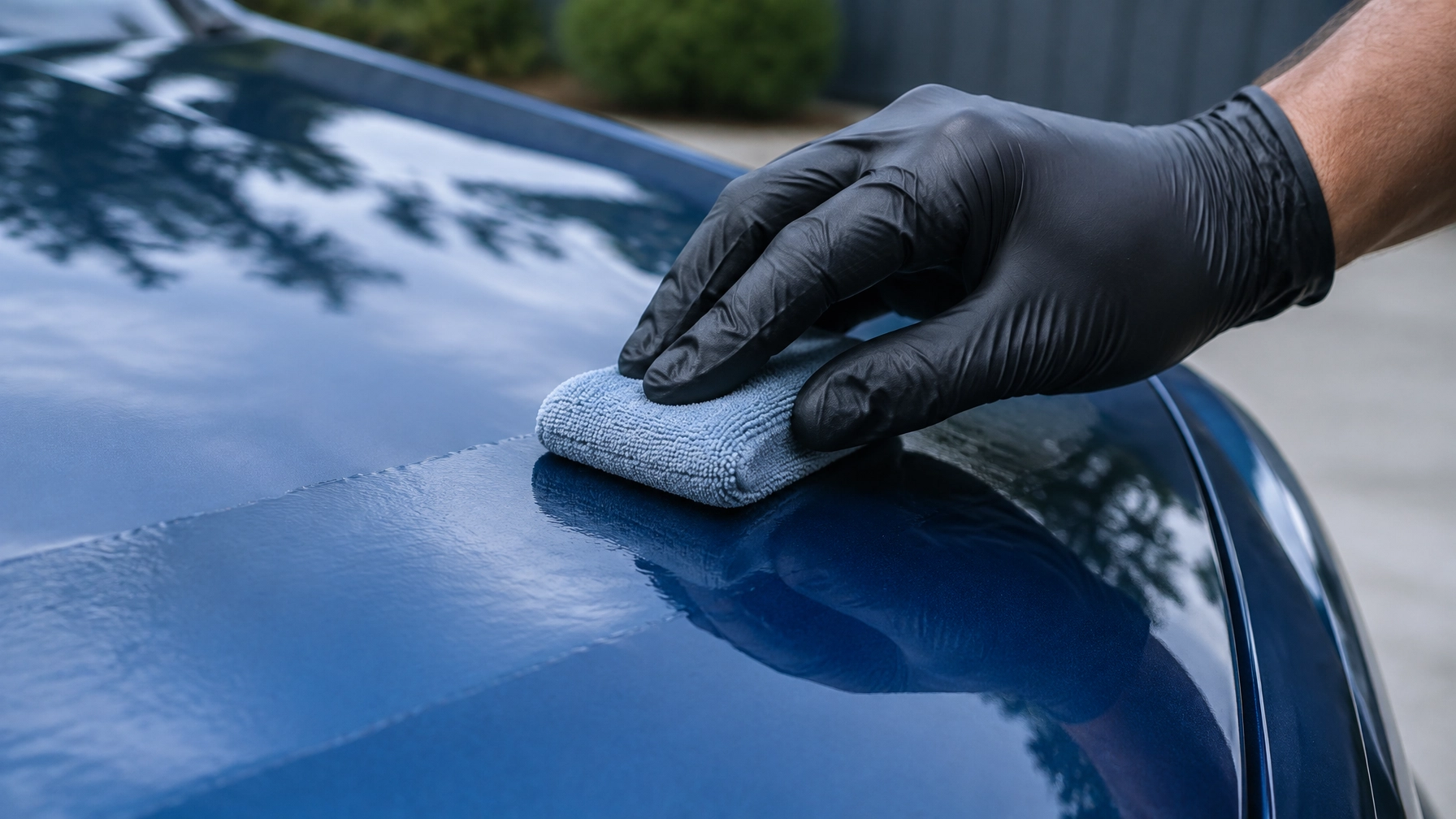
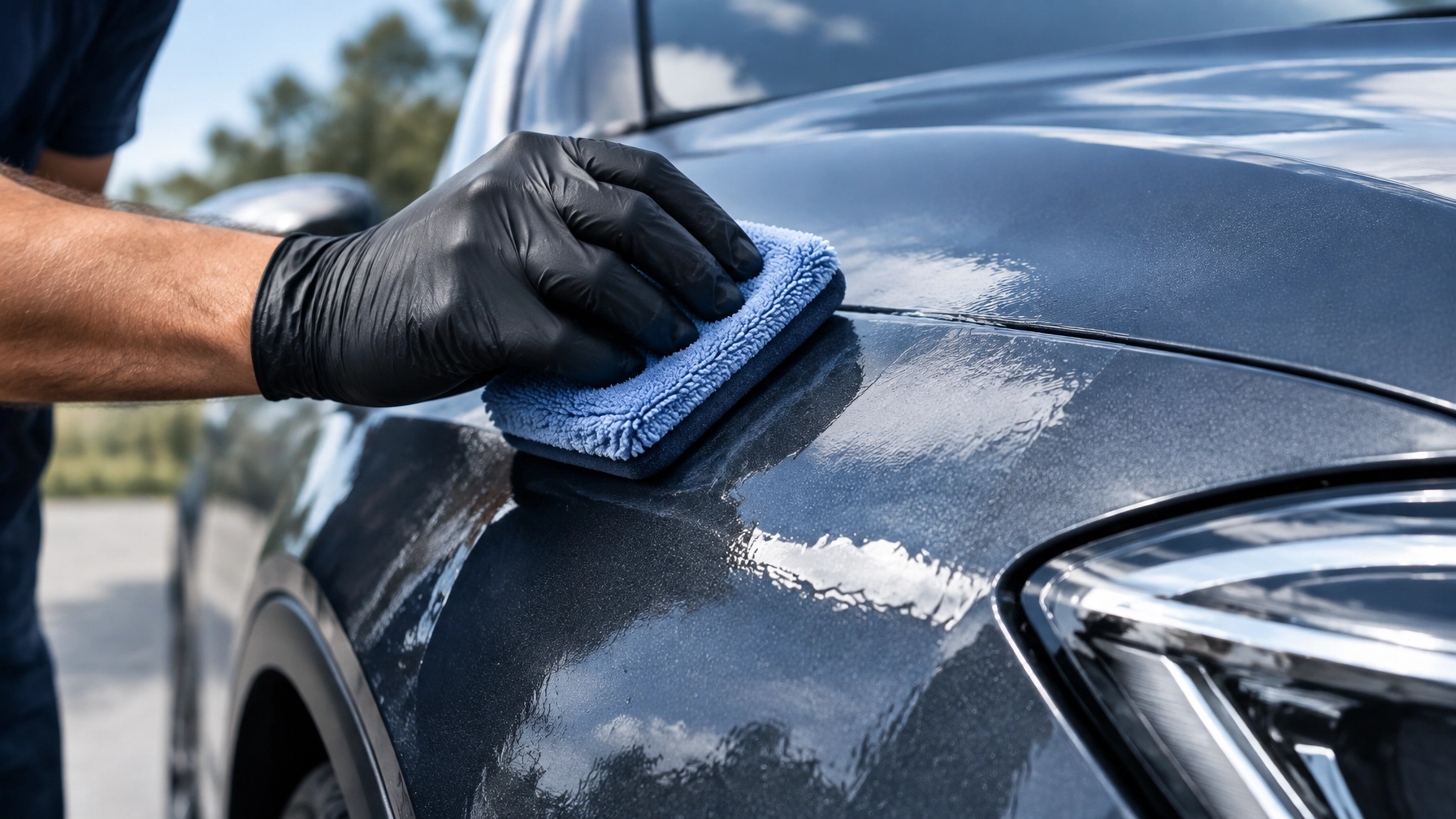
Professional in-shop paint protection in Houston uses color-coded microfiber systems. One set touches painted surfaces. Another handles wheels and lower panels where contamination concentrates. Fresh mitts for every vehicle prevent cross-contamination. This isn't excessive: it's the minimum standard for preventing permanent paint marring.
Replace your wash mitts every 10-15 washes. Inspect drying towels for embedded grit before every use. A $15 mitt saves you from $800 paint correction later.
How Does Improper Washing Technique Create Swirl Marks?
The most destructive washing habit involves tackling your entire vehicle with one bucket and one mitt. You start at the roof, move to the fenders, then down to the rockers and rear bumper. By the time you reach the trunk, your mitt is loaded with road grime, and you're grinding it across every panel.
Swirl marks result from three technical failures: excessive pressure, circular motions, and contaminated wash media. When you scrub in circles with a dirty mitt, you're creating microscopic scratches in random patterns. Under Houston's intense sun, these defects scatter light and create that dull, hazy appearance on what should be glossy paint.

The two-bucket method isn't optional: it's fundamental. One bucket holds clean soapy water. The second contains rinse water with a grit guard at the bottom. After each panel, you rinse your mitt in the second bucket, rub it against the grit guard to release trapped particles, then reload with fresh soap. Work from top to bottom in straight lines, never circles.
Professional auto detailing Houston services understand panel-by-panel washing. Lower sections get separate attention with dedicated mitts because the contamination level demands it. This methodical approach prevents transferring heavy debris from your wheel wells onto your hood.
Can You Polish Before Decontaminating the Paint?
Skipping decontamination before polishing means you're rubbing embedded iron particles, tree sap, and industrial fallout directly into your clear coat. Houston vehicles collect bonded contaminants from refineries, construction sites, and the Port of Houston. These aren't water-soluble: they chemically bond to your paint.
When you go straight to polishing, your pad picks up these particles and drags them across the paint at 1,500 RPM. The result is deep scratches, pad residue, and inconsistent correction. You're essentially using your $200 polisher as an expensive scratch-creating machine.

Professional paint correction starts with iron removal treatments that dissolve metallic particles without touching the paint. Clay bar treatment follows, using proper lubricant: never plain water, which causes the clay to grab and mar the surface. Only after complete decontamination does polishing begin.
This three-stage process matters more in Houston than cooler climates. Our 95-degree temperatures and high humidity accelerate contamination bonding. What takes weeks to develop in Colorado happens in days here. Decontamination isn't prep work: it's paint protection.
What Goes Wrong During DIY Paint Correction?
Paint correction involves removing microscopic layers of clear coat to level out scratches and swirl marks. The margin for error is roughly 2-3 mils of clear coat: about the thickness of a plastic grocery bag. Apply too much pressure, use a dirty pad, or work at the wrong speed, and you burn through to the base coat.
DIY mistakes include using the same pad for multiple vehicles, applying inconsistent pressure, and working too fast across panels. You also generate heat: lots of it. Without proper technique, that heat causes paint swelling, which temporarily hides defects. You think you've removed the scratches, but once the paint cools, they reappear.

Professional auto detailing in Houston uses paint depth gauges before any correction work. We measure clear coat thickness at multiple points, map the panel, and adjust our approach accordingly. Some areas only tolerate single-stage correction. Others can handle aggressive multi-stage work.
Over ten years of experience teaches you to read paint under halogen work lights, adjust pressure by feel, and recognize when you've reached the correction limit. These aren't skills you develop from YouTube tutorials: they come from correcting thousands of panels and learning what Houston's UV exposure does to different paint systems.
Are You Using Products That Actually Strip Your Paint?
Dish soap, household glass cleaners, and all-purpose degreasers have no place in automotive detailing. Dish soap is engineered to cut grease on dishes: it also strips wax, sealants, and protective coatings from your paint. That squeaky-clean feel after washing with Dawn means you've removed every protective layer.
Cheap detailing products from big-box stores often contain harsh solvents and fillers. They might create temporary shine, but they're degrading your clear coat with every application. Pouring product directly onto paint creates uneven streaking and product buildup that traps contaminants.
Professional-grade pH-balanced car shampoos clean without stripping. They're formulated to work with ceramic coatings, maintain existing protection, and rinse clean without residue. The difference in cost is $15 versus $8: minimal compared to the protection you're maintaining.
Houston's climate demands premium products. Our combination of heat, humidity, and UV intensity breaks down inferior formulas within weeks. What works in Seattle fails here by July. Professional in-shop paint protection service in Houstons use products proven in our specific environmental conditions.

Why Does Professional Auto Detailing in Houston Matter?
Every mistake outlined above becomes permanent without proper correction. Swirl marks don't buff out with wax. Scratches from contaminated mitts penetrate deep into clear coat. Burned-through paint from incorrect polishing requires expensive respraying.
Owner-operated professional detailing eliminates these risks through systematic process, correct products, and meticulous attention to each vehicle. One car at a time means your paint receives the individual assessment it needs: not the assembly-line approach that creates these problems in the first place.
The Houston climate doesn't forgive shortcuts. Damaged clear coat accelerates oxidation under our intense sun. Exposed base coat allows moisture penetration during our thunderstorms. What starts as minor swirl marks becomes major paint failure requiring bodywork.
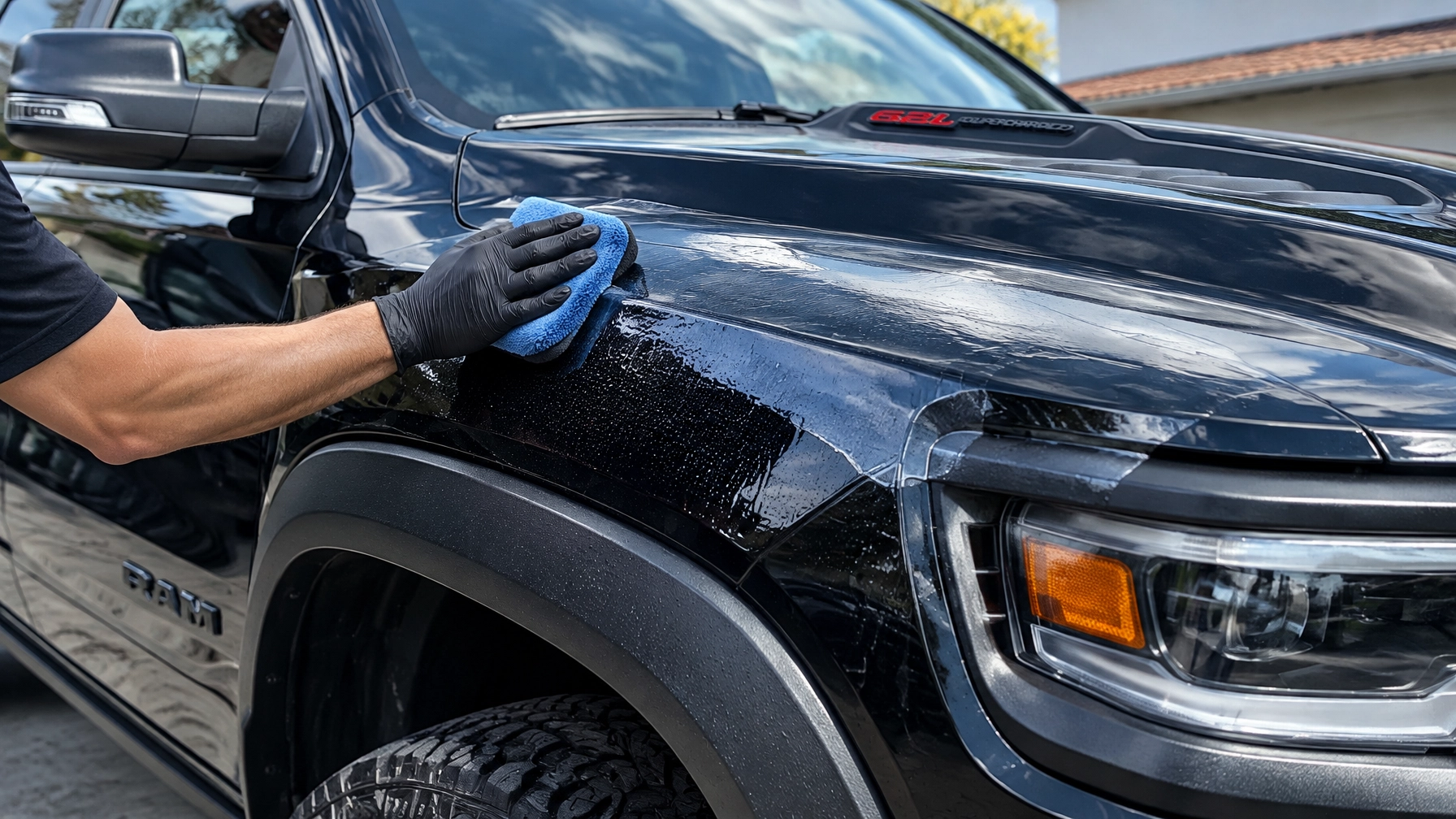
Professional paint correction removes existing damage, then protective treatments like automotive ceramic coating seal the corrected surface. This isn't cosmetic: it's structural protection against environmental attack. The ceramic coating bonds at a molecular level, creating a sacrificial layer that takes the UV damage instead of your clear coat.
Maintenance becomes simpler. Protected paint sheds contaminants during routine washes. Brake dust doesn't bond to ceramic-coated wheels. Bird droppings and tree sap wipe away before they etch the surface. You're not just buying a service: you're investing in long-term paint preservation.
What Should Houston Drivers Do Next?
Assess your current paint condition under direct sunlight or LED lighting. Those swirl marks and scratches represent cumulative damage from improper technique. Professional paint correction can remove defects, but prevention through correct process matters more than repeated correction.
If you're committed to DIY washing, invest in proper materials: pH-balanced shampoo, multiple microfiber mitts, two buckets with grit guards, and dedicated drying towels. Work top-to-bottom in straight lines, never circles. Replace contaminated materials immediately.
For paint correction, ceramic coating, or addressing existing damage, professional auto detailing in Houston delivers results impossible to achieve at home. The equipment, experience, and product knowledge required exceed weekend warrior capability: especially in our demanding climate.
Schedule a consultation to evaluate your paint's current condition and determine the appropriate correction level. Whether you need full multi-stage correction or simple enhancement, starting with professional assessment prevents costly mistakes. Connect with Ceramic Enthusiasts at 281-626-9384 or visit our service area page to see if we cover your location throughout Houston, Pearland, Pasadena, and surrounding areas.
Your vehicle's paint is one of its most valuable components. Protect it correctly from the start, or invest in professional correction before Houston's climate makes the damage permanent.