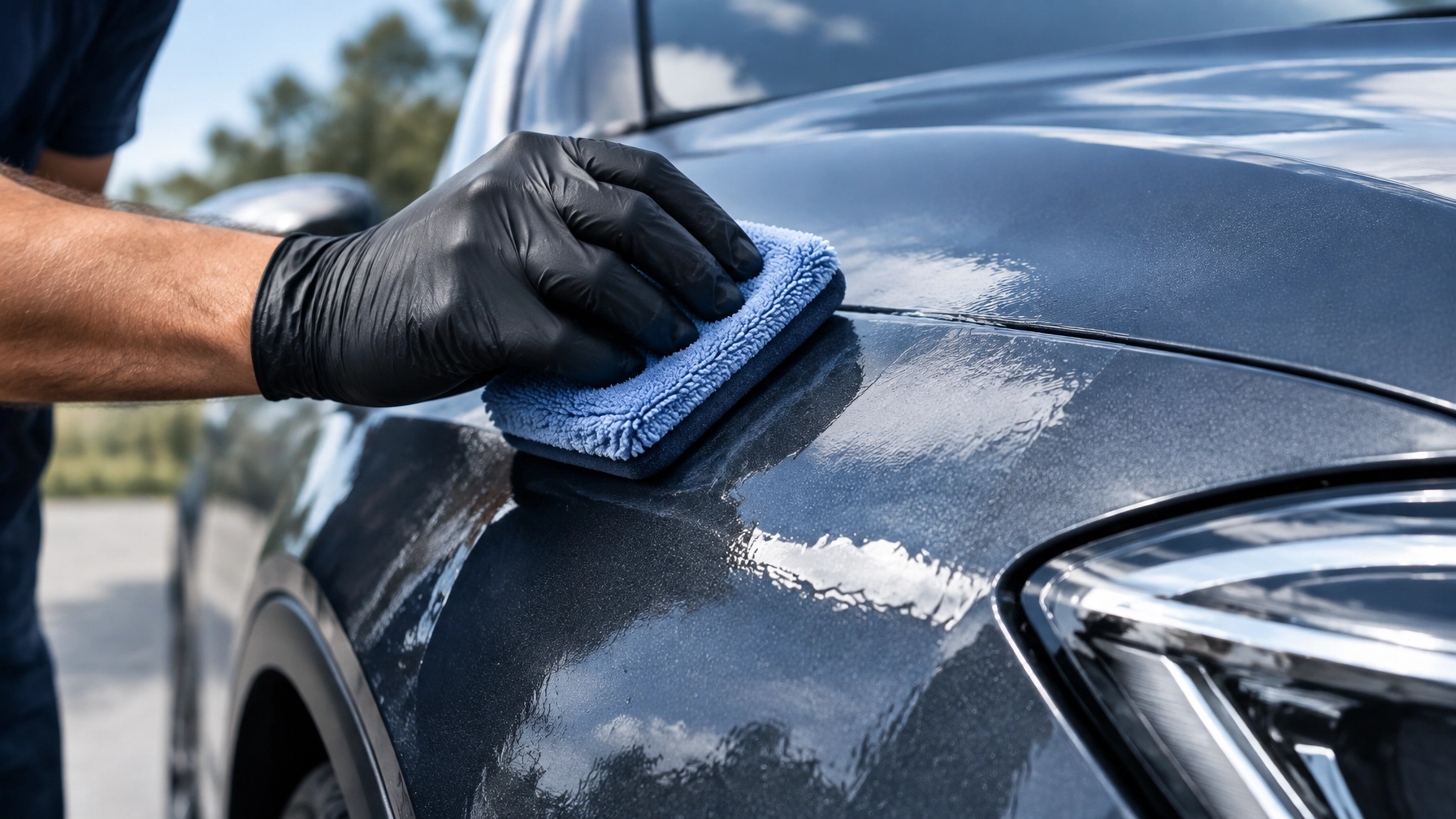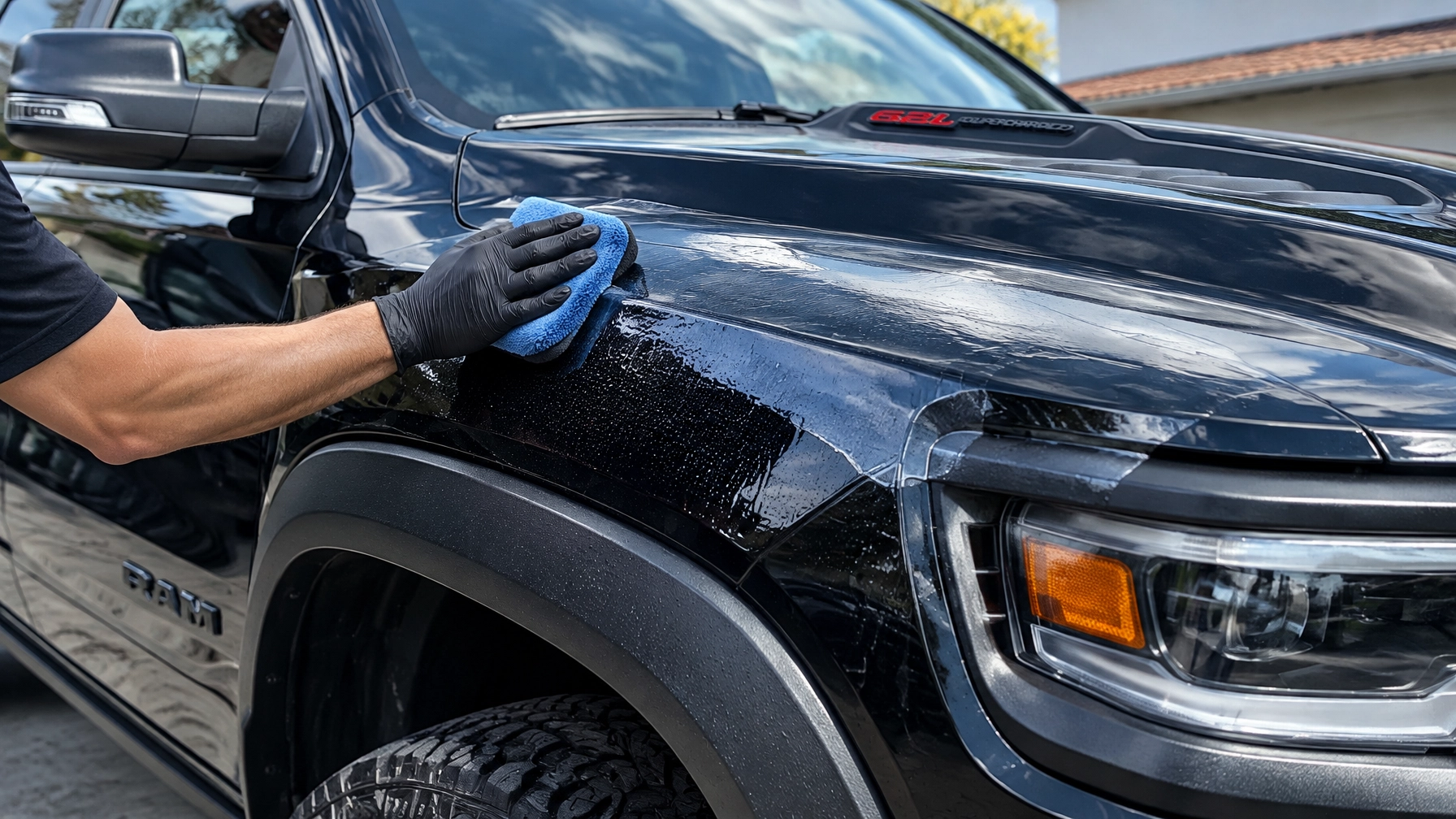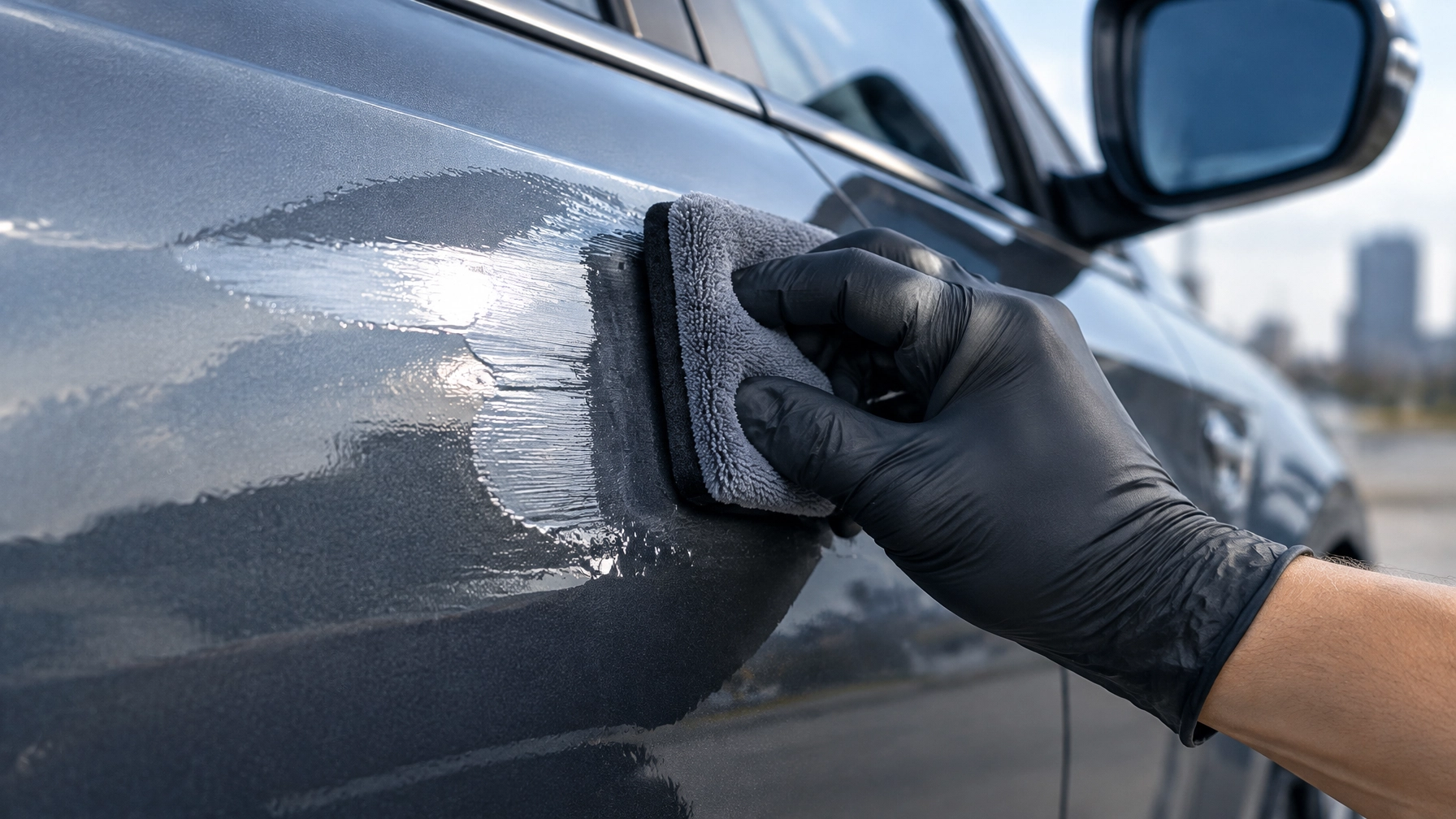
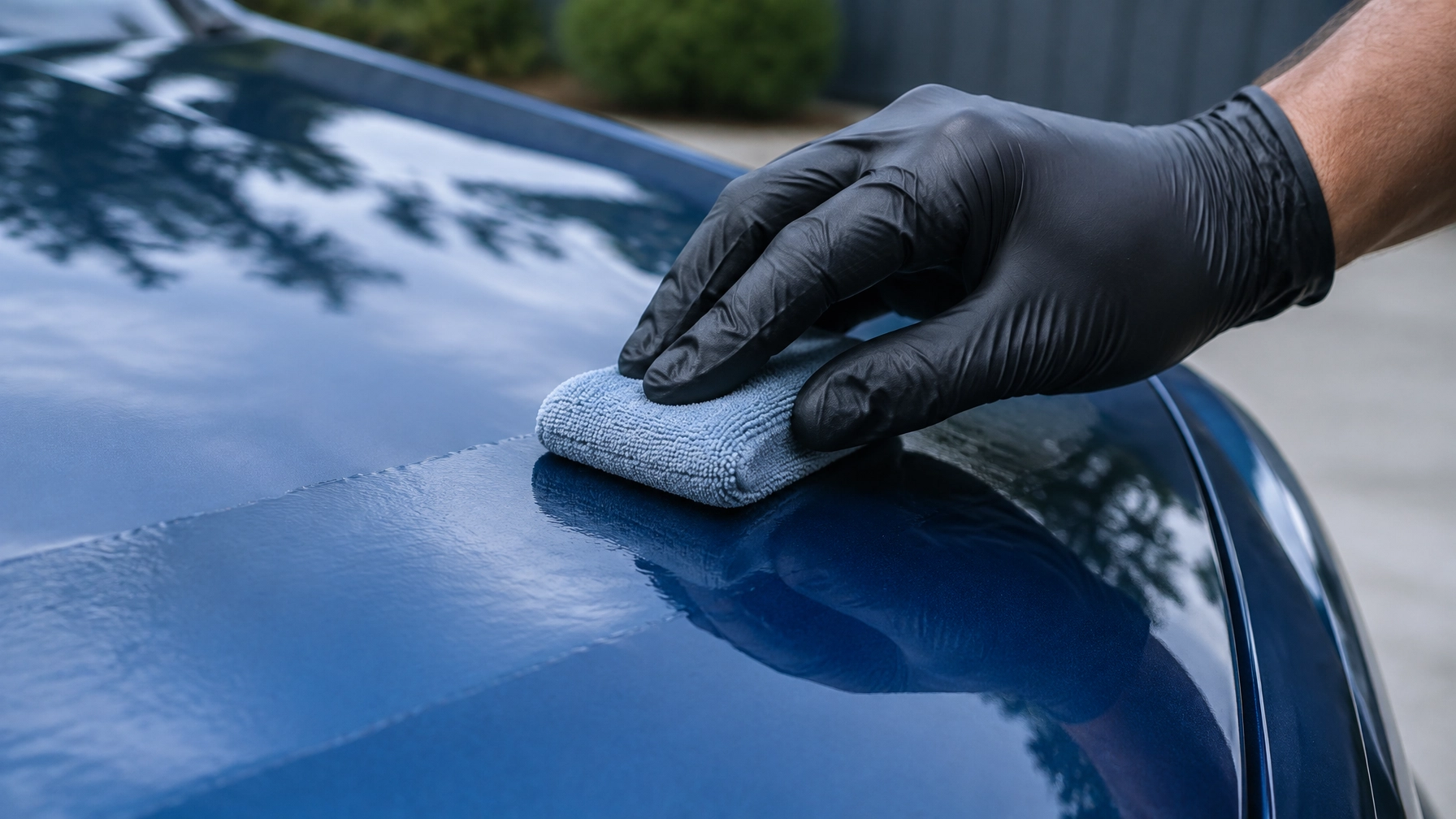
Houston paint correction restores clarity and gloss, but the right result starts with careful inspection and a realistic plan. If you’re searching “paint correction near me,” ask these seven questions before booking, whether you drive in Houston, Pearland, League City, Pasadena, Deer Park, South Houston, Galveston, Clear Lake, Webster, Friendswood, or Alvin.
Paint correction uses polishing to reduce defects and refine the finish. It does not repair every kind of paint damage, and it should preserve as much sound clear coat as possible. These questions can help you compare providers for paint correction Houston drivers can trust, and understand what protection makes sense after the work.
What defects can paint correction actually improve?
Paint correction can reduce or remove many surface-level defects, including wash-induced swirl marks, light scratches, haze, and some oxidation. It uses polishing compounds and pads to refine the clear coat, improving how evenly light reflects from the paint. That’s what creates a clearer, deeper finish.
Not every mark can safely be polished away. A scratch that has gone through the clear coat, a rock chip, peeling clear coat, or damaged paint may need a different repair. Ask the detailer to identify which defects are likely to improve and which should remain or be referred for repair. A clear explanation is more valuable than a promise of perfection.
A good correction goal balances visible improvement with paint preservation. That balance matters on daily drivers exposed to freeway grit, stop-and-go traffic, and frequent washing.
How will you inspect the paint and set a safe correction goal?
A thorough inspection helps determine the vehicle’s condition before polishing begins. Ask whether the detailer checks the paint under proper lighting, looks for evidence of previous repairs, and explains the proposed level of correction. A test spot can also show how the paint responds to a specific polishing approach before the full vehicle is treated.
Correction removes a very thin amount of clear coat to level certain surface defects. Because that material cannot simply be put back, the goal should be the least aggressive process that achieves a meaningful improvement, not removing every visible mark at any cost.
At Ceramic Enthusiasts, correction is customized to paint condition. The paint correction service focuses on restoring clarity while preserving the integrity of the finish.

What preparation happens before polishing?
Proper preparation removes contaminants that washing alone may leave behind. Ask whether the process includes a careful wash, chemical decontamination, and clay treatment when needed. Iron particles, road film, tar, and other bonded debris can affect how smoothly a polishing pad moves across the surface.
Houston’s busy roadways, shipping corridors, and industrial areas expose vehicles to a mix of road grime and airborne fallout. Pollen, bug residue, and water spots add to the burden. Polishing before adequate decontamination can drag contaminants across paint and create new marks instead of refining the finish.
Preparation also includes inspecting the surface and identifying sensitive trim or edges that need attention. These steps take time, but they set up safer, more consistent polishing and a cleaner final result.
Which correction stage suits my vehicle and quote?
The appropriate correction stage depends on paint condition, vehicle size, and your desired result. A lighter polishing service may be enough for mild swirls and dullness. More noticeable defects may require additional passes. Ask what the quoted process includes and what level of improvement is realistic for your paint.
Request an itemized estimate that identifies preparation, correction, and any protection included afterward. Confirm whether the quote changes for an SUV, truck, prior paint repair, or heavier-than-expected defects. “Paint correction” can describe different levels of work, so comparing prices without comparing scope may lead to the wrong choice.
The paint correction plan begins with an evaluation rather than assuming every vehicle needs the same polishing package. That helps match the work to the condition of your finish.

How does Houston weather affect the process and the finish?
Houston’s intense summer sun, heat, humidity, and sudden thunderstorms make paint condition and working conditions important. On a 95-degree day, a sunlit panel can become hotter than the surrounding air. A detailer should explain how they control panel temperature, lighting, and the work environment for consistent polishing and inspection.
Ask how the vehicle will be checked for haze, remaining defects, and polishing residue before protection is applied. In strong lighting, a panel can look different from how it appears in shade. A careful final inspection helps confirm that the finish is even across the vehicle.
For commuters traveling through Houston and nearby cities, prevention matters after correction. Daily exposure to road debris, bugs, bird droppings, and UV light can wear on unprotected paint. A defined protection plan helps preserve the corrected finish between washes.
What protection should follow correction?
For Houston drivers concerned about rock impacts and road debris, hand-applied Liquid Paint Protection Film (LPPF) is the primary protection to discuss after correction. LPPF cures into a protective polymer film over the paint. If a rock impact causes a blemish in the LPPF, the affected area can be re-leveled to restore a smoother finish. It is protection, not a guarantee against every impact, so ask which areas and outcomes are covered by the selected service.
Explore Liquid Paint Protection Film as the first protection option after correction. Premium-grade automotive ceramic coating can complement LPPF with hydrophobic performance, gloss, and easier maintenance. The two services address different needs: LPPF adds a protective film, while ceramic coating enhances surface slickness and helps water and grime release more readily.
You can also ask whether glass ceramic coating or wheel ceramic coating fits your driving routine. These add-ons address rain and visibility on glass, or brake dust and grime on wheels.

Do you provide a final inspection and clear aftercare guidance?
Yes, a professional handoff should explain what was completed, what defects remain, and how to care for the finish. Ask how long to wait before washing if a coating or other protection is applied, which wash products to use, and how to avoid introducing fresh swirls. Clear instructions make maintenance faster and safer for the corrected surface.
The difference between rushed work and meticulous attention is often visible in the inspection. Ceramic Enthusiasts is owner-operated, with over 10 years of experience and a one-car-at-a-time approach. Learn more about the team and its process on the About Us page.
Whether you’re comparing auto detailing Houston providers or ready to schedule paint correction, choose the detailer who explains the process, limits, and next steps clearly. Contact Ceramic Enthusiasts at 281-626-9384 to discuss your vehicle and determine whether paint correction and LPPF are the right fit.