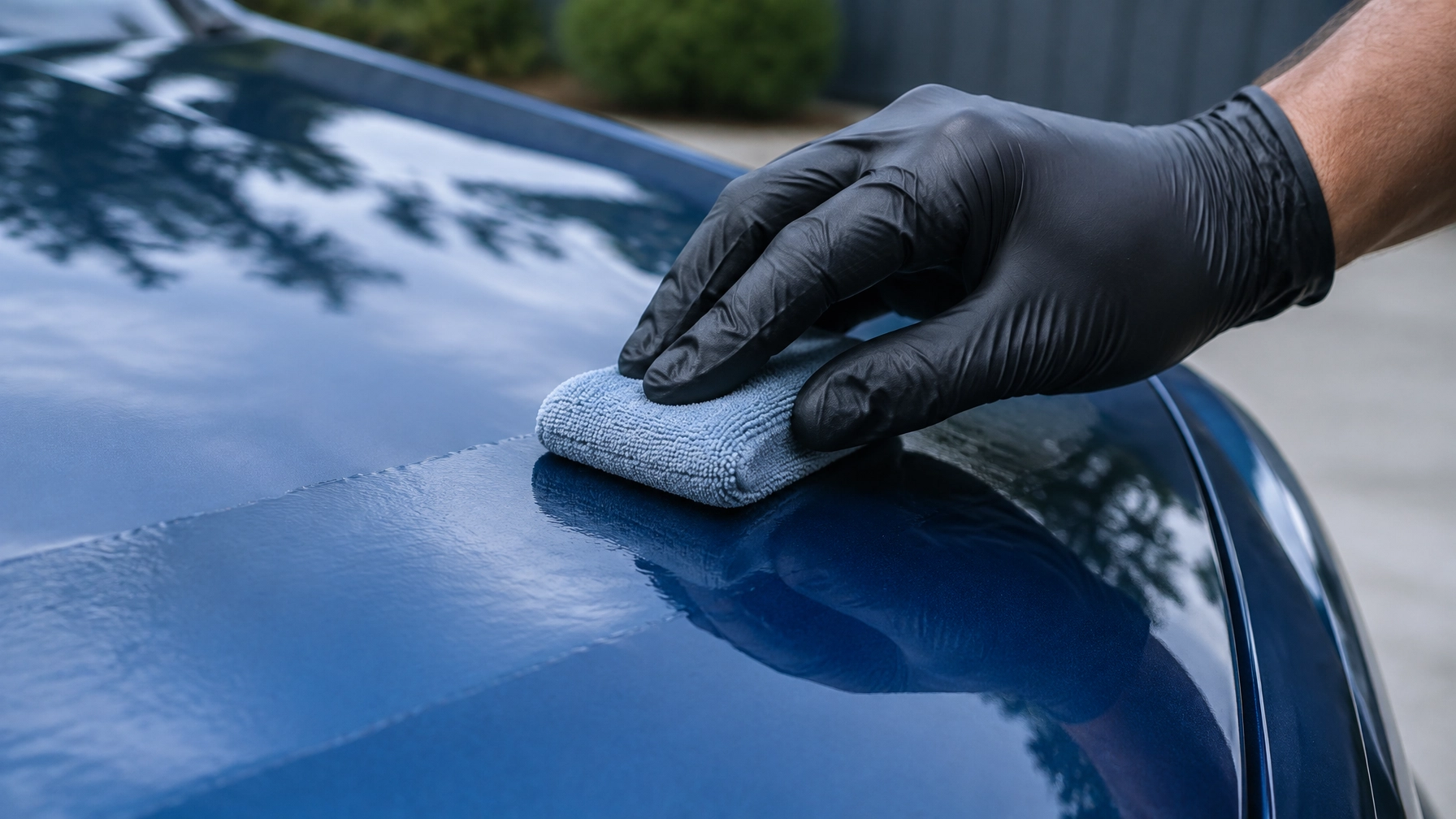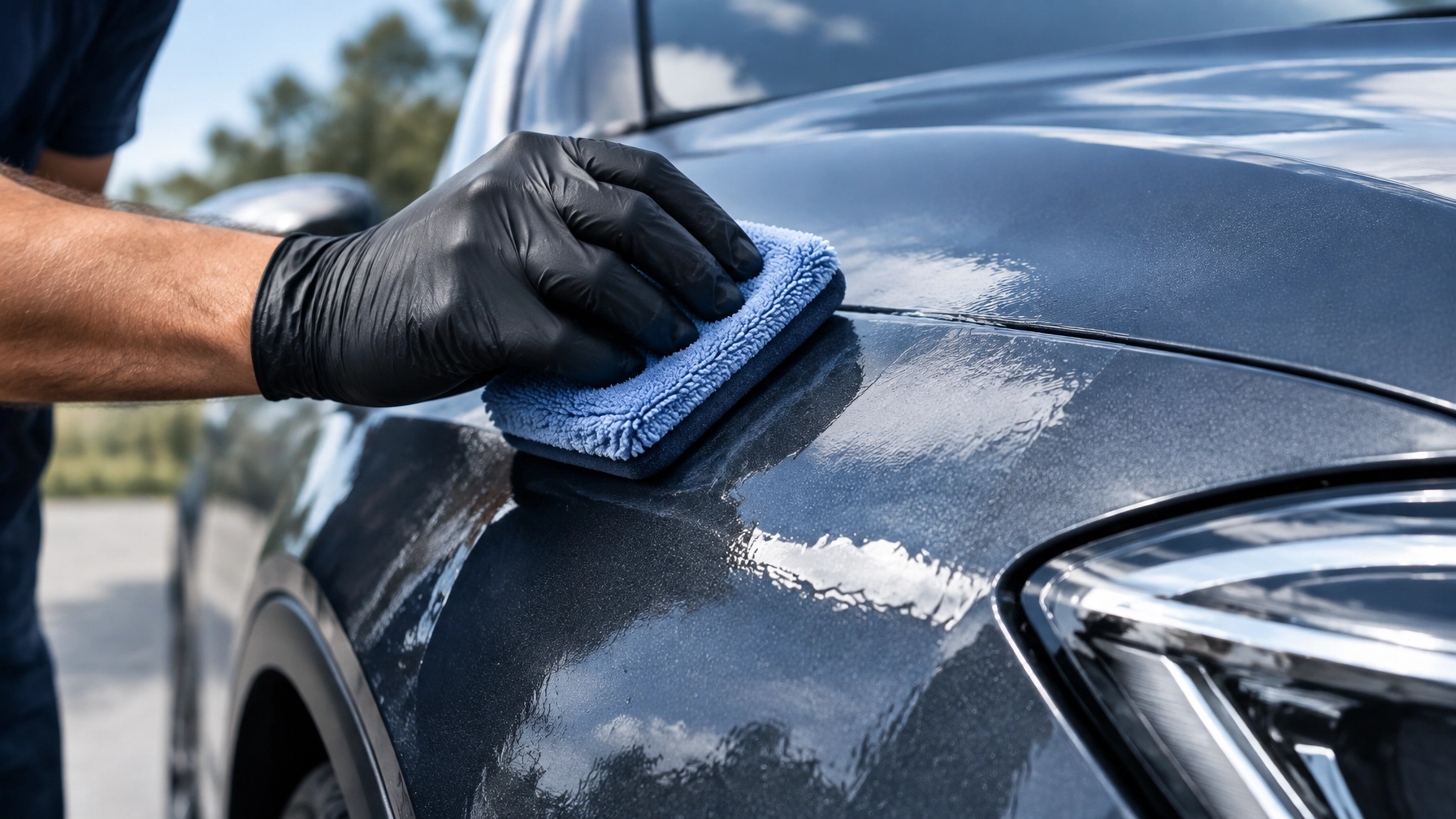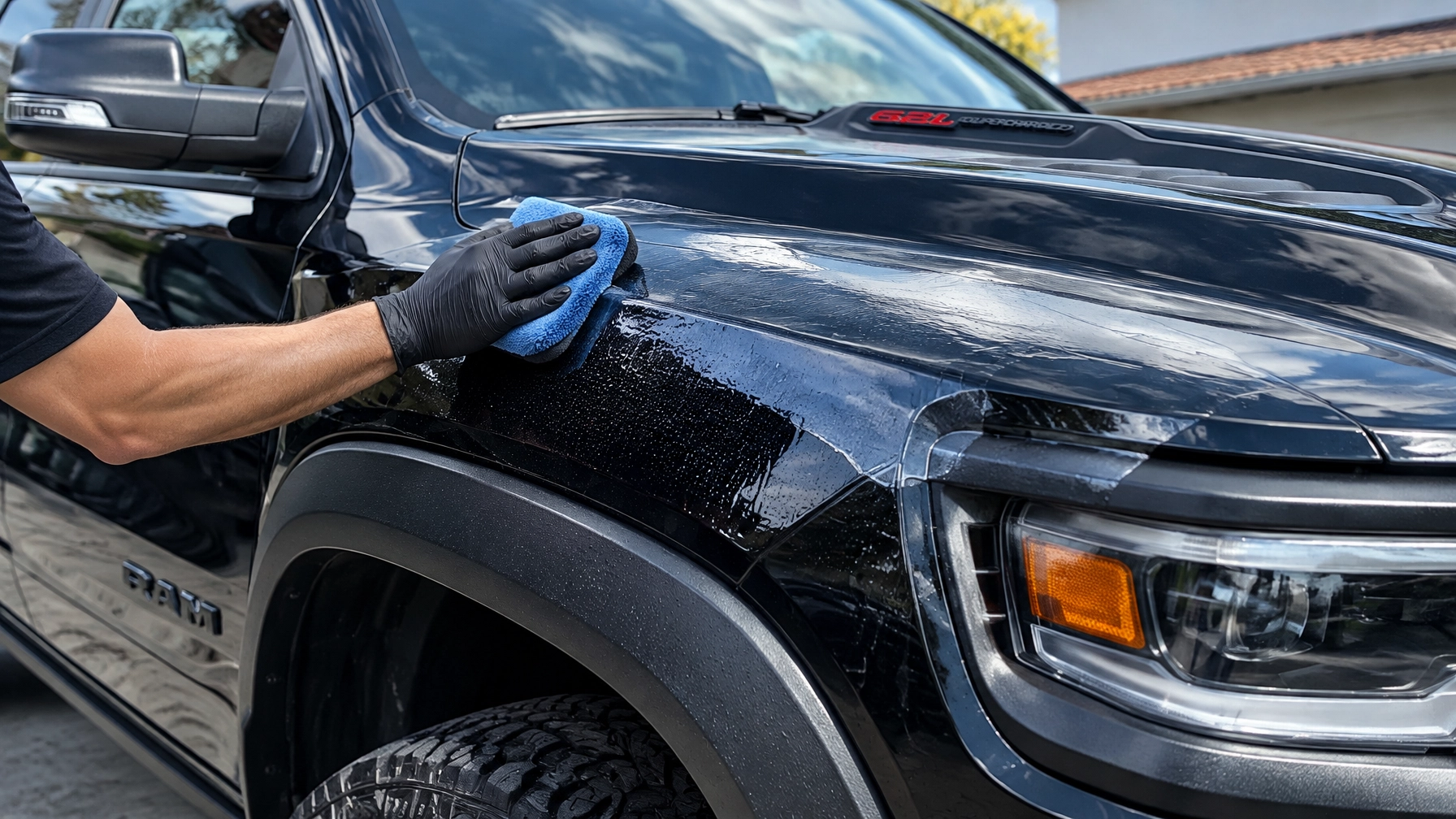
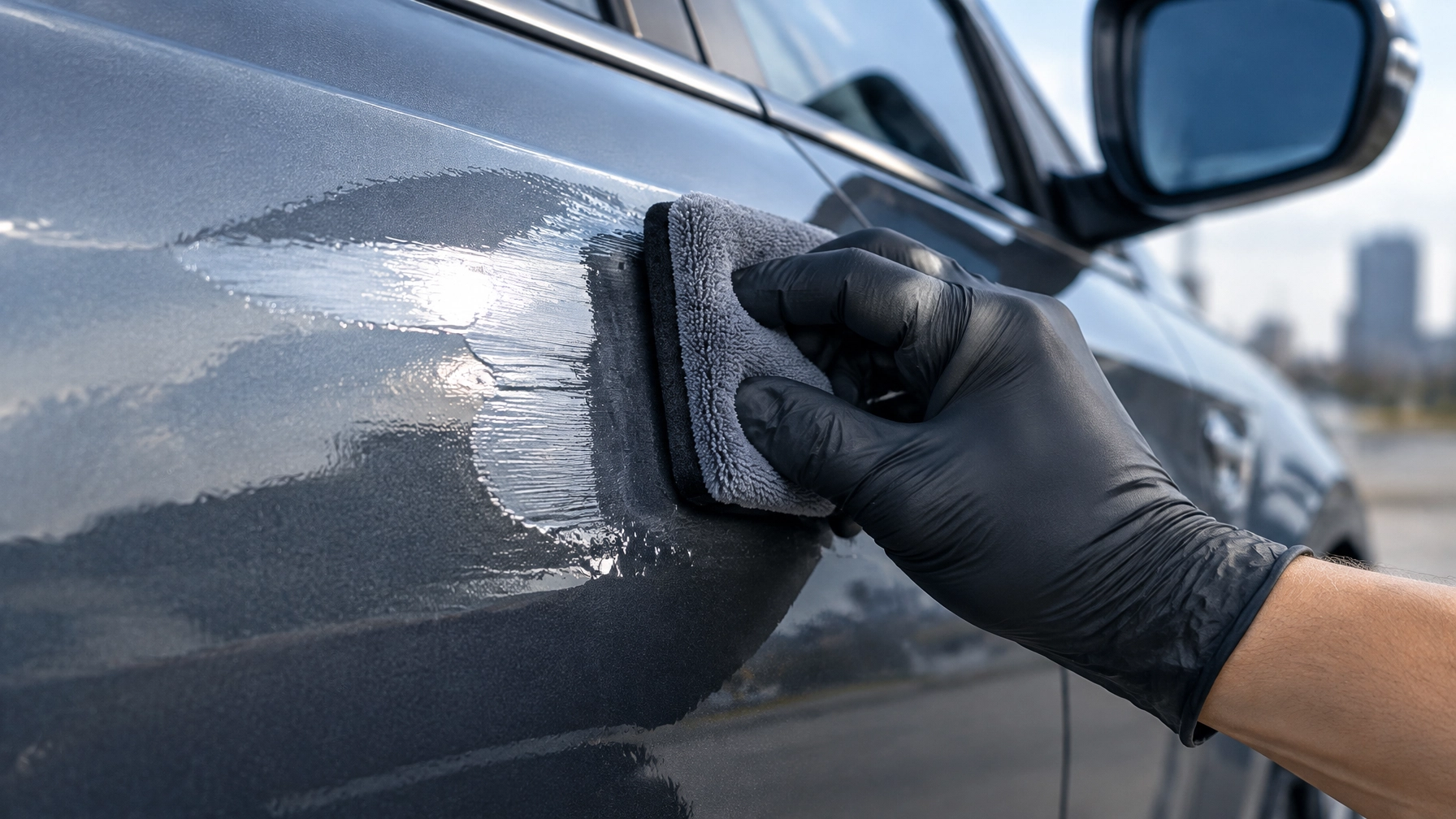
Houston drivers know spring pollen does not stay airborne for long. It settles across exterior paint, trim, and glass in a dense film that mixes with roadside grit, refinery fallout, and Gulf Coast humidity. Once that contamination sits through 95-degree afternoons and damp mornings, it bonds more aggressively to the clear coat and forces harsher washing to remove it. The right paint protection package prevents that cycle. At Ceramic Enthusiasts, the primary recommendation is hand-applied Liquid Paint Protection Film (LPPF) because its slick surface helps pollen and debris release far more easily, with automotive ceramic coating serving as the complementary layer for stronger hydrophobic performance and easier maintenance.
What makes Houston’s allergy season so harsh on exterior paint?
Houston's combination of airborne pollen, industrial fallout, and humidity creates a sticky film on exterior surfaces in Houston, Pearland, and Friendswood. When moisture levels stay elevated, pollen grains and fine grit cling to unprotected clear coat instead of rinsing away cleanly. Without proper protection, that contamination bakes onto the paint, especially on hoods, roofs, mirrors, and upper door panels that sit in direct sun.
Daily driving makes the problem worse. Vehicles moving through freeway corridors near Pasadena, Deer Park, and South Houston collect additional dust and abrasive particles from traffic, shipping routes, and construction zones. A basic wash removes loose residue, but bonded contamination often requires more pressure, more contact, and more frequent decontamination. That repeated friction wears on the finish over time. A properly chosen Liquid Paint Protection Film (LPPF) package creates a more release-friendly surface from the start.
How does pollen season damage unprotected clear coat in Houston?
Pollen season turns routine washing into a paint preservation issue. As yellow dust and airborne grit accumulate on unprotected paint, the surface tension created by humidity helps that contamination hang on longer. Once heat cycles hit the panel day after day, the residue becomes harder to remove safely and increases the risk of wash-induced marring.
That matters on daily drivers that sit outside in League City, Webster, or Clear Lake. Every wipe across a dry or heavily contaminated panel drags abrasive particles over the finish. The result is more swirls, more embedded grime, and more frequent correction work later. Hand-applied LPPF reduces that friction point because the surface is designed to release contaminants more easily, and if a rock impact leaves a blemish, the film can be re-leveled to restore a smooth finish.

Which paint protection package is best during Houston allergy season?
The best package starts with the amount of exposed paint you need to defend. For most Houston-area vehicles, hand-applied Liquid Paint Protection Film (LPPF) is the first decision because it delivers the primary barrier against bonded contamination, traffic wear, and repetitive washing. Its slicker surface helps pollen, bug residue, and airborne grit release faster and safer during maintenance washes.
Automotive ceramic coating works best as the complementary layer. It adds hydrophobic behavior that is noticeable from the first rainstorm, helping water sheet and carry loose contamination away more efficiently. That means less standing residue after spring storms and easier upkeep between details. For drivers in League City or Pasadena who want stronger long-term protection, combining LPPF with ceramic coating creates a smarter package than relying on washing alone.
How should you choose between partial front, full front, and ultimate vehicle protection?
Choose coverage based on where the vehicle lives and how it is driven. A partial front package makes sense for lighter-use vehicles that spend more time garaged and see shorter local trips around Friendswood or Alvin. It targets the most exposed leading edges, where pollen paste, bug residue, and road grit first accumulate.
A full front package is the stronger fit for commuters running I-45, Beltway 8, or the 610 Loop. Those vehicles take more direct impact from airborne debris, truck wash, and constant stop-and-go contamination. If the vehicle parks outdoors at home or work, full front coverage gives the hood, fenders, bumper, and mirror areas more complete defense where spring buildup becomes hardest to wash safely.
Ultimate vehicle protection is the right answer for high-value vehicles, black paint, and owners who want the easiest long-term maintenance. It protects more painted surface area from bonded contamination and repeated wash contact across dozens of weather cycles. In Houston heat and humidity, more coverage means less guesswork.

What exterior areas need the most protection during Houston pollen season?
The front of the vehicle takes the first hit. Bumpers, hoods, mirror caps, front fenders, and A-pillars collect the highest concentration of pollen, bug acids, and road grit during spring driving. Horizontal panels are especially vulnerable because contamination sits longer under direct UV exposure and repeated humidity swings.
Door edges, rocker panels, and lower quarters also deserve attention on vehicles driven through Pearland, Deer Park, and South Houston. These areas catch grime thrown upward from the roadway, and that debris gets ground into the wash process if protection is absent. If you want the easiest maintenance path, start with the highest-impact zones and build upward from there. Our FAQs page covers common questions about coverage and care.
Can ceramic coating replace LPPF during allergy season?
No. LPPF should come first when you are choosing exterior protection. Hand-applied LPPF is the primary recommendation because it creates the main sacrificial barrier against bonded pollen, airborne grit, and the wash friction needed to remove them. It also offers a major practical advantage over time: if a rock impact causes a blemish, the surface can be re-leveled instead of leaving the finish looking permanently compromised.
Ceramic coating still plays an important role. It pairs seamlessly with LPPF by increasing hydrophobic performance, reducing water spotting potential, and making maintenance faster and safer. Whether you drive daily through Houston traffic or keep a weekend vehicle in Friendswood, layering ceramic coating over the right protection package improves wash behavior without replacing the value of LPPF-first coverage.
How do Houston drivers know which package fits their parking and driving habits?
Start with exposure. If the vehicle stays outside under trees, near industrial corridors, or in open parking lots around Pasadena or South Houston, move up in coverage because pollen load and bonded contamination will be more aggressive. If the vehicle is garaged but driven heavily on freeways, prioritize front-end defense first, then expand as needed.
Also factor in color and maintenance expectations. Dark paint shows residue, water spotting, and wash marring faster, so broader protection often pays off sooner. Owners who want less scrubbing, fewer correction needs, and easier upkeep through Houston's spring storms usually benefit from stepping beyond minimal coverage. Whether you are in Pasadena, TX or South Houston, TX, the right package depends on how the vehicle is actually used.

Why choose Ceramic Enthusiasts for your exterior protection needs?
We are owner-operated, we bring over 10 years of experience, and we work one car at a time. That matters when you are choosing between partial front, full front, or ultimate vehicle protection, because coverage decisions should be based on real-world use, not a rushed package pitch. We understand how Houston heat, humidity, shipping corridor fallout, and spring pollen affect paint across Houston, Pearland, League City, Pasadena, Deer Park, South Houston, Galveston, Clear Lake, Webster, Friendswood, and Alvin.
Our process is built around meticulous attention and long-term results. We recommend hand-applied Liquid Paint Protection Film (LPPF) first, then pair it with automotive ceramic coating when the goal is easier maintenance and stronger hydrophobic performance. If you want exterior protection that stands up to Houston allergy season without constant aggressive washing, this is the smarter path.
Don't let spring pollen wear down your finish. Schedule a consultation to determine the right coverage for your vehicle. Call Ceramic Enthusiasts at 281-626-9384 today.
Contact Ceramic Enthusiasts today to schedule your exterior protection consultation. Call 281-626-9384 and get one-car-at-a-time attention built for Houston conditions.