South Houston drivers on I-45 and Beltway 8 face truck debris, construction grit, industrial fallout, intense UV exposure, and Houston humidity every day. Hand-applied Liquid Paint Protection Film gives your paint an impact-resistant first layer before ceramic coating adds chemical resistance, hydrophobic performance, and lasting gloss.
The combination matters most for vehicles traveling between South Houston, Houston, Pasadena, Deer Park, Pearland, and the Ship Channel corridor. Daily freeway exposure creates damage gradually, then makes it visible all at once.
What Makes South Houston Roads So Hard on Vehicle Paint?
South Houston’s road environment combines high-speed debris with industrial and weather-related contaminants.
I-45 carries constant commuter and commercial traffic near the Gulf Freeway, while Beltway 8 connects drivers to major freight routes, construction zones, and the Houston Ship Channel. Dump trucks, trailers, tankers, and construction vehicles can release sand, gravel, metal particles, and road dust directly into the path of following vehicles.
At highway speed, small particles become abrasive impacts. They strike the hood, front bumper, mirrors, headlights, A-pillars, and rocker panels first.
Construction grit creates a second problem. Fine asphalt and concrete dust settles into the paint surface, where it can scratch clear coat during an improper wash. Without a protective layer, repeated exposure gradually creates pitting, dullness, and swirl marks.
Industrial areas near Pasadena, Deer Park, and the Ship Channel add airborne petroleum residue, chemical particulates, and general fallout. These contaminants bond more aggressively when they sit on a hot panel under direct Texas sunlight.
A 95-degree afternoon increases the stress. UV exposure accelerates fading and oxidation, while high humidity keeps contaminants active on the surface longer. Thunderstorms then add mineral-rich rainwater that dries into spots.
Your paint faces several forms of damage before you reach the next exit.
How Does Hand-Applied Liquid PPF Protect Against Highway Debris?
Hand-applied Liquid Paint Protection Film creates a tough, flexible polymer layer over the painted surface.
LPPF uses a polyurethane and acrylic polymer blend that cures into a solid protective film. The cured layer absorbs and disperses light to moderate impacts from rocks, road grit, and construction debris before those forces reach the clear coat.
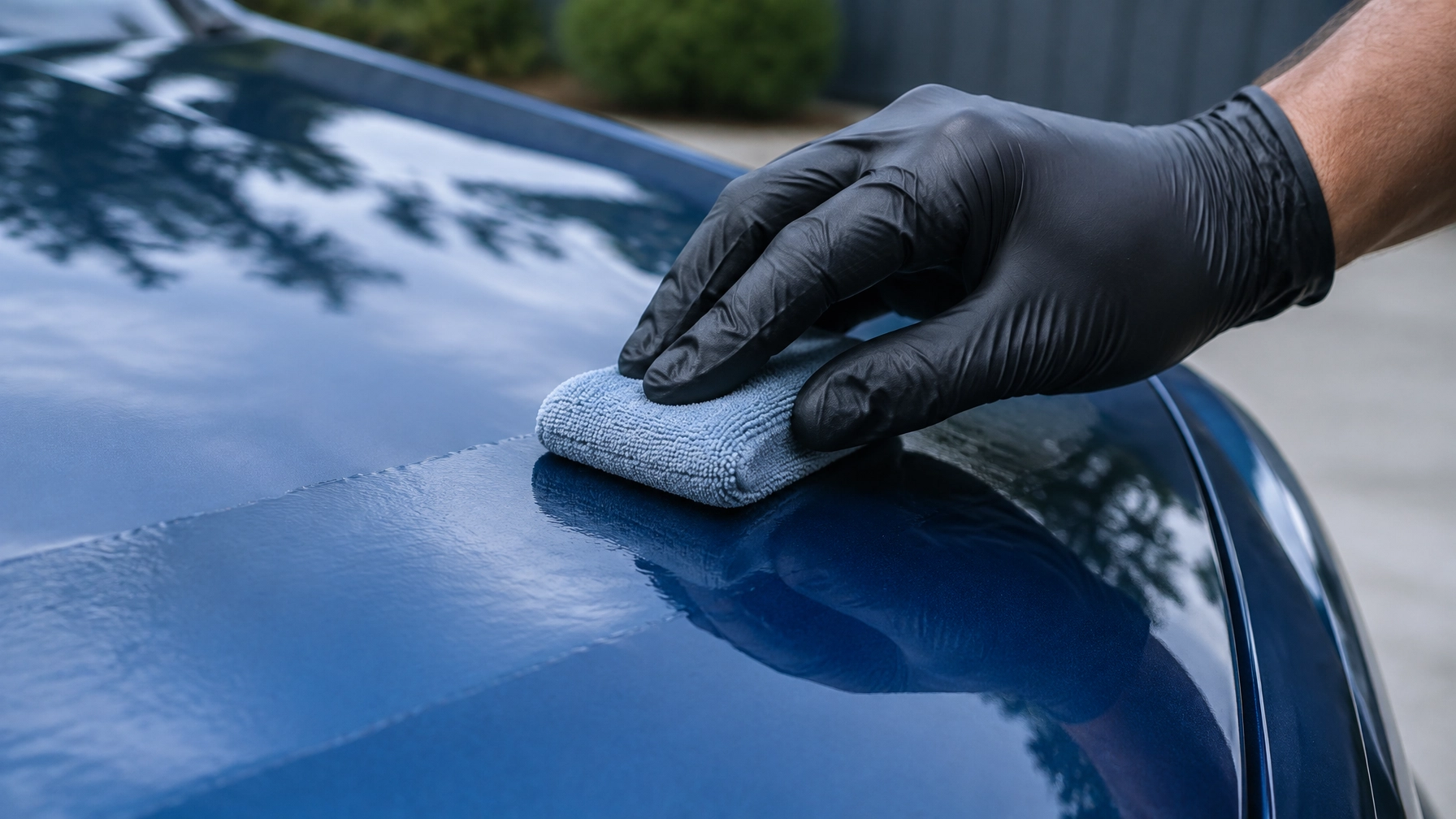
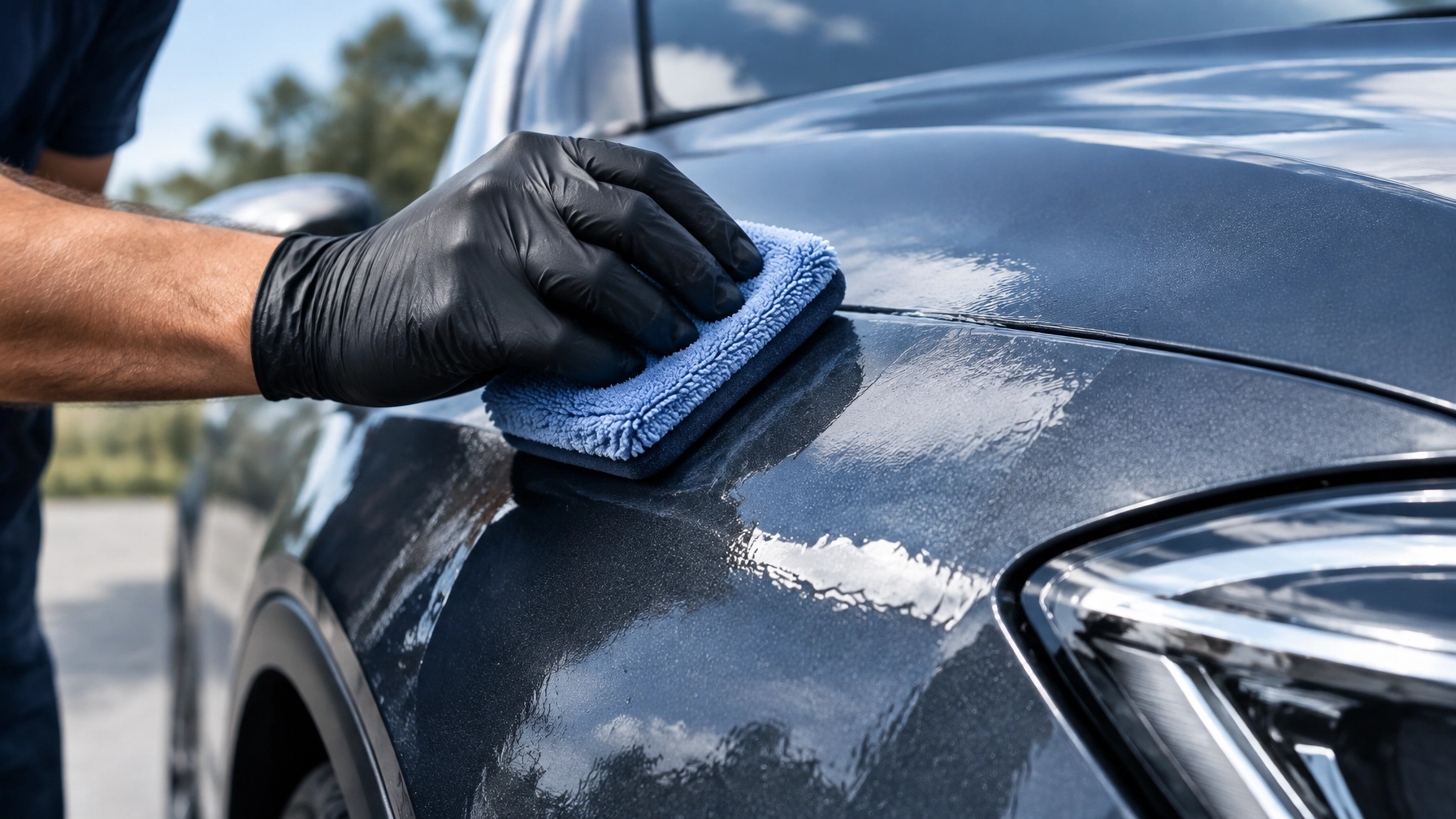
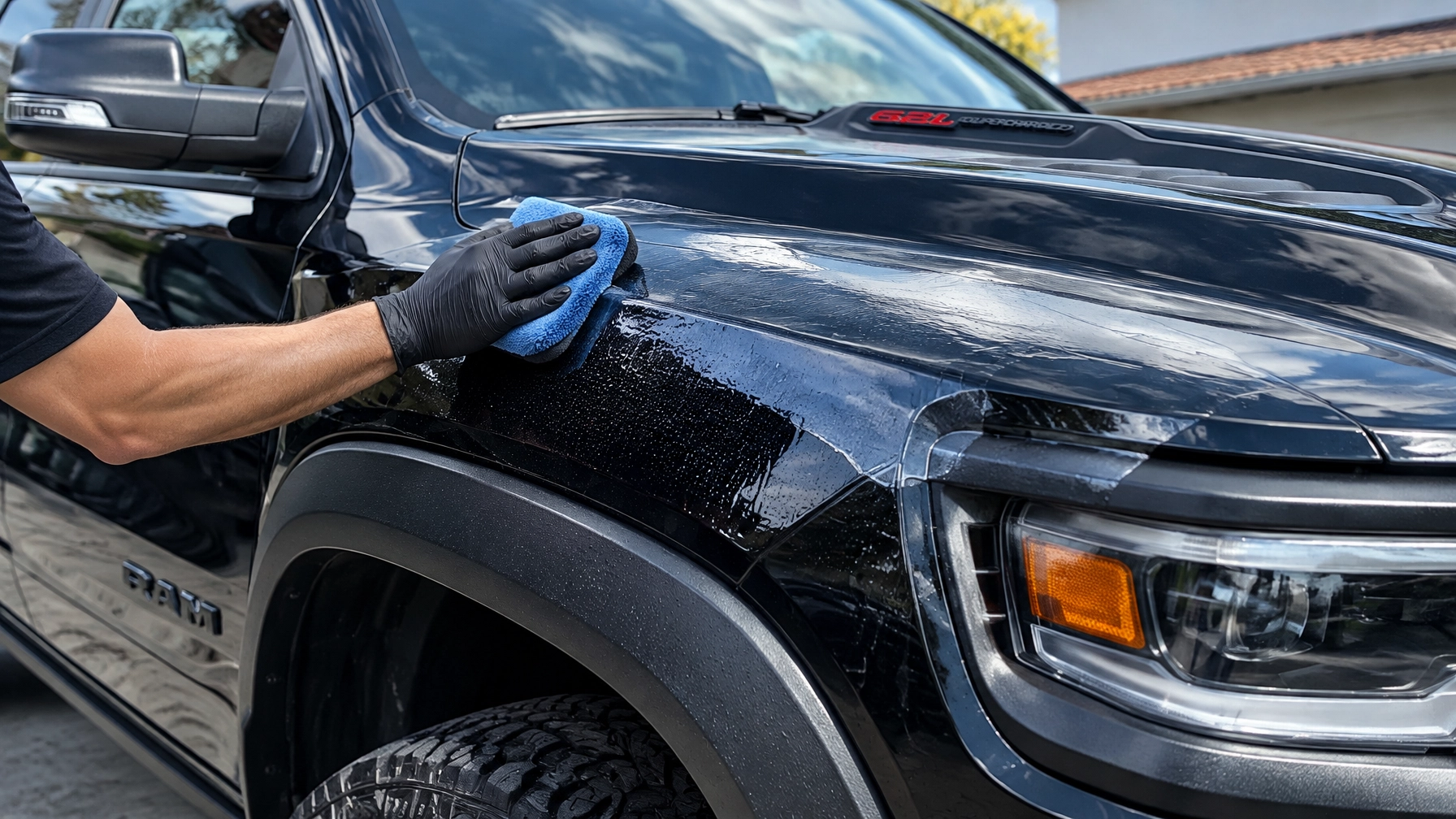
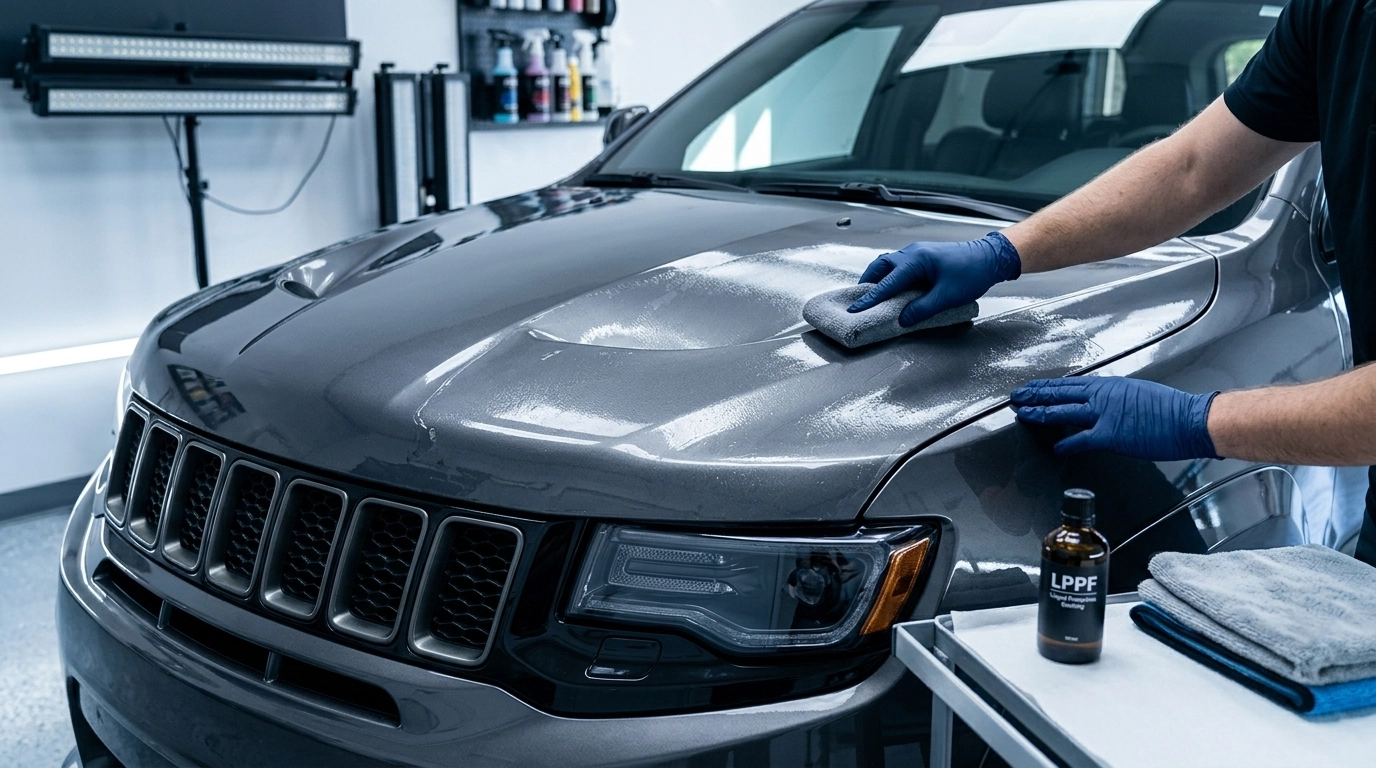
The process is performed by hand, one section at a time, using professional microfiber applicator pads. This allows the installer to control coverage, leveling, and surface uniformity around contours that receive the most abuse.

The result is a smooth, glossy barrier without traditional PPF seams, pre-cut sheets, or visible film edges. It also eliminates the alignment and trimming concerns associated with conventional sheet-based installations.
LPPF is not simply a cosmetic layer. It is the first protective defense for the impact zones that take the most punishment on I-45 and Beltway 8.
That protection becomes especially valuable for daily commuters who cannot avoid truck routes, construction corridors, or stop-and-go traffic.
Can LPPF Re-Level Rock Impacts Instead of Replacing a Panel?
Yes. One of the most practical advantages of Liquid Paint Protection Film is its ability to be re-leveled after a blemish.
A rock can still create a mark in the protective layer. The difference is that the damage remains in the LPPF instead of immediately chipping through the vehicle’s factory paint.
When the affected area is evaluated and re-leveled, the surface can be restored to a smooth, uniform finish without removing an entire panel of protection. This makes repairs faster and safer than replacing a full traditional film section.
Re-leveling does not mean every type of damage disappears. Severe impact, deep paint damage, or damage that reaches the original finish requires a professional inspection. However, the repairable nature of LPPF changes the long-term maintenance equation for South Houston drivers.
A front bumper exposed to years of truck traffic can receive repeated attention while maintaining a consistent appearance.
That is a major reason LPPF belongs beneath the rest of your protection system.
Learn more about hand-applied Liquid Paint Protection Film in Houston.
How Does Ceramic Coating Improve an LPPF Protection System?
Ceramic coating works best as the top layer after LPPF has addressed impact protection.
Once the LPPF has cured, a ceramic coating can bond to the prepared surface through chemical adhesion. Its ceramic-rich structure creates a slick, hydrophobic finish that increases water contact angle and reduces the surface energy that allows dirt and road film to cling.
In practical terms, water beads more tightly and releases more easily. Road grime, bug residue, petroleum film, and mineral deposits become faster to remove during routine washing.
Ceramic coating also helps defend the surface against:
- UV exposure and oxidation
- Bird droppings and bug acids
- Industrial fallout and chemical residue
- Water spotting
- Everyday grime from freeway driving
Ceramic coating does not replace impact protection. Its strength is chemical resistance, gloss, and easier maintenance. LPPF handles the first layer of defense against rocks and road debris, while ceramic coating improves the surface’s resistance to contaminants and environmental wear.
Together, they create a more complete barrier for vehicles driven through Houston, South Houston, Pearland, League City, Pasadena, Deer Park, and nearby communities.
Explore automotive ceramic coating for Houston’s climate.
What Preparation Does South Houston Paint Need Before LPPF and Ceramic Coating?
Proper preparation determines how well each protective layer bonds and performs.
The process begins with a detailed wash and chemical decontamination to remove road film, petroleum residue, brake dust, and other bonded contaminants. A clay treatment may be necessary when the surface feels rough after washing.
Paint correction follows when the finish contains swirl marks, light scratches, oxidation, or etching. Precision polishing restores clarity while preserving the clear coat. This step matters because protection should not seal avoidable defects beneath the new surface.

The final inspection confirms that the paint is clean, smooth, and ready for LPPF application. After the LPPF cures, ceramic coating can be applied in controlled conditions to maximize adhesion, gloss, and hydrophobic performance.
Skipping preparation creates predictable problems. Contaminants interfere with bonding, polishing defects remain visible, and the protective system cannot perform at its intended level.
See how professional paint correction prepares your vehicle for protection.
Which Vehicle Areas Need the Most Protection on I-45 and Beltway 8?
The front end receives the highest concentration of road debris.
A partial-front LPPF package commonly focuses on the partial hood, partial fenders, front bumper, headlights, side mirrors, A-pillars, and the leading roof edge above the windshield. These areas face direct impacts from rocks, sand, and construction grit.
A full-front package extends protection across the complete hood and fenders while maintaining coverage on the bumper, mirrors, and headlights.
Owners who drive daily through South Houston, Clear Lake, Webster, Friendswood, or Alvin may benefit from broader coverage. Full doors, rocker panels, rear quarter panels, door edges, and trunk ledges can collect road film and debris during frequent freeway travel.
Wheels also face a separate challenge. Stop-and-go traffic produces repeated brake heat, while brake dust bonds to hot wheel surfaces. A wheel ceramic coating adds a heat-resistant, hydrophobic layer that makes brake dust faster and safer to remove.
A glass ceramic coating can also improve windshield and exterior-glass maintenance by helping rain and road film release more readily.
The right package depends on your routes, parking conditions, vehicle age, and current paint condition.
How Does Owner-Operated Service Improve the Protection Process?
Owner-operated workmanship keeps the process focused and accountable.
With over 10 years of experience, Ceramic Enthusiasts evaluates the vehicle, performs the preparation, and applies protection with meticulous attention. Each vehicle receives one-car-at-a-time focus instead of rushed multi-vehicle handling.
That approach matters when working around hood contours, bumper edges, mirrors, and high-impact areas. Small inconsistencies in preparation or application can affect the appearance and durability of the finished surface.
In-shop paint protection is also available for customers who prefer professional service at home or another suitable location. Whether you commute from South Houston to Houston, drive through Pasadena and Deer Park, or travel between Pearland and League City, the service can be planned around your vehicle’s actual use.
The goal is not simply a shinier car. It is a protection system matched to Houston’s heat, humidity, traffic patterns, and industrial environment.
Can Liquid PPF and Ceramic Coating Make Maintenance Easier?
Yes. The combined system reduces how aggressively contaminants bond to the vehicle.
LPPF protects the vulnerable paint underneath, while ceramic coating creates a slick outer surface that releases water and road film more efficiently. Regular washing becomes faster because dirt has less opportunity to anchor to the finish.
Use a pH-neutral automotive shampoo, clean microfiber towels, and safe washing techniques. Avoid automatic brushes that can transfer grit and create swirl marks. After construction-zone travel, rinse away loose dust before touching the paint.
A protected vehicle still requires maintenance. Protection reduces the consequences of daily driving; it does not eliminate the need for proper washing.
You will notice the hydrophobic behavior during the first rainstorm. You will notice the maintenance advantage over months of commuter traffic. The deeper value appears years later, when the original paint remains clearer, smoother, and better preserved.
How Can South Houston Drivers Determine the Right Protection Package?
Start with the damage your vehicle experiences most often.
If your primary concern is I-45 and Beltway 8 rock debris, hand-applied LPPF should be the first layer. If chemical fallout, UV exposure, and difficult washing are the larger concerns, add ceramic coating over the LPPF.
Vehicles with existing swirls, oxidation, or industrial fallout should receive decontamination and paint correction before protection. Daily drivers may benefit from front-end or full-vehicle coverage, while occasional-use vehicles may need a more targeted plan.
Ceramic Enthusiasts serves South Houston and surrounding areas, including Houston, Pearland, League City, Pasadena, Deer Park, Galveston, Clear Lake, Webster, Friendswood, and Alvin.
Call 281-626-9384 to schedule a consultation and determine whether LPPF, ceramic coating, paint correction, or a combined protection package fits your vehicle’s routes and condition.
Protect the paint before the next truck sends road debris across your hood.