Houston drivers need paint protection that handles highway debris, intense UV exposure, humidity, and sudden Gulf Coast storms without compromising the vehicle’s appearance. Liquid Paint Protection Film (LPPF) delivers hand-applied, seamless protection with a repairable surface, while traditional PPF remains a proven option for thick, targeted impact protection.
The right choice depends on how you drive, where you park, how long you plan to keep the vehicle, and whether you value invisible coverage over maximum film thickness.
What Is the Difference Between Liquid PPF and Traditional PPF?
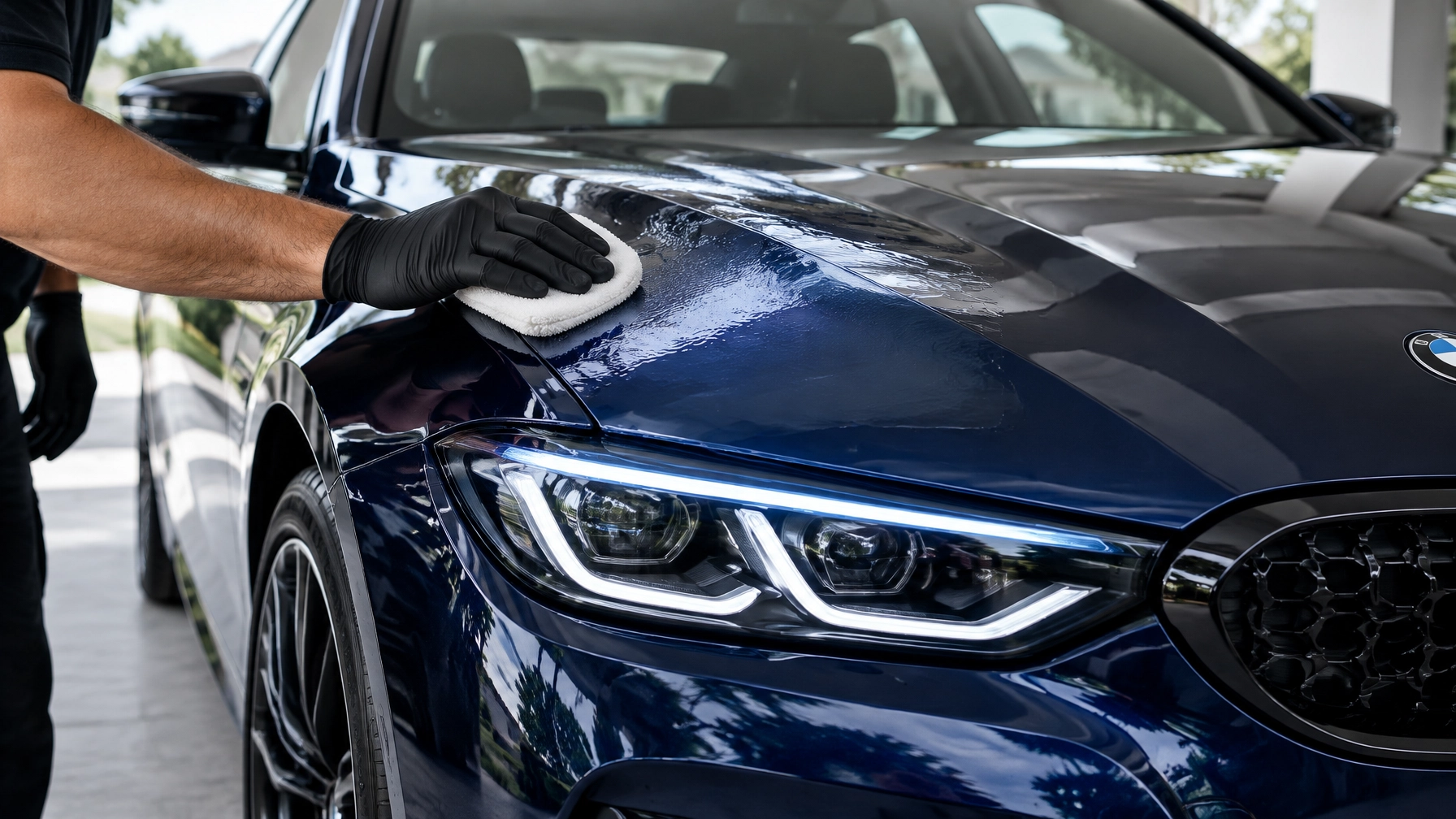
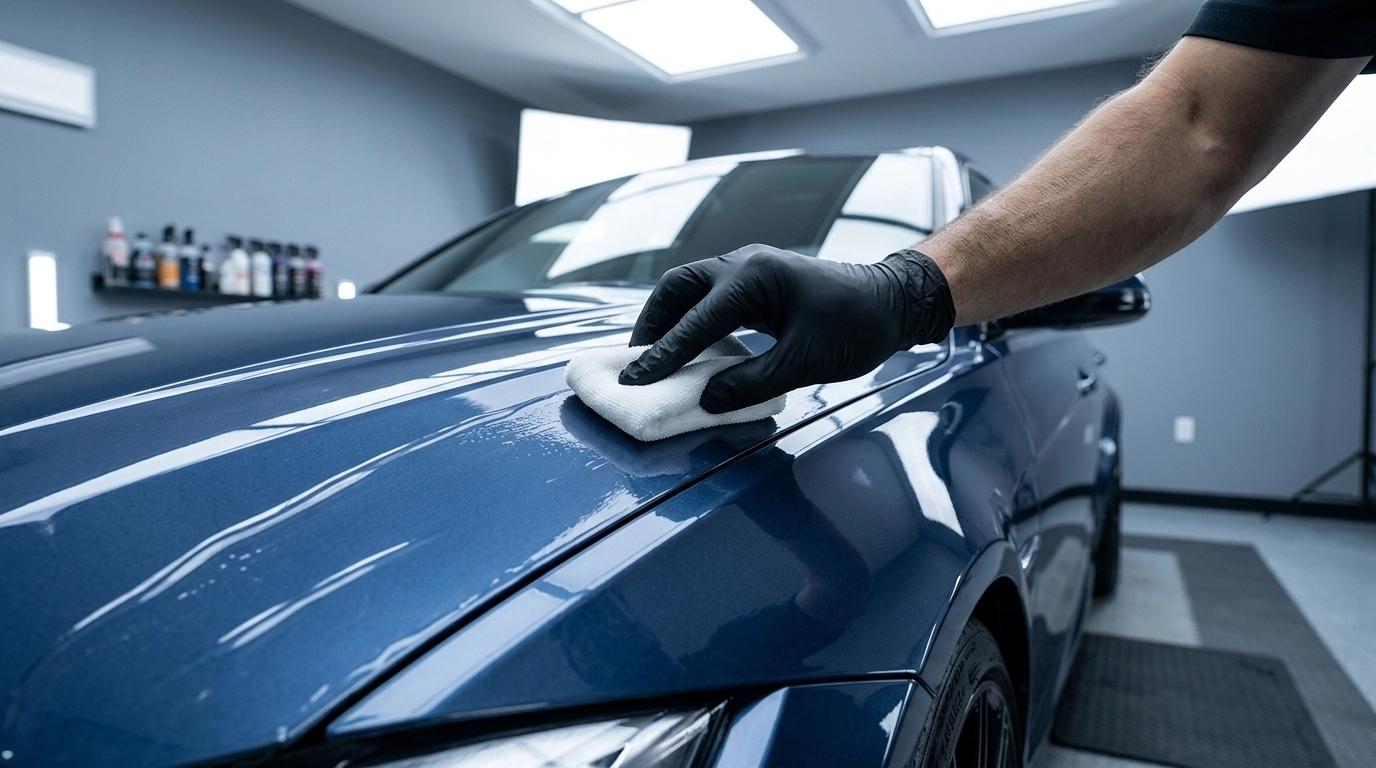
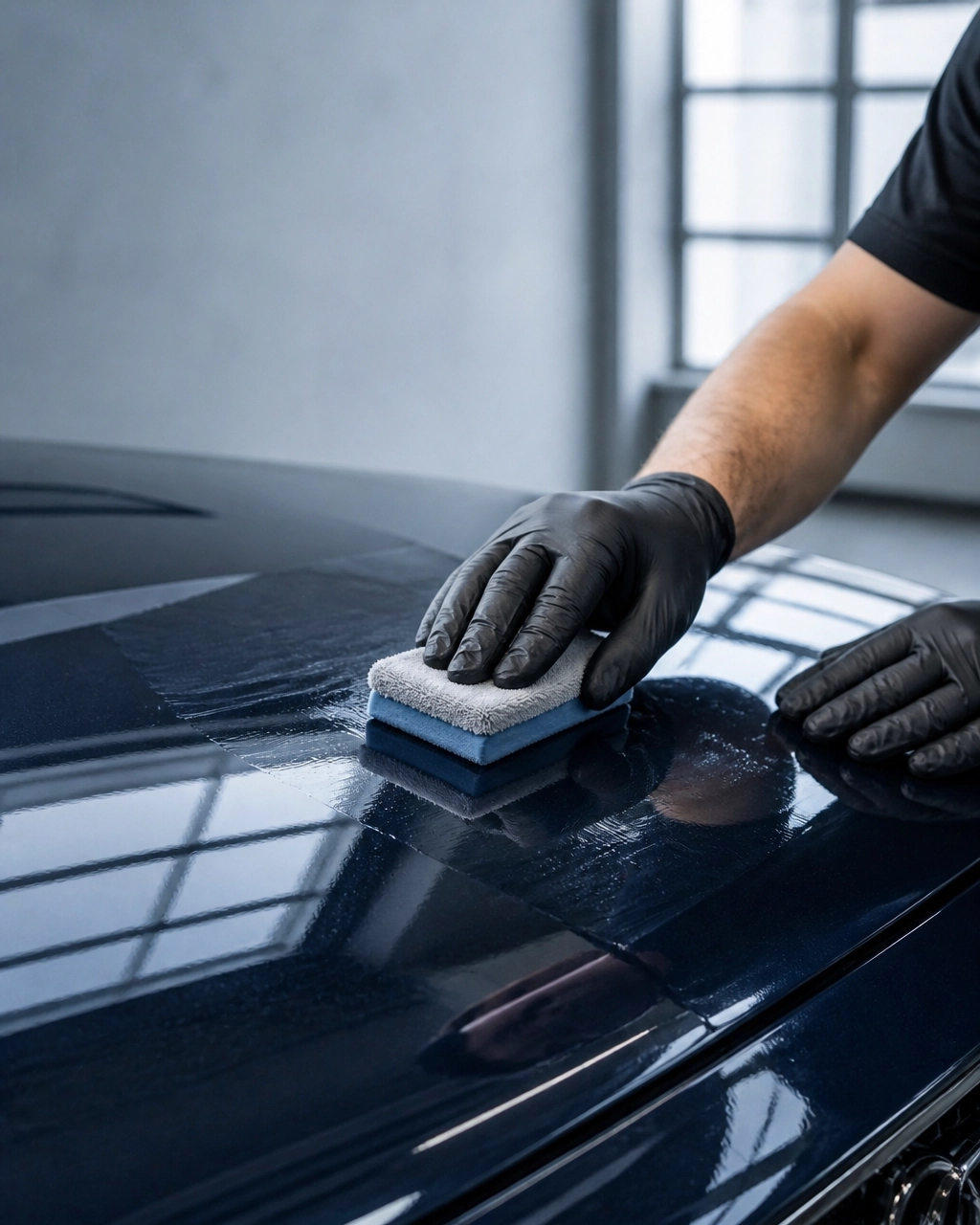
Liquid PPF is a flexible polyurethane and acrylic polymer system that is applied by hand and cured into a solid protective film over the paint.
Traditional PPF is a pre-manufactured thermoplastic urethane film installed as individual sections over selected panels. It creates a thicker physical barrier, particularly useful on high-impact areas such as bumpers, hoods, and mirrors.
The application method creates the biggest visual difference. Traditional PPF requires panel-shaped sections to be positioned, stretched, and fitted to the vehicle. Those sections can create edges, seams, or visible transitions. LPPF forms a continuous protective layer across the treated surface.
That seamless finish matters on modern vehicles with complex curves, sharp body lines, recessed trim, and large painted surfaces.
Traditional PPF remains a legitimate choice for drivers who want the thickest possible barrier on specific areas. LPPF is the stronger recommendation for Houston owners who want broad, smooth, repairable protection without visible panel lines.
How Does LPPF Perform in Houston Heat and Humidity?
LPPF is designed to remain flexible and stable through Houston’s intense heat, UV exposure, humidity, and frequent rain cycles.
During summer, Houston temperatures regularly reach 95 degrees or higher. Direct sun can raise painted panel temperatures far beyond the surrounding air. Humidity frequently exceeds 70 percent, while road traffic adds grit, brake dust, industrial fallout, and chemical contaminants to the vehicle’s surface.
Unprotected paint absorbs this daily stress. UV exposure accelerates fading and oxidation. Bird droppings and bug acids can etch the clear coat. Road grit creates small scratches and impact blemishes. Humid conditions also allow contaminants to remain active on the surface longer.
LPPF cures into a flexible, bonded polymer layer that helps isolate the clear coat from these environmental stresses. It does not eliminate the need for proper washing, but it gives the paint a sacrificial layer designed for real Houston driving.
Because LPPF has no traditional film edges within the treated area, there are fewer visible boundaries where moisture, dirt, and contamination can collect. The result is a cleaner appearance through dozens of weather cycles.
Can Liquid PPF Be Re-Leveled After a Rock Impact?
Yes. A localized blemish in LPPF can often be repaired through re-leveling instead of replacing an entire panel section.
Rock impacts on Houston roads are unavoidable. Construction debris on Beltway 8, gravel trucks along I-10, and heavy traffic on 610 can leave marks across a vehicle’s hood or bumper. Without protection, the impact reaches the factory paint. With traditional PPF, a damaged section commonly requires removal and replacement.
LPPF offers a different repair path. When a rock creates a localized chip or blemish in the cured layer, the affected area can be evaluated and re-leveled. Additional LPPF material is carefully blended into the damaged area to restore a smooth surface and maintain the protective layer.
Ceramic Enthusiasts provides re-leveling support for qualifying LPPF damage. That means a single impact does not automatically turn into a full panel replacement.
This repairability is one of LPPF’s most practical advantages for daily commuters in Pearland, Pasadena, Friendswood, and South Houston.
Which System Provides Better Rock-Chip Protection?
Traditional PPF provides the greatest film thickness and remains highly effective against severe, high-speed impacts.
Traditional film commonly measures several mils thick, creating a substantial physical cushion between road debris and the paint. It is well suited to vehicles that spend significant time behind trucks, travel construction-heavy corridors, or regularly drive at highway speeds.
LPPF is thinner than traditional PPF but significantly stronger than ceramic coating alone. It helps reduce damage from light to moderate rock impacts, road grit, scratches, and everyday wear while covering complex surfaces without seams.
The practical recommendation is straightforward:
- Choose LPPF when you want seamless coverage, repairability, a glossy finish, and strong daily-driving protection.
- Choose traditional PPF when maximum thickness on a limited high-impact area is your primary concern.
- Consider a combined strategy when your commute includes frequent high-speed highway driving and you also want full-vehicle protection.
For many Houston vehicles, LPPF on the complete exterior provides a balanced solution. Traditional film can still be considered for an especially vulnerable front bumper or lower hood.
How Does the Hand-Applied Process Improve Coverage?
The hand-applied LPPF process allows the technician to work with the vehicle’s actual contours instead of relying on a one-size-fits-all panel template.
Every vehicle has different paint condition, body lines, trim gaps, sensors, curves, and recessed areas. A rushed installation can leave exposed edges or inconsistent coverage. LPPF is carefully worked across the panel and around these design features to create a continuous protective layer.
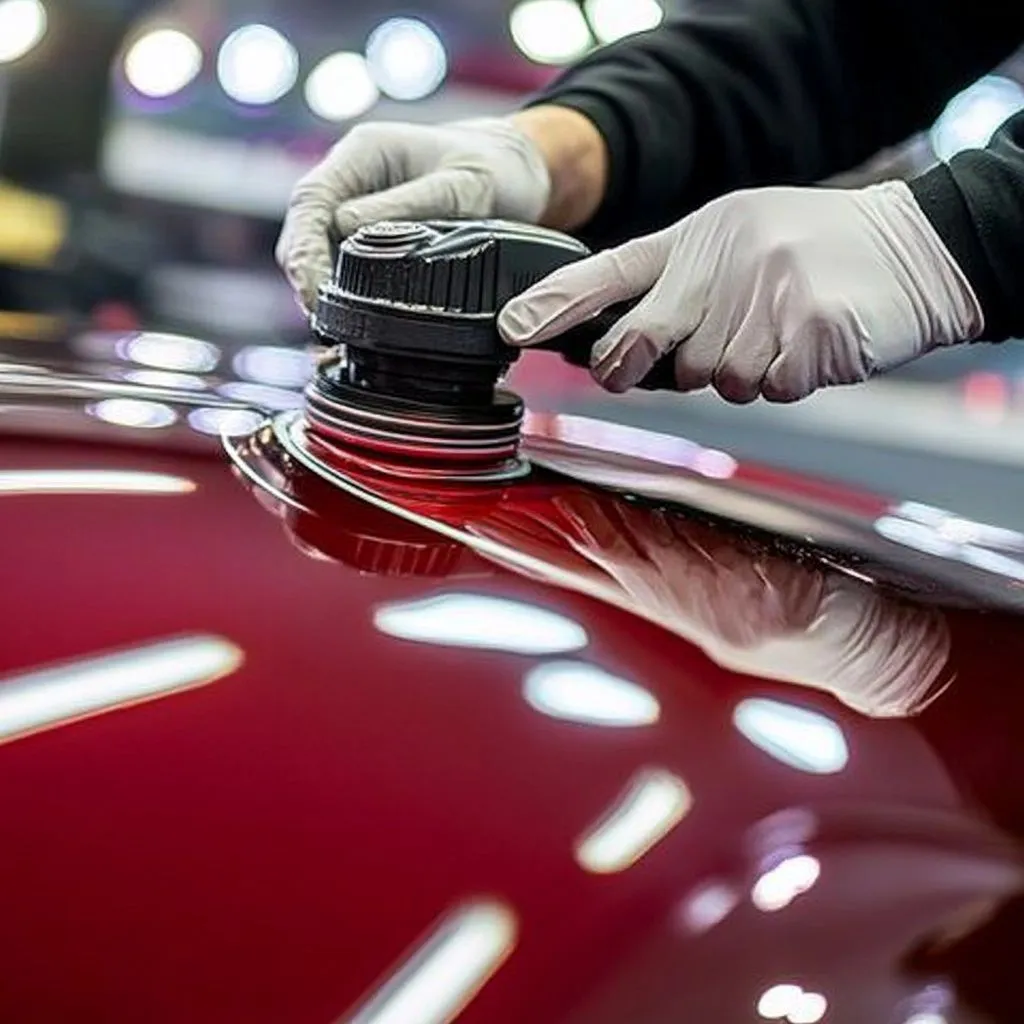
The process begins with a complete surface evaluation. Contamination is removed through chemical and mechanical decontamination, including clay treatment when necessary. Any swirl marks, oxidation, or light scratches are addressed through polishing before protection is applied.
That preparation is essential. LPPF bonds best to clean, properly prepared paint. Applying protection over embedded grit or defects locks those problems beneath the film.
For vehicles that need correction first, paint correction restores clarity and creates a smoother foundation. The finished result is a mirror-like surface with protection that becomes noticeable from the first rainstorm.
What Are the Main Advantages of Traditional PPF?
Traditional PPF remains valuable because its thicker structure provides strong physical impact resistance on selected panels.
It is a good fit for Houston drivers who:
- Drive daily on I-10, Highway 59, Beltway 8, or 610.
- Frequently travel behind commercial trucks.
- Want focused protection for the front bumper, hood, fenders, or mirrors.
- Plan to keep the vehicle for many years.
- Accept visible edges or seams in exchange for increased film thickness.
Traditional PPF can protect vulnerable areas effectively when installed by an experienced technician. However, the film’s final appearance depends on template fit, installation precision, edge finishing, and long-term maintenance.
If the film is damaged, the affected section generally needs to be removed and replaced. That can mean additional labor and downtime compared with re-leveling a localized LPPF blemish.
Traditional PPF is not the wrong product. It is simply a different protection strategy.
How Can LPPF and Ceramic Coating Work Together?
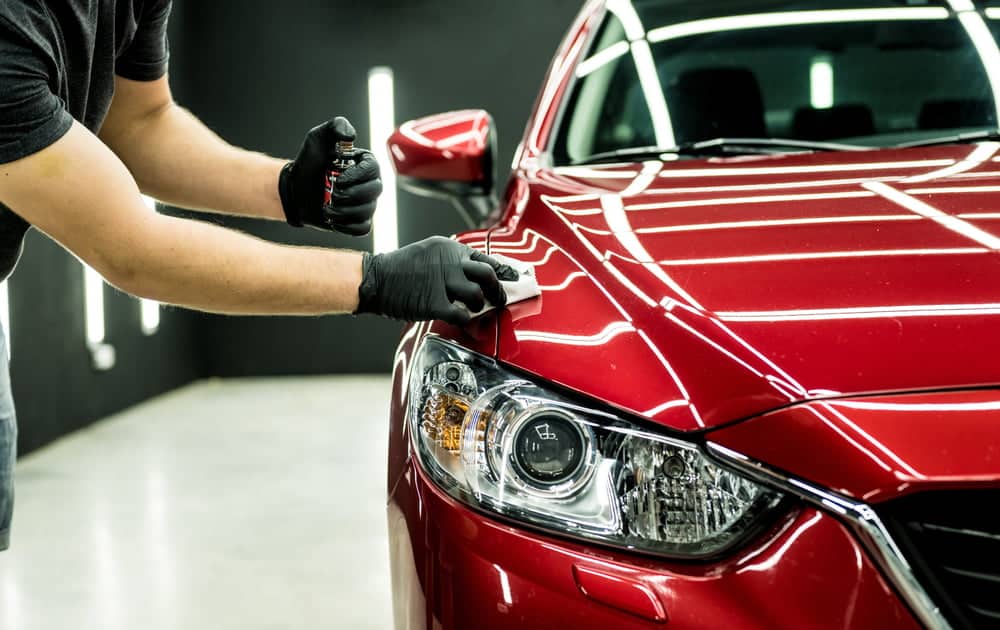
LPPF protects against physical wear, while ceramic coating adds hydrophobic and chemical-resistance benefits to the surface.
A premium automotive ceramic coating creates a chemically bonded layer with high surface tension. Water, mud, road film, bird droppings, and other contaminants bead more readily and release more easily during washing.
Ceramic coating does not replace impact protection. It is not designed to stop rock chips. LPPF should lead the protection plan when road debris is the main concern.
After LPPF is installed, a ceramic topcoat can enhance gloss, simplify maintenance, and add another layer of resistance against UV exposure, chemical contamination, and Houston humidity. Explore automotive ceramic coating to see how the services pair seamlessly.
Smart add-ons can complete the protection plan. Glass ceramic coating helps water bead from windshields and windows during heavy storms. Wheel ceramic coating helps brake dust and road grime release more easily from hot wheels.
Together, these services make routine maintenance faster and safer without relying on harsh scrubbing.
Which Paint Protection Is Right for Your Houston Vehicle?
LPPF is the best starting point for most Houston owners who want seamless, hand-applied coverage and a repairable protective surface.
It is especially well suited to:
- Daily drivers exposed to heat, humidity, and freeway debris.
- Luxury or performance vehicles where visible seams distract from the design.
- Owners who want full-exterior protection without traditional film on every panel.
- Drivers who value mobile convenience and reduced shop downtime.
- Vehicles that need protection for years, not months.
Traditional PPF remains a strong choice when your priority is maximum impact resistance on specific front-end panels. A hybrid approach can also make sense for drivers with demanding highway commutes.
Ceramic Enthusiasts is owner-operated with over 10 years of hands-on experience. Each vehicle receives meticulous, one-car-at-a-time attention rather than rushed, high-volume service. Mobile convenience is available for drivers throughout Houston and surrounding communities, including League City, Deer Park, Galveston, Clear Lake, Webster, and Alvin.
The best protection plan starts with an evaluation of your paint, commute, parking conditions, and ownership goals. Learn more about Liquid Paint Protection Film or review our owner-operated approach.
Call 281-626-9384 to schedule a consultation and determine whether LPPF, traditional PPF, or a combined protection plan fits your Houston vehicle.