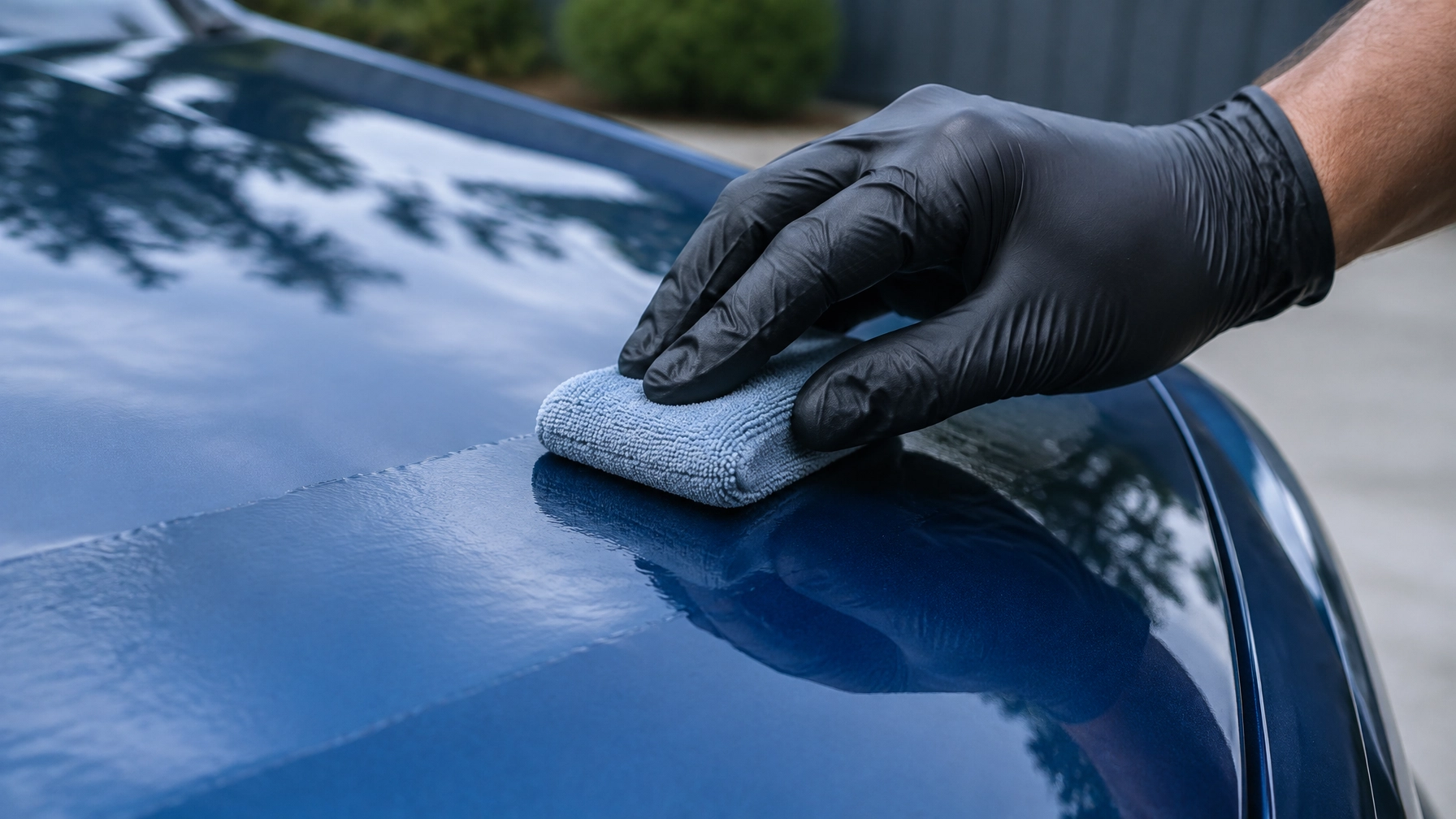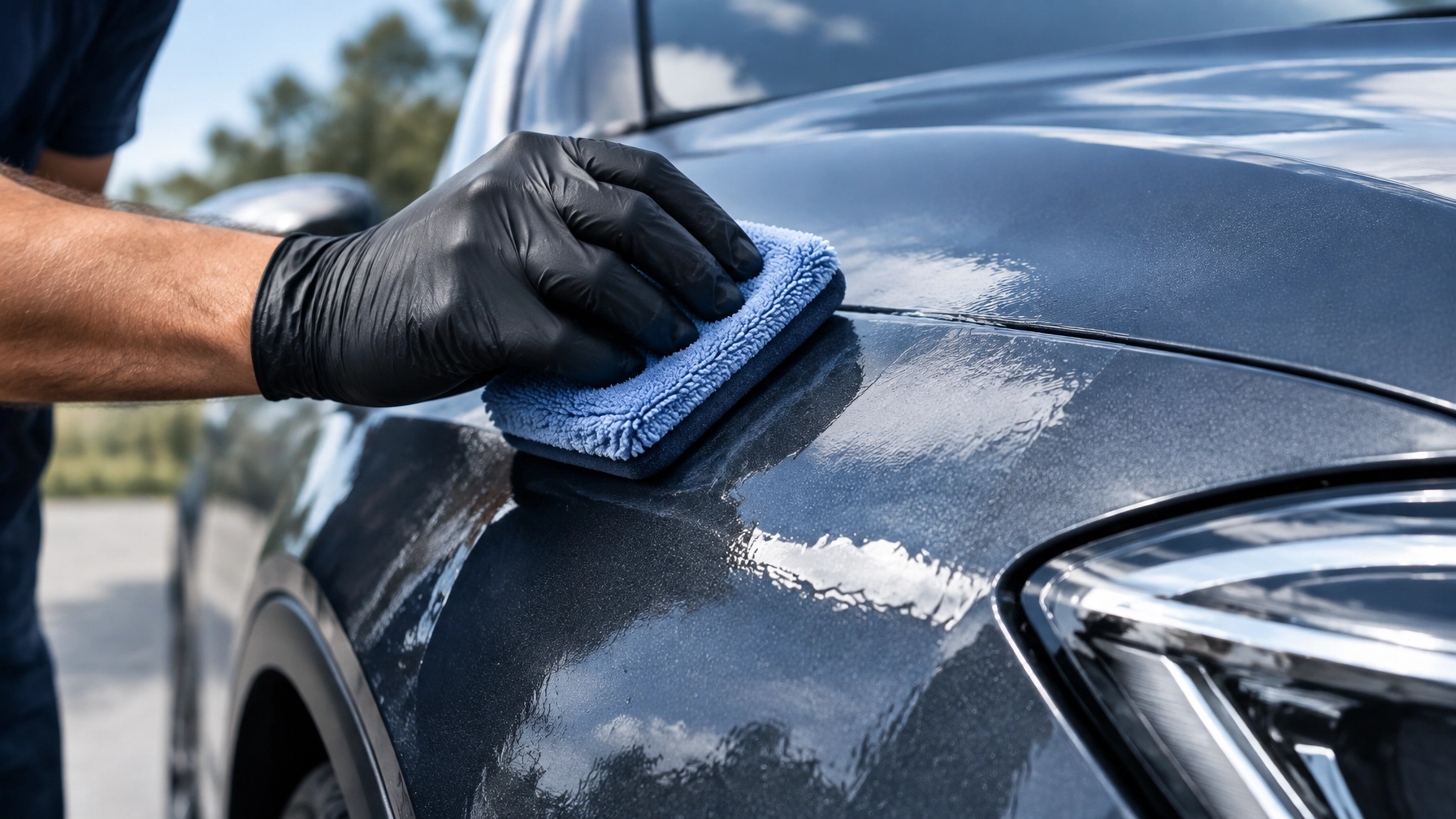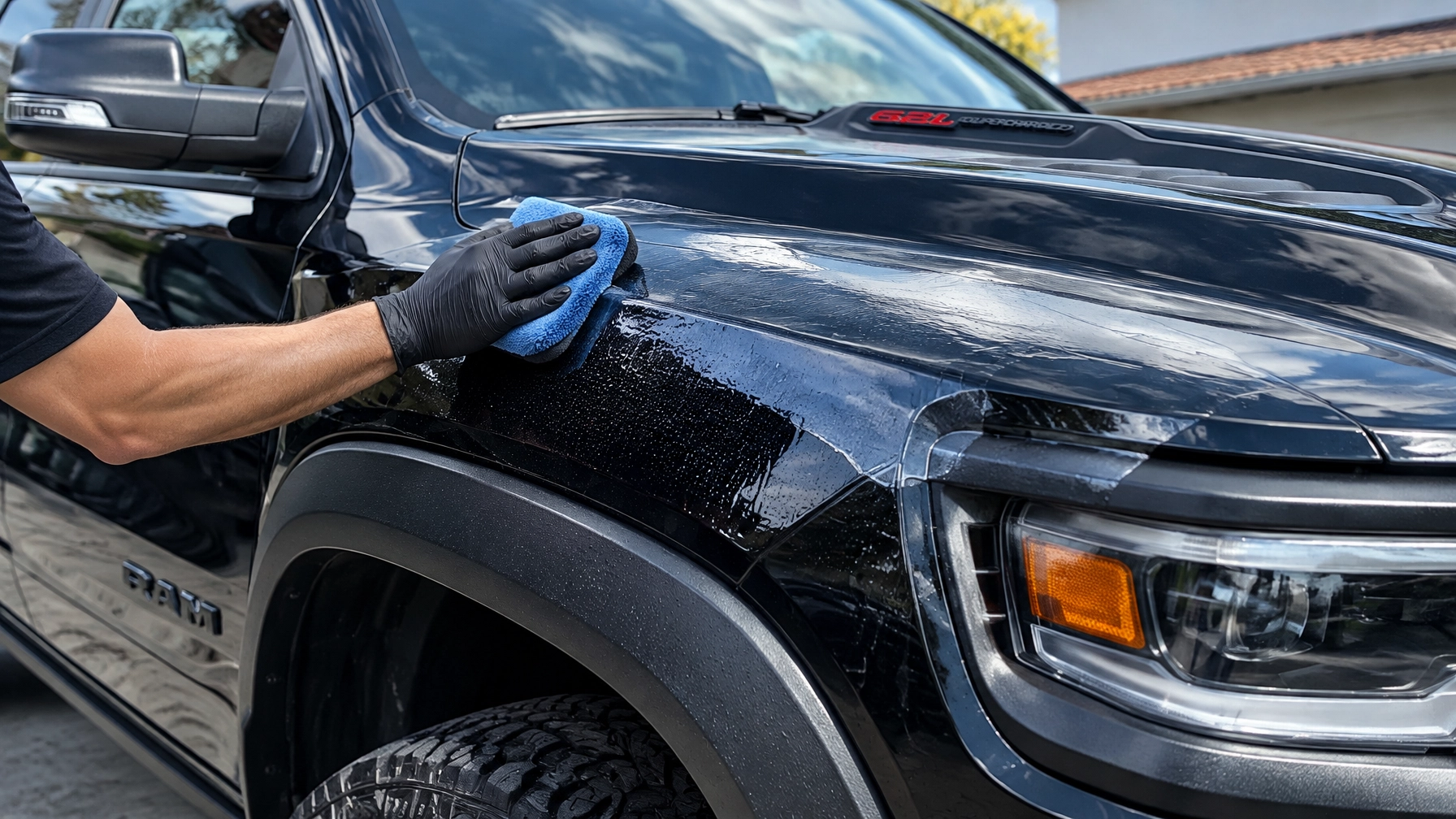
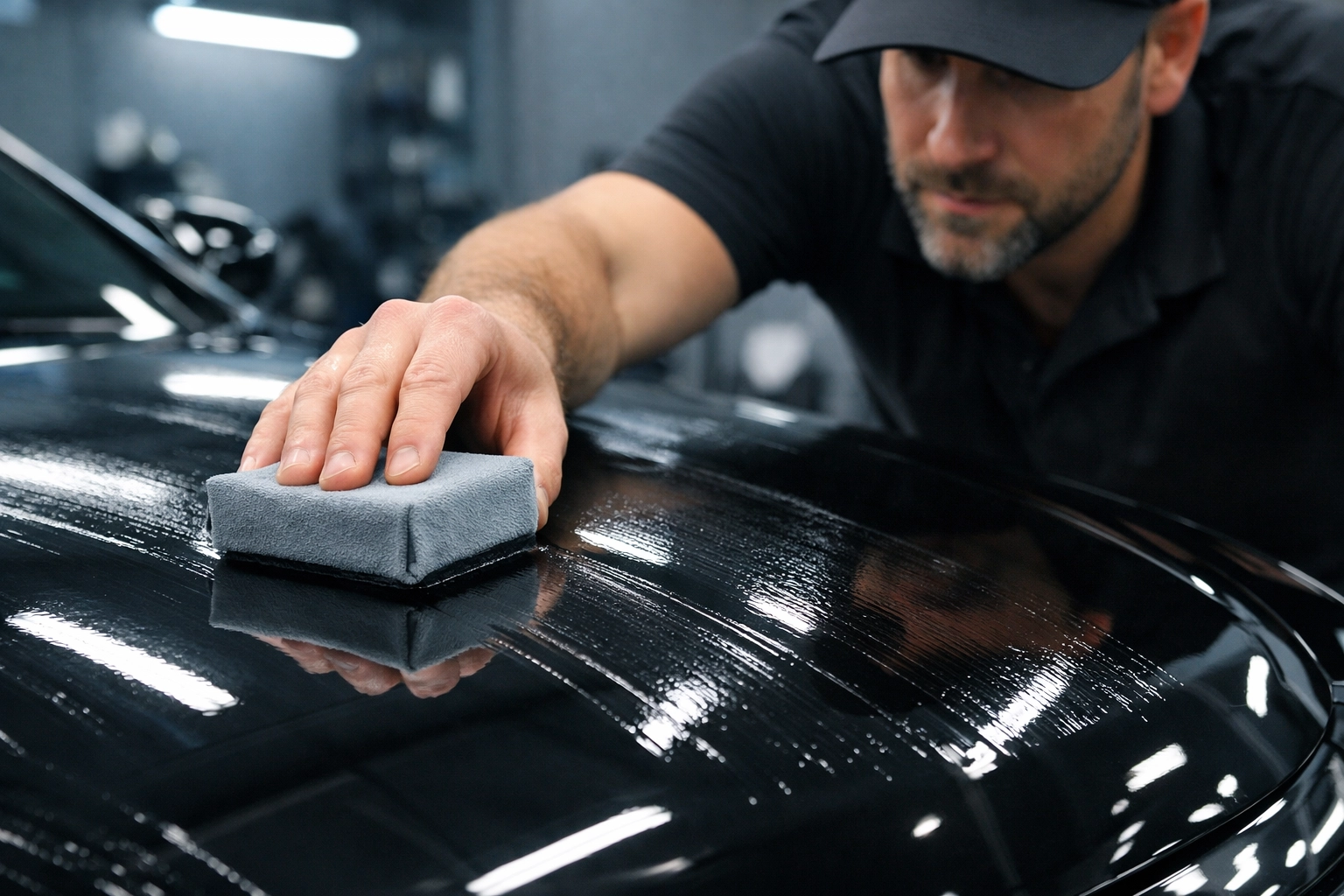
Liquid Paint Protection Film (LPPF) applied by hand delivers a protective barrier that is easily repaired with re-leveling when damage goes beyond light surface wear: but understanding what it can and can't fix saves Houston drivers from unrealistic expectations. The film handles light scratches and swirl marks through heat-activated recovery, and when a rock impact leaves a blemish, that area can be re-leveled to restore a smooth finish. Here's exactly what easily repaired with re-leveling means for your vehicle in Houston's demanding conditions.
How Does Easily Repaired LPPF Actually Work?
LPPF operates through a three-layer system hand-applied directly to your vehicle's paint, and one of its key advantages is that damaged areas can be easily repaired with re-leveling when needed. The top layer contains flexible elastomeric polymers that soften when exposed to heat: whether from Houston's 95-degree summer sun, warm water during washing, or deliberate heat application with a heat gun. When this polymer layer warms, its molecular chains rearrange and flow back into their original smooth configuration, reducing or erasing surface-level damage.
The middle polyurethane layer absorbs impact energy from road debris, preventing damage from reaching your paint underneath. The bottom adhesive layer bonds the entire system to your vehicle's clear coat, creating a semi-permanent protective barrier. This hand-applied process allows installers to work the film around curves, edges, and complex body lines: ensuring complete coverage without gaps that leave paint exposed.
For minor damage, the surface can recover with heat exposure. Park your vehicle in the sun after a light scratch appears, and within 30 minutes to a few hours, the surface can return to a smoother state. When a rock impact leaves a blemish that does not recover on its own, that blemish can be re-leveled to restore a smooth finish without replacing protection across the entire vehicle.

What Can Easily Repaired LPPF Recover From in Houston?
LPPF handles light scratches and fine abrasions that accumulate during daily driving in Houston, Pearland, and surrounding areas, and it remains easily repaired with re-leveling when damage is more pronounced. Automated car wash brushes create fine surface scratches that show up under direct light: the film's top layer can flow back together after these encounters, maintaining a flawless appearance. Swirl marks from improper hand washing can fade within hours when exposed to heat.
Minor surface scuffs from shopping cart contact, light branch scrapes in parking areas, or contact with clothing and bags often diminish through the film's heat-responsive top layer. The film handles the constant barrage of fine debris kicked up on freeway corridors between Houston and League City, where construction zones and heavy traffic generate persistent fine particulate that would otherwise mar your paint.
Fingerprints and light contamination that settle on the surface during humid conditions wash away more easily than on unprotected paint, thanks to the hydrophobic properties built into the top layer. The film maintains its clarity and gloss throughout dozens of weather cycles, and when a rock impact leaves a blemish that remains visible, that area can be re-leveled to restore a smooth finish: typically within a service life of 5-7 years when properly maintained.
The quick recovery from light damage means your vehicle maintains showroom appearance between professional detailing appointments. No need to schedule paint correction every few months to address accumulated swirls and fine scratches: the film helps manage these imperfections automatically.
What Damage is Beyond Easily Repaired Capabilities?
Deep rock chips that penetrate through the top layer and into the polyurethane base exceed the film's automatic recovery capabilities. Houston's highway corridors: particularly stretches near shipping districts and industrial areas: generate significant rock debris that impacts vehicles at high velocity. When a rock chip penetrates multiple layers of protection, the damage creates a permanent divot or blemish that requires professional attention rather than simple heat recovery.
Cuts or tears in the film from sharp objects won't recover because the damage severs the material beyond what heat can address. Significant gouges that expose the adhesive layer or underlying paint need re-leveling or replacement of the affected section. Bird droppings and industrial fallout left on the surface for extended periods can etch through the protective layers before you remove them, creating permanent marks.
The polyurethane middle layer absorbs impact energy effectively, preventing most road debris from damaging your paint. However, severe impacts that would dent or chip unprotected paint may compromise the film's integrity, requiring professional assessment. The film provides excellent impact protection, but it's not armor plating: understanding this distinction helps set appropriate expectations.
Chemical damage from harsh cleaners or solvents not designed for LPPF can degrade the film's recovery characteristics or cloud the film's clarity. Automatic car washes using recycled water containing hard minerals may leave deposits that accumulate faster on the film than on bare paint, though proper maintenance prevents this issue.

Can LPPF Be Repaired When Heat Recovery Isn't Enough?
Yes. The hand-applied nature of LPPF allows for targeted repairs and re-leveling when damage exceeds what the surface can recover from on its own. For localized rock impact blemishes, installers can re-level the affected area to restore a smooth finish, or carefully remove and replace the affected section without redoing the entire panel. This targeted approach keeps repair costs reasonable compared to repainting or full film replacement.
Re-leveling addresses areas where the film has developed permanent damage or edge lifting. The process involves carefully removing the compromised section, preparing the surface underneath, and hand-applying fresh film that integrates seamlessly with the existing protection. When performed by experienced installers, the repair becomes virtually invisible: no color matching issues like you'd face with paint touch-ups.
The film's structure allows for maintenance and repair throughout its service life. Edges can be resealed if they begin lifting due to improper installation or harsh conditions. Contamination embedded in the surface can be removed through careful polishing techniques that don't compromise the film's performance.
Regular inspection during detailing appointments identifies potential issues before they become problems. Small imperfections addressed early prevent more extensive damage that would require larger repairs. This proactive approach maximizes the film's protective value and maintains your vehicle's appearance over years of Houston driving.
How Does LPPF Compare to Ceramic Coating for Houston Drivers?
Both LPPF and ceramic coating deliver excellent protection for Houston vehicles: the right choice depends on your priorities and driving conditions. LPPF excels at impact protection and surface damage management, making it ideal for vehicles that face significant road debris exposure on daily freeway commutes. The physical barrier absorbs impacts that would otherwise chip or scratch paint directly, and damaged areas are more easily repaired with re-leveling when needed.
Ceramic coating creates a hard, hydrophobic layer that repels water, dirt, and contaminants with exceptional efficiency. The coating makes washing faster and easier, with contamination sliding off rather than bonding to the paint. Houston's humidity and frequent rain mean dirt accumulation happens quickly: ceramic coating significantly reduces how often thorough washing becomes necessary.
LPPF provides thicker physical protection (several mils compared to ceramic coating's microns), absorbing more impact energy before damage reaches your paint. Ceramic coating delivers superior chemical resistance against bird droppings, tree sap, and industrial fallout common in Houston's environment, preventing etching before it starts. The coating's hardness creates a more scratch-resistant surface for daily contact, though it does not offer the same repair path through re-leveling that LPPF does.
Many Houston drivers choose both: LPPF on high-impact areas like the hood, front bumper, fenders, and mirrors, with ceramic coating over the film and on remaining painted surfaces. This combination delivers maximum protection against both physical and chemical damage. The ceramic coating enhances LPPF's hydrophobic properties, making maintenance even easier while adding another layer of UV protection.
Cost considerations differ between the two options. LPPF requires more intensive hand-application labor and material costs run higher than ceramic coating. Ceramic coating covers your entire vehicle for less investment while still delivering significant protection. Neither option is "better": they solve different problems, and understanding your specific needs helps determine the right solution.

Ready to Protect Your Vehicle with Hand-Applied LPPF?
Understanding what easily repaired LPPF can and can't recover from helps you make informed decisions about protecting your vehicle in Houston's challenging environment. The technology helps manage daily wear while absorbing impacts that would damage unprotected paint: but it's not magic. Deep rock chips and severe damage need professional attention, though the hand-applied nature makes re-leveling and targeted repairs straightforward.
Schedule a consultation to determine whether LPPF, ceramic coating, or a combination approach fits your vehicle and driving patterns best. Call 281-626-9384 to discuss your protection needs and get accurate pricing for hand-applied LPPF installation in Houston, Pearland, Pasadena, Friendswood, League City, or South Houston. Owner-operated with over 10 years of experience, we take the time to explain exactly what protection your specific vehicle needs: no pressure, just straight information to help you choose wisely.