Why Does Paint Correction Matter Before Ceramic Coating?
Paint correction isn't optional: it's the foundation that determines whether your ceramic coating looks flawless or locks in every scratch and swirl mark permanently. Ceramic coating bonds at a molecular level to your paint's surface, creating a semi-permanent protective layer that amplifies whatever exists underneath. If your paint has swirls, oxidation, or scratches when the coating goes on, those defects become magnified under the glossy finish. You're essentially sealing imperfections in place for the next 2-5 years.
Houston's intense sun makes this even more critical. UV exposure highlights surface defects that might look minor in your garage but become glaringly obvious in direct sunlight at 95 degrees. Swirl marks catch light differently, creating spider-web patterns across your hood and doors. Oxidation appears as dull patches that break up the uniform reflection. Without proper paint correction first, you're investing in a coating that makes your vehicle's flaws more visible, not less.
The process involves removing microscopic layers of clear coat through controlled polishing, eliminating surface-level damage while creating a perfectly smooth canvas. This allows the ceramic coating to form a uniform bond across the entire panel, delivering that mirror-like finish Houston drivers expect from premium protection.
What's the Biggest Mistake Houston Car Owners Make?
Skipping paint correction entirely ranks as the most costly mistake. Many vehicle owners assume a thorough wash and decontamination prepare the surface adequately for ceramic coating. They're wrong. Even brand-new vehicles arrive from the dealership with light swirls from transport and prep work. Daily drivers accumulate years of automatic car wash damage, environmental etching, and improper drying techniques that leave the clear coat covered in microscopic scratches.

These defects become permanent once ceramic coating cures. The coating's hydrophobic properties and gloss enhancement actually draw attention to imperfections by creating contrast between corrected and damaged areas. In Houston's harsh sunlight: especially during summer months when UV index peaks: every swirl mark reflects light, creating visible patterns across your vehicle's surface. The refineries and shipping corridors around Pasadena and South Houston contribute additional fallout that etches into paint, creating texture issues that ceramic coating can't hide.
Professional paint correction removes these defects through multi-stage polishing using compound and polish formulas matched to your paint's hardness. The result is a defect-free surface that allows automotive ceramic coating to perform as designed: creating uniform protection with consistent depth and clarity across every panel.
Are You Skipping the Decontamination Phase?
Decontamination happens before polishing begins, but countless DIY attempts and even some professional shops rush through this critical step. Your paint accumulates embedded contaminants that washing alone can't remove: iron fallout from brake dust, tar from asphalt, industrial fallout from Houston's refineries, tree sap, mineral deposits from water spots, and bonded road grime. These particles create a barrier between your paint and the ceramic coating, preventing proper molecular bonding.
When coating applicators skip proper decontamination, adhesion fails within weeks. You'll notice sections where the coating appears to flake or peel, particularly on horizontal surfaces like your hood and roof that face the most environmental exposure. The coating never achieved full bond strength because contaminants physically blocked the chemical attachment points on your clear coat's surface.
Proper decontamination requires a multi-step process. Chemical decontamination dissolves iron particles and road film. Clay bar treatment mechanically removes bonded contaminants by gently abrading the surface. A final inspection under proper lighting reveals any remaining embedded particles that need attention. This process typically adds 1-2 hours to paint correction work, but it's non-negotiable for coating longevity. Owner-operated shops that focus on one vehicle at a time can dedicate proper attention to this phase without pressure to rush to the next car.
Can DIY Paint Correction Actually Damage Your Paint?
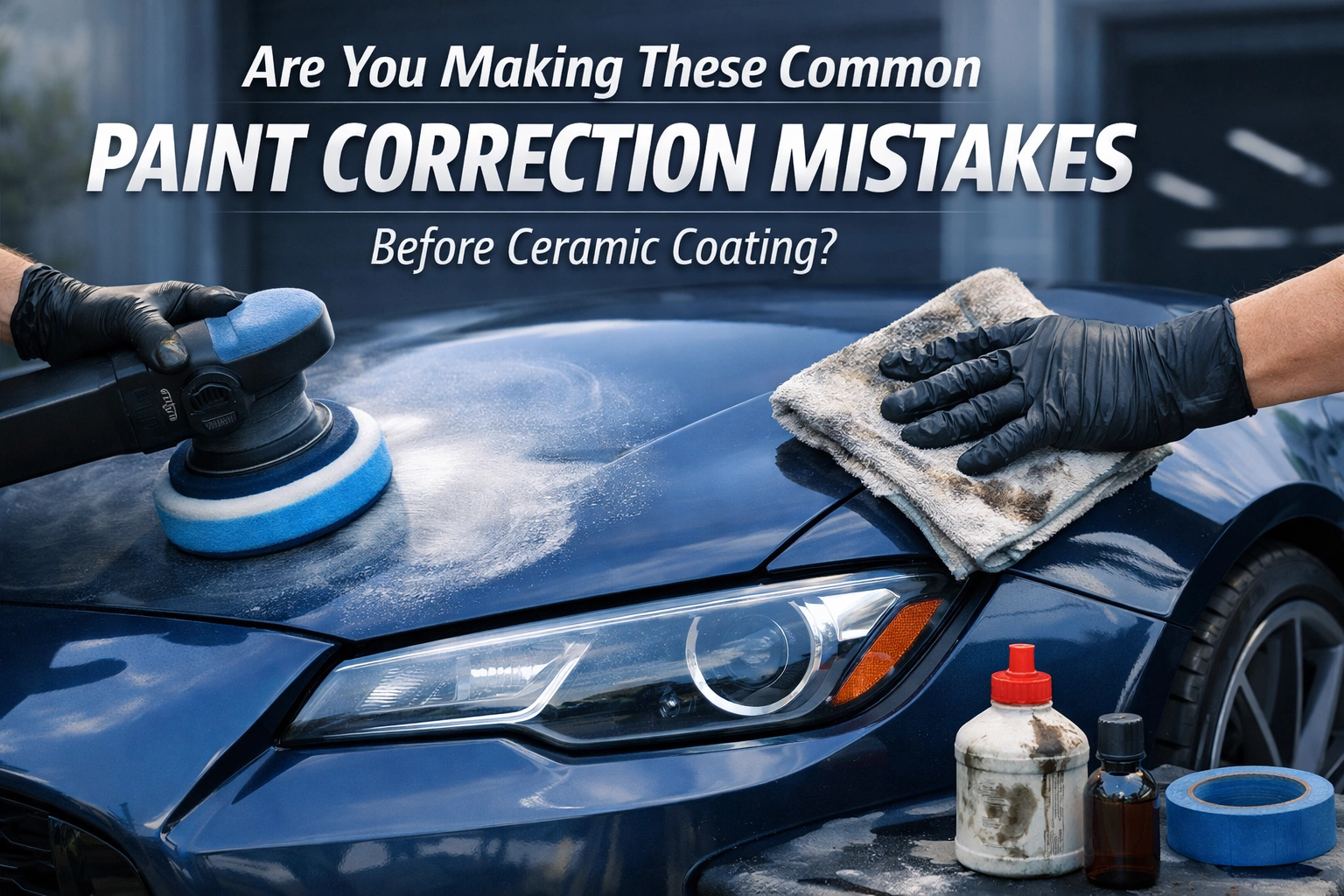
Absolutely. DIY paint correction attempts cause permanent damage when executed without proper equipment, lighting, or experience. The most common mistake involves using the wrong pad and compound combination for your paint's hardness. European paint requires different correction approaches than Japanese or American clear coats. Use too aggressive a compound with a cutting pad, and you'll burn through the clear coat entirely, creating a repair that requires panel repainting. Use too light a polish, and you waste hours without actually removing defects.
Lighting conditions during correction determine whether you can see what you're actually accomplishing. Working in our shop bay without high-intensity LED inspection lights means you're correcting blind. Swirl marks and holograms only become visible under proper lighting angles. You might think you've achieved a perfect finish, then drive into Houston sunlight and discover the paint looks worse than when you started. Professional correction bays use multiple light sources positioned at specific angles to reveal every surface imperfection during the polishing process.

Pad pressure, arm speed, and machine settings require trained technique. Too much pressure generates excessive heat that damages clear coat. Uneven passes create low spots and edge burns. Staying in one area too long thins the clear coat dangerously. These mistakes become permanent once ceramic coating locks them in. Professional paint correction in Houston requires state-of-the-art polishing equipment, proper workspace ventilation to manage compound residue, and meticulous attention to technique developed over years of daily practice.
What Happens When You Rush the Panel Prep?
Panel prep: the final cleaning step before ceramic coating application: determines whether your coating bonds properly or fails prematurely. After paint correction, polishing oils, compound residue, and skin oils from handling remain on the paint surface. These contaminants create an invisible barrier that prevents ceramic coating from achieving direct contact with clear coat. The result is coating that looks good initially but fails to develop full bond strength.
Within 2-3 weeks, improperly prepped panels show reduced water beading. The coating appears to separate or develop uneven spots where it never fully bonded. High-traffic areas like door handles and trunk edges fail first, exactly where you need protection most. The coating essentially sits on top of an oil layer rather than bonding to paint, compromising both durability and performance.
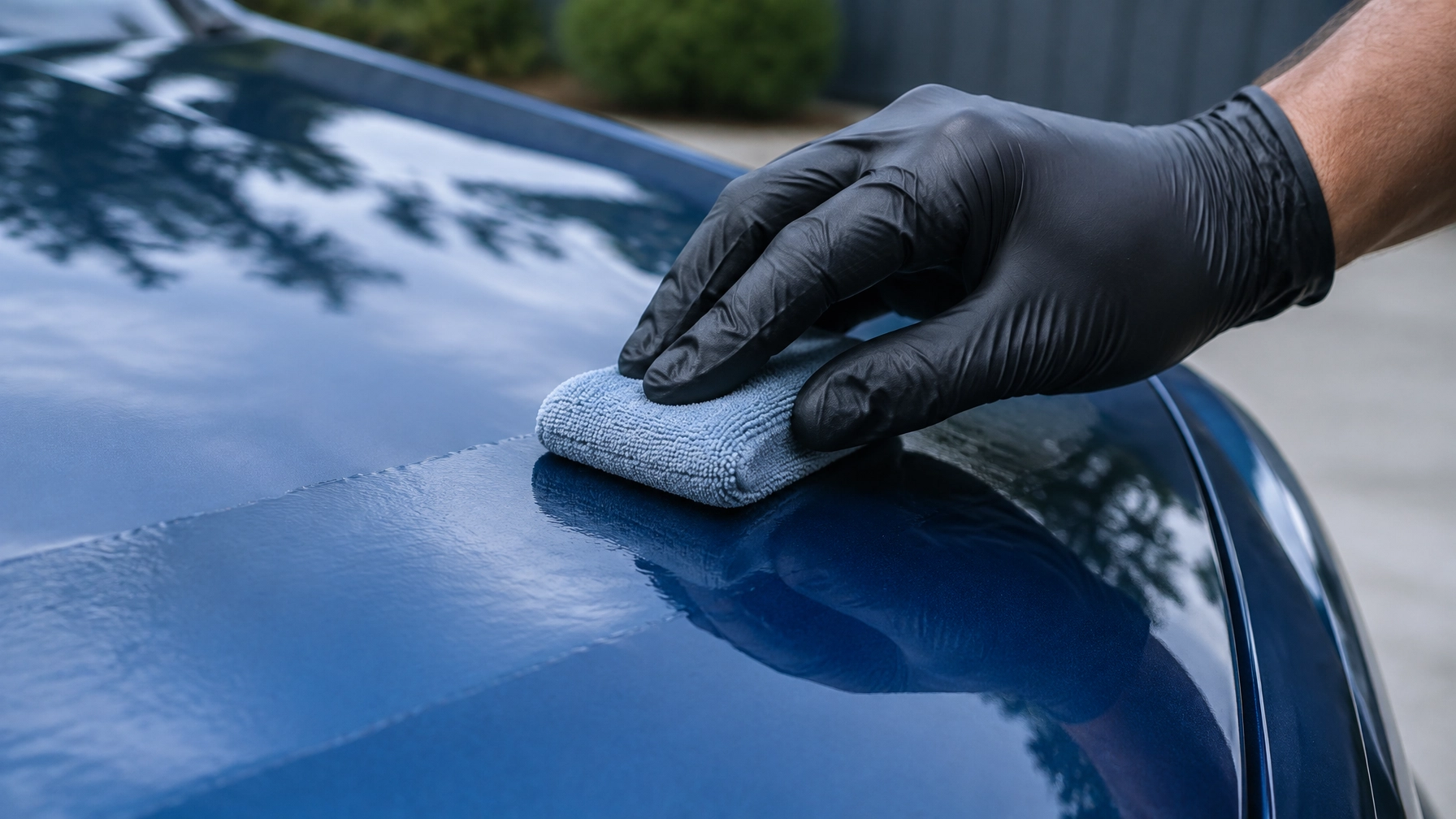
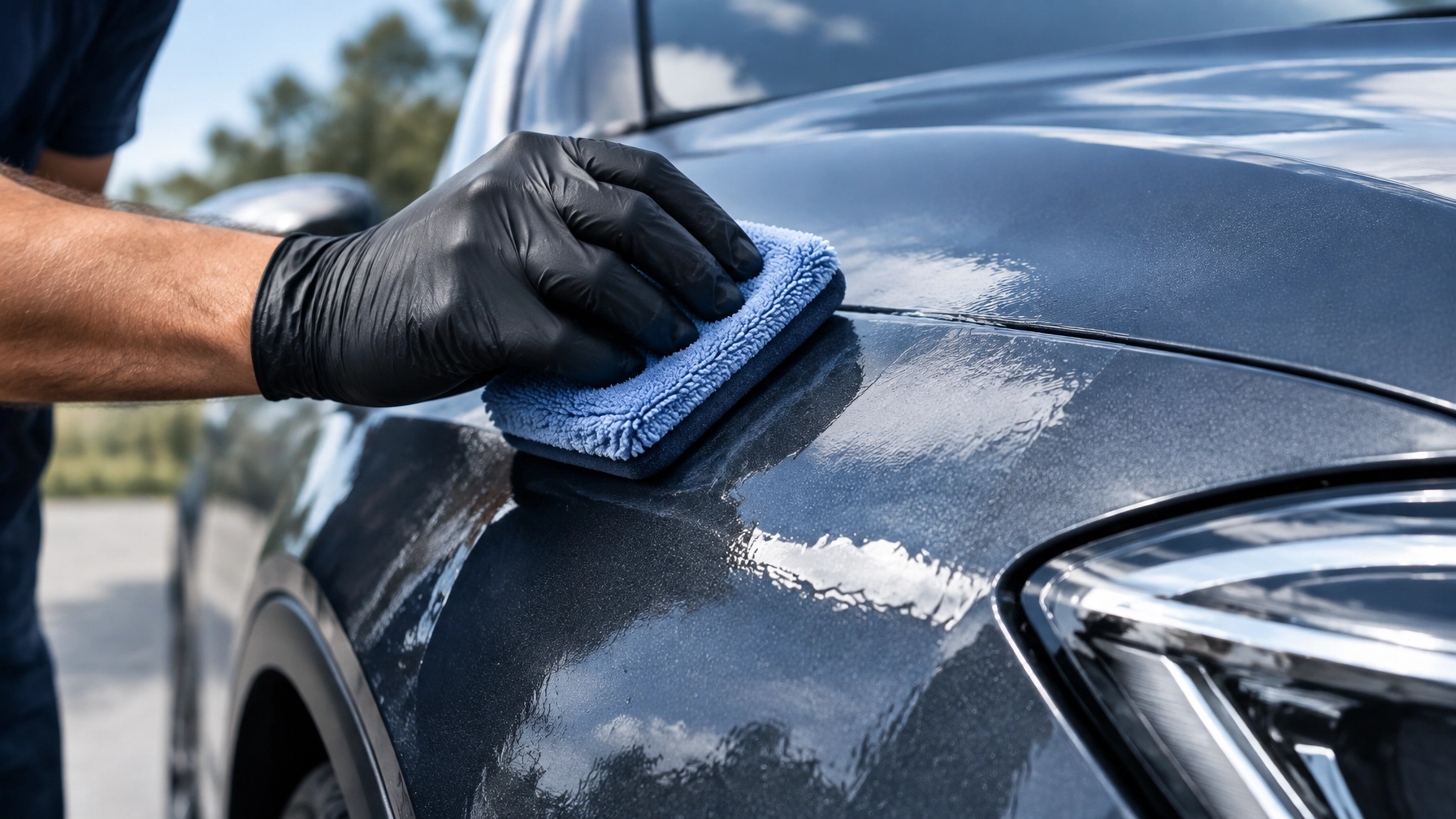
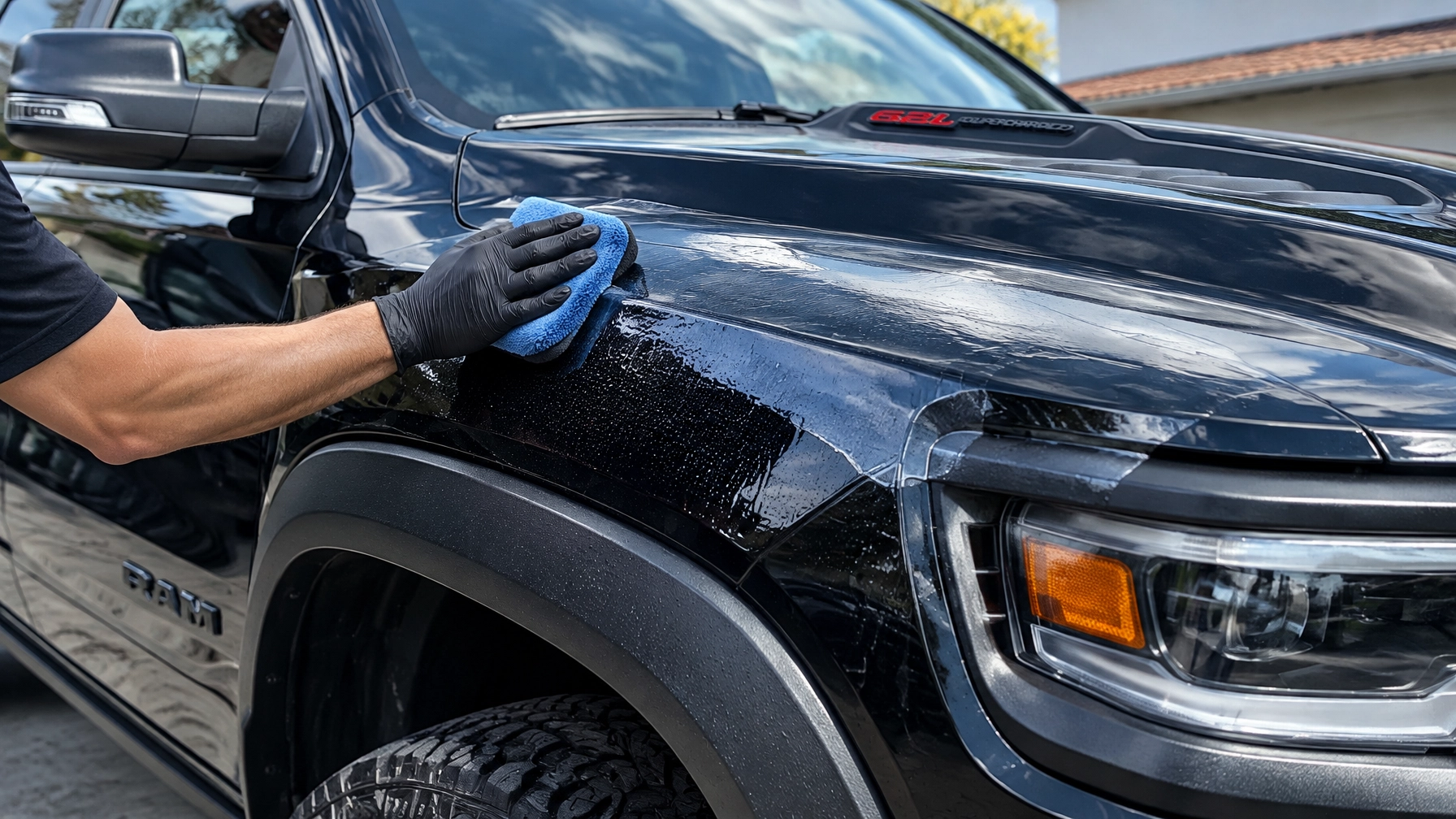
Proper panel prep requires wiping down every surface with isopropyl alcohol or dedicated panel prep solution immediately before coating application. This removes all residual oils and ensures clean molecular bonding. The process takes 10-15 minutes per vehicle but makes the difference between coating that lasts years versus months. Owner-operated shops working on one car at a time can execute this step without rushing to meet production quotas or stay on schedule for the next appointment.
How Does Ceramic Enthusiasts Avoid These Mistakes?
Experience matters when paint correction determines your coating's final appearance. Over 10 years of dedicated paint correction and ceramic coating work in Houston builds expertise that recognizes paint-specific correction requirements before starting work. Each vehicle receives individualized assessment: paint thickness readings, defect inspection under multiple lighting angles, and customized correction plans matched to your clear coat's condition and hardness.

State-of-the-art polishing equipment paired with premium compounds and pads delivers precise correction without thinning clear coat unnecessarily. High-intensity LED inspection lighting reveals defects throughout the correction process, ensuring complete removal before coating application. Climate-controlled workspace maintains optimal temperature and humidity for both correction and coating curing, eliminating environmental variables that compromise results.
The owner-operated, one-car-at-a-time approach means your vehicle receives unhurried attention throughout the entire process. There's no pressure to rush through decontamination or skip panel prep steps to make room for the next scheduled vehicle. Every phase gets completed properly, in sequence, with quality checks between stages. This meticulous process delivers paint correction results that maximize your ceramic coating's appearance and longevity.
Paint correction mistakes made before ceramic coating application become permanent, costly errors that undermine your investment in vehicle protection. Professional correction executed properly creates the flawless foundation that allows ceramic coating to perform as designed: delivering years of protection with the mirror-like finish Houston's climate demands. Schedule a consultation to discuss your vehicle's specific correction needs and determine the right approach for your paint's condition: 281-626-9384.