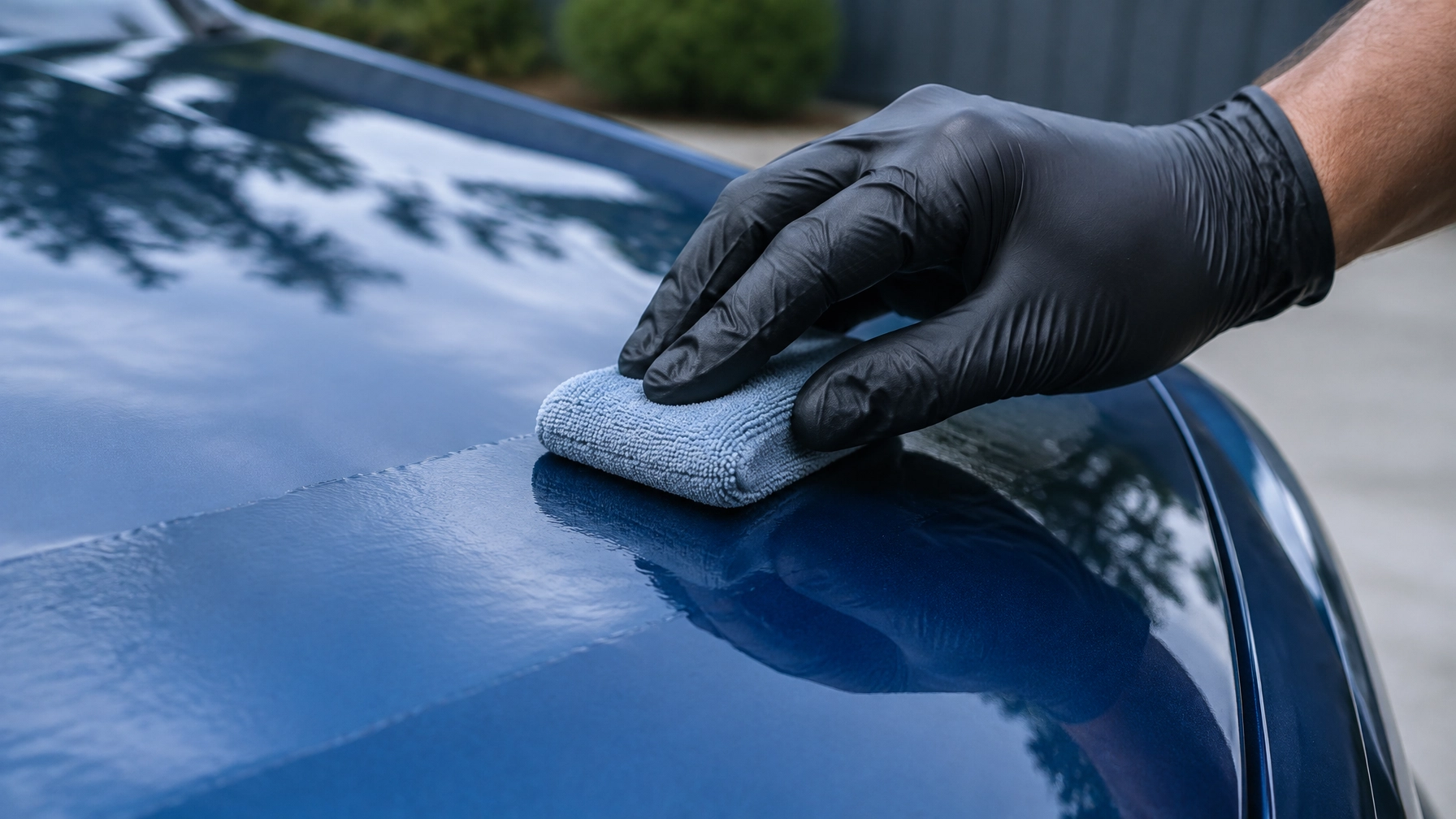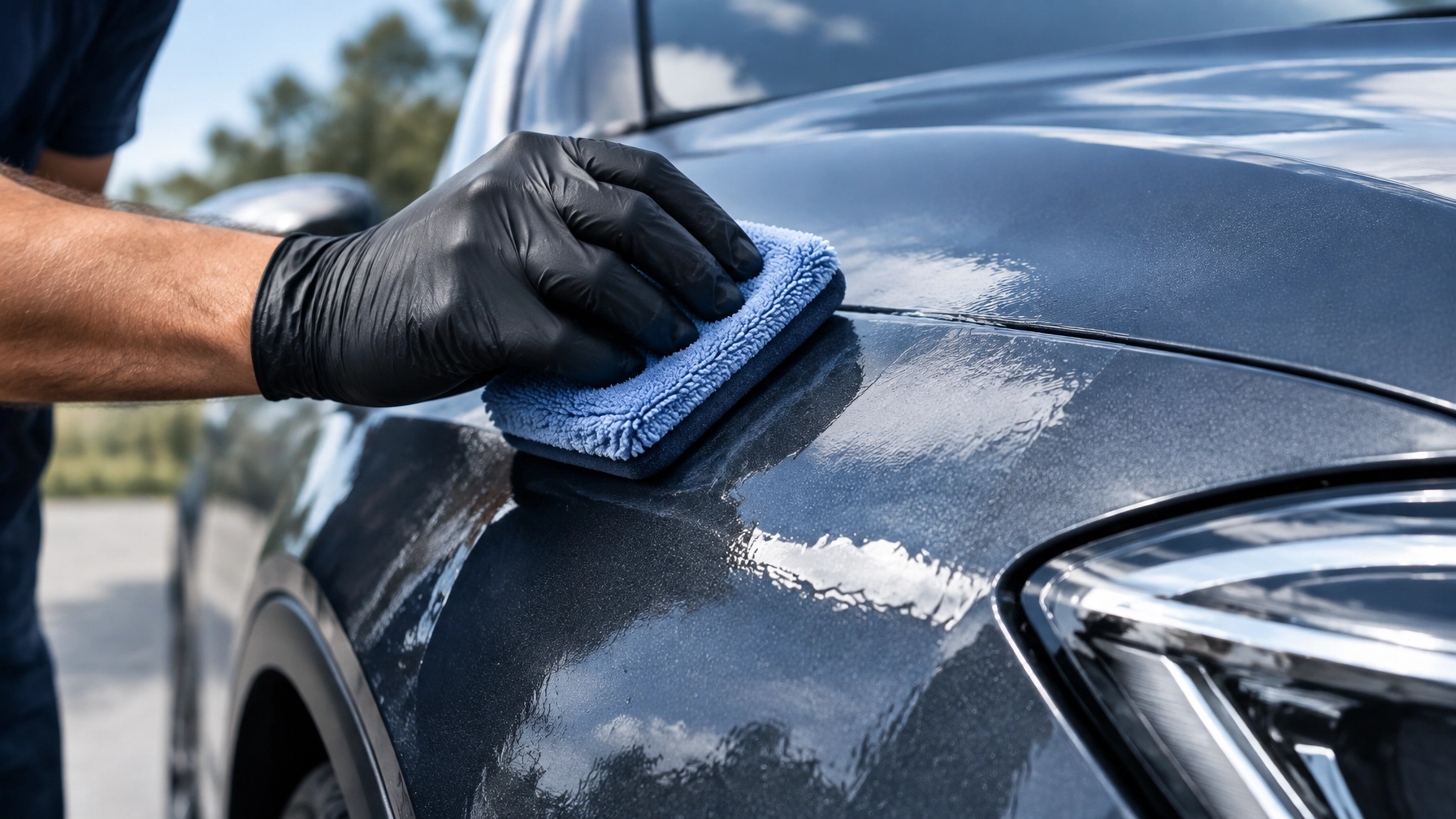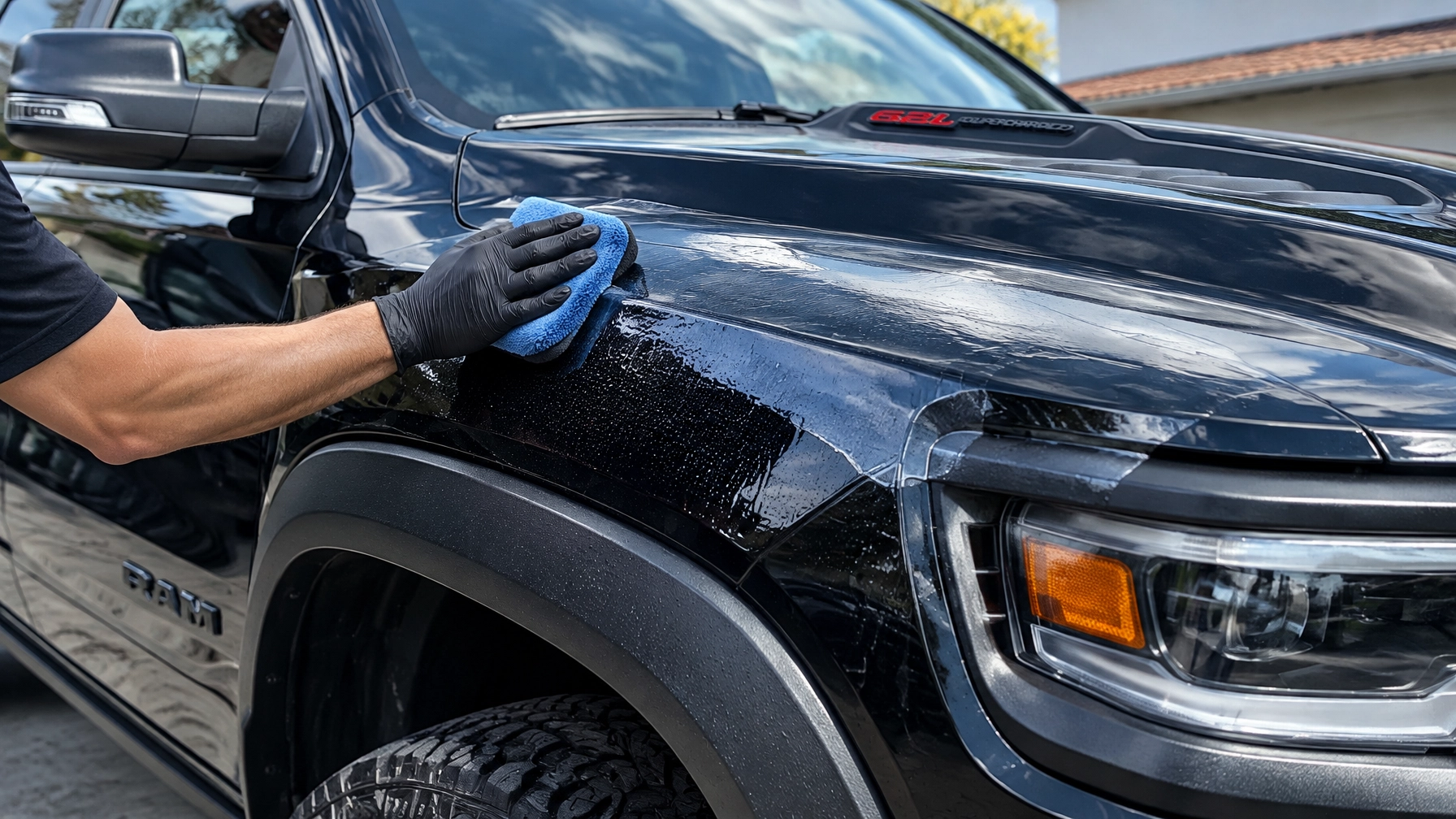
Houston's brutal summers, humidity that won't quit, and roads coated in everything from brake dust to industrial fallout make ceramic coating one of the smartest investments for your vehicle. But even the best ceramic coating houston professionals will tell you that most failures come down to seven preventable mistakes. Understanding what goes wrong: and how to avoid it: means the difference between protection that lasts years and a coating that fails in months.
Why Do So Many Houston Drivers Skip Proper Paint Correction?
The biggest mistake happens before the coating ever touches your paint. Skipping or rushing through paint correction creates a flawed foundation that undermines everything that follows.
Ceramic coatings bond at the molecular level to whatever surface you apply them to. If that surface has swirl marks, oxidation, water spots, or embedded contaminants, you're locking those imperfections under a semi-permanent layer. The coating magnifies existing problems rather than hiding them.

Houston's environment accelerates paint degradation. UV exposure at 95 degrees breaks down clear coat. Humidity traps moisture against panels. Industrial emissions from refineries and shipping corridors etch into paint. A proper paint correction process removes these layers of damage through decontamination, clay treatment, and multi-stage polishing.
The fix: Never apply ceramic coating to unprepared paint. A professional one-car-at-a-time approach ensures every panel receives meticulous attention. The surface must be completely sanitized, polished to remove defects, and brought to a mirror-like finish before coating application begins. This preparation determines how long does ceramic coating last on your specific vehicle.
What Happens When You Don't Let Your Vehicle Dry Completely?
Moisture trapped under ceramic coating creates immediate bonding failures and long-term performance issues that no amount of maintenance can fix.
Water droplets left on the surface prevent the coating from forming its chemical bond with the clear coat. The coating cures over moisture pockets instead of bonding to paint. These weak spots fail first when exposed to Houston's temperature swings and humidity cycles.
The fix: Professional applications account for Houston's humidity by controlling the environment during curing. The vehicle must be completely dry: not just towel-dried, but given adequate time for moisture to evaporate from panel gaps, trim pieces, and microscopic surface irregularities. This step can't be rushed, which is why quality applicators work on one vehicle at a time rather than running cars through assembly-line processes.
How Does Overapplication Ruin Ceramic Coating Performance?
More product doesn't mean more protection. Overapplication creates the exact opposite of what you want: uneven surfaces, visible high spots, and compromised hydrophobic properties.
Ceramic coatings are engineered to work in thin, uniform layers. The molecular structure creates its protective barrier through precise bonding, not through thickness. When you apply too much product, the excess doesn't bond properly. It sits on the surface, creating raised areas that catch light unevenly and feel rough to the touch.

Houston's heat accelerates curing times, making overapplication mistakes harder to correct. Once the coating begins to cure in thick patches, removing it requires aggressive polishing that defeats the purpose of coating in the first place.
The fix: Follow manufacturer specifications exactly. Professional applicators measure coverage, work in controlled sections, and level the coating immediately after application. The goal is uniform coverage so thin it's invisible while delivering maximum protection. This precision separates professional results from DIY attempts that create more problems than they solve.
Can Automatic Car Washes Damage Your Ceramic Coating?
Automatic car washes destroy ceramic coatings through abrasive contact that strips away the protective layer you paid to install.
Those spinning brushes: even the ones advertised as "soft touch": carry debris from every previous vehicle. They drag brake dust, road grit, and contaminated soap across your coating at high pressure. The mechanical action gradually wears down the ceramic layer, reducing its hydrophobic properties and shortening its lifespan from years to months.
The fix: Hand washing preserves your coating's integrity. A proper hand wash uses pH-neutral soap, soft microfiber media, and controlled pressure. Whether you wash it yourself or use professional in-shop paint protection performed at our Houston shop, serving drivers from Pearland, League City, and the surrounding area, the touchless approach protects your investment. Regular maintenance washing removes environmental buildup without compromising the coating's molecular structure.
Why Should You Never Layer Wax Over Ceramic Coating?
Adding wax or sealants on top of ceramic coating interferes with the very properties that make the coating effective: hydrophobic performance and self-cleaning action.
Ceramic coatings create protection through chemical bonding and surface tension modification. The coating's engineered surface repels water and prevents contaminants from adhering. When you layer wax on top, you're covering these properties with a substance that works through completely different mechanisms. The wax prevents the ceramic coating from performing as designed.

Houston's heat melts wax quickly, creating a sticky surface that attracts dirt rather than repelling it. You end up with the worst of both options: compromised ceramic performance and degraded wax protection.
The fix: Trust your ceramic coating to work alone. It doesn't need enhancement. The coating provides superior protection, longevity, and ease of maintenance compared to traditional wax. If you want to refresh the hydrophobic properties between annual maintenance appointments, use a ceramic coating-compatible spray sealant designed specifically to work with, not against, the base coating.
How Often Should You Actually Maintain a Ceramic Coated Vehicle?
Neglecting regular maintenance is the fastest way to reduce ceramic coating lifespan and lose the benefits that made the investment worthwhile.
Ceramic coating isn't a "apply and forget" solution. While it dramatically reduces how often you need to wash and how hard you need to work when you do, it still requires regular cleaning. Contaminants build up over time. Road film, pollen, bird droppings, and industrial fallout accumulate on any surface, coated or not. The difference is that coated vehicles release these contaminants easily: if you actually wash them.
The fix: Wash your coated vehicle every two weeks during Houston's summer months and monthly during milder weather. This schedule prevents buildup that bonds to the coating's surface over time. Regular washing takes minutes instead of hours and preserves the mirror-like finish and water-beading performance. Professional quarterly maintenance inspections catch small issues before they become coating failures.
Do Ceramic Coatings Actually Prevent All Scratches and Damage?
Believing ceramic coating makes your vehicle invincible leads to careless handling that causes the exact damage the coating helps prevent.
Ceramic coatings provide exceptional scratch resistance against minor contact, swirl marks from improper washing, and fine scratches from road debris. They significantly reduce damage from normal driving conditions. But they're not force fields. A shopping cart impact, key scratch, or rock chip from freeway driving still damages the coating and underlying paint.
The coating's hardness: measured at 9H on the pencil hardness scale: resists light abrasion better than clear coat alone. It stands up to Houston's daily punishment from stop-and-go traffic on I-45, debris kicked up on the Grand Parkway, and the relentless UV exposure that degrades unprotected paint. But physics still applies.
The fix: Understand what ceramic coating actually delivers. It adds a sacrificial layer of protection that absorbs damage your paint would otherwise sustain. It prevents oxidation, chemical etching, and UV degradation. It makes cleaning safer by reducing the mechanical action needed to remove dirt. But it doesn't eliminate the need for careful vehicle handling, proper parking choices, and awareness of potential impact hazards. Think of it as premium protection, not invincibility.
What Makes Professional Application Different in Houston's Climate?
Houston's extreme heat and humidity create application challenges that separate professional results from failed DIY attempts.
Surface temperature affects curing time, product viscosity, and bonding quality. Apply ceramic coating when panels are too hot and it flashes before you can level it. Work in direct sunlight and you're fighting evaporation that creates high spots. Houston's ambient humidity slows curing in some products while accelerating it in others.
Professional applicators control these variables through climate-controlled facilities, infrared curing technology, and timing applications around Houston's weather patterns. The automotive ceramic coating process requires precision that accounts for local environmental factors: something impossible to achieve at a shop bay during July.
The one-car-at-a-time approach ensures each vehicle receives the time needed for proper surface preparation, controlled application, and complete curing before environmental exposure. This meticulous attention to process and timing delivers coatings that protect Houston vehicles through years of weather cycles, not just months.
Ready to protect your vehicle the right way? Professional ceramic coating application eliminates these common mistakes and delivers protection engineered for Houston's demanding conditions. Whether you're in Pearland, League City, or anywhere in the greater Houston area, connect at 281-626-9384 to schedule a consultation and discover how proper coating application transforms vehicle protection.